


Ebikes have significantly altered the urban transportation landscape, offering an eco-friendly, efficient, and cost-effective alternative to traditional commuting. Their surge in popularity has led to a mix of support and restrictions across the United States. While some states and cities are encouraging ebike adoption through incentives, others are imposing stricter regulations due to safety concerns and infrastructure challenges. While the overall trend in urban planning is to make cycling easier, many local governments are feeling heat from constituents to adopt stronger regulations on ebike riders.
Here’s a closer look at how new laws are shaping the future of ebiking in the U.S.
The Federal and State Ebike Law Divide
At the federal level, ebikes fall under a straightforward classification: a bicycle equipped with operable pedals and an electric motor of less than 750 watts. The Consumer Product Safety Commission (CPSC) recognizes three main classes:
- Class 1: Pedal-assist only, with no throttle, and a max speed of 20 mph.
- Class 2: Throttle-assisted, maxing out at 20 mph.
- Class 3: Pedal-assist up to 28 mph, typically banned from bike paths.
However, while the federal definition applies to manufacturing and sales, actual riding laws are dictated at the state and local levels, leading to a confusing patchwork of regulations.
Some cities embrace ebikes as a sustainable alternative to cars, while others see them as a safety risk. The result? Ebike riders in different states—and even different cities—face dramatically different rules.
Cities Cracking Down on Ebikes
New York City’s Proposed Ebike Registration Plan
New York City has long been a battleground for ebike legislation, particularly when it comes to delivery riders. While ebikes were officially legalized in 2020, ongoing concerns about reckless riding, sidewalk congestion, and accidents have kept them in the spotlight.
Recently, former governor Andrew Cuomo proposed a new law that would require ebikes and e-scooters to be registered with city-issued plates. The goal is to create accountability, particularly for delivery riders operating on tight deadlines. Additionally, the proposal seeks to hold food delivery apps, like Uber Eats and Doordash, responsible for riders who violate traffic laws, rather than just fining the individuals.
Laguna Niguel’s Stricter Ebike Rules
In February 2024, Laguna Niguel became the latest Orange County city to impose tighter ebike regulations, following similar regulations in neighboring San Clemente. The City Council voted unanimously to strengthen existing rules, giving law enforcement greater authority to address unsafe riding. The changes—fully adopted in June of 2024—prohibit ebike riders from using cell phones while riding, riding on sidewalks, swerving into oncoming traffic lanes and riding around stopped or slowing traffic. Officials emphasized that the city is shifting from an educational approach to active enforcement.
Denver’s Response to Rising Ebike Accidents
Denver has seen a sharp rise in accidents involving ebikes and e-scooters. Emergency room visits due to scooter-related crashes have increased 43.5% from 2021 to 2024. In response, city officials are considering:
- Smart sidewalk technology to detect and limit ebike usage on pedestrian pathways.
- Mandatory docking zones to reduce clutter.
- Stricter enforcement of ID and sobriety requirements for rental ebikes and scooters.
The goal is to improve safety, but some riders worry these new rules could make ebikes less accessible for daily commuting.
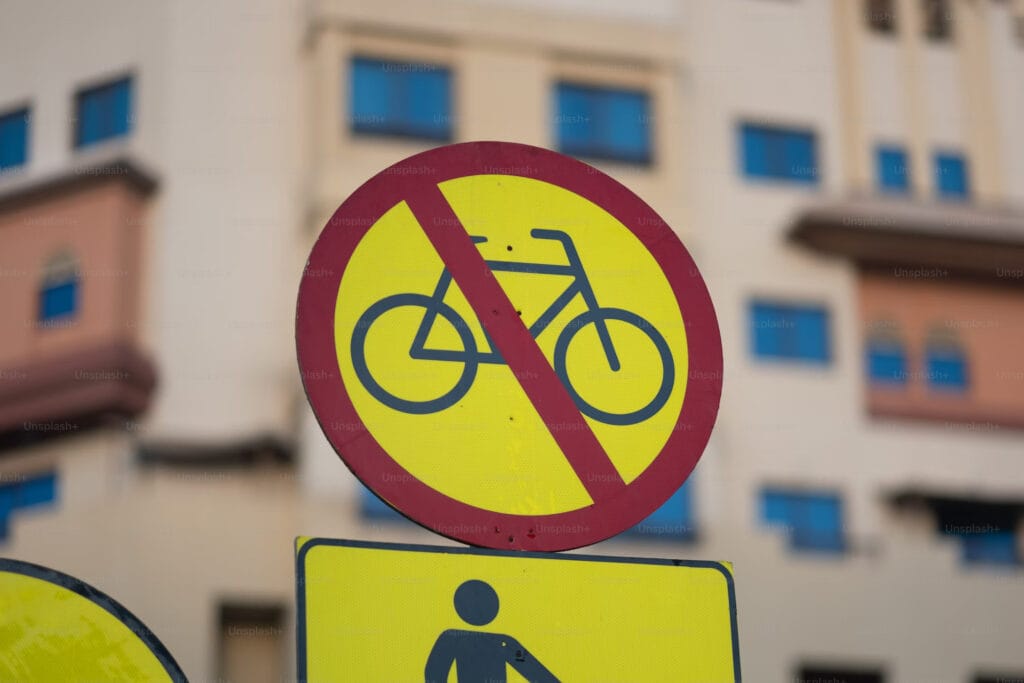
States Introducing New Ebike Restrictions
Beyond city-level changes, some states are rolling out stricter regulations that could complicate ebike ownership.
Registration and Licensing Requirements
- Mandatory Registration: New Hampshire, New Jersey, and New York are considering laws that would require ebikes to be registered similarly to motor vehicles.
- Driver’s License Requirement: Alaska, Massachusetts, and Wisconsin still mandate that ebike riders (mostly Class 3 ebikes) hold a valid driver’s or operator’s license, limiting access for teenagers, non-drivers, and certain low-income individuals.
Age Restrictions
- State-Level Rules: Oregon and Florida have introduced bills to restrict ebike use by age, with Oregon successfully passing the law.
- San Diego’s Local Regulations: San Diego has implemented new age restrictions based on ebike classification, aiming to reduce accidents involving minors and promote responsible riding.
Encouraging Ebike Adoption: Incentives and Infrastructure Investments
While some states and cities are cracking down on ebike use, others are introducing incentives to make ebikes more accessible and encourage their adoption.
Federal Ebike Tax Credit
The Electric Bicycle Incentive Kickstart for the Environment (E-BIKE) Act has been reintroduced to offer a 30% tax credit (up to $1,500) on ebike purchases. Individuals can claim the credit once every three years, and joint filers are eligible for two credits. This initiative aims to make ebikes more affordable as a sustainable transportation option.
Washington State’s E-Bike Rebate Program
Washington launched the WE-Bike Program in April 2025, offering point-of-sale rebates of up to $1,200 for ebike purchases. Residents earning below 80% of their county’s median income will receive additional incentives, and ebike lending libraries are being developed to allow residents to test ebikes before purchasing.
Boston’s Ebike Voucher Program
Boston has introduced a voucher program to help residents purchase standard, cargo, or adaptive ebikes. Applicants are selected randomly and receive discounts redeemable at participating retailers, aiming to promote sustainable transportation options.
New York City’s Citi Bike Expansion
New York City’s Citi Bike program is expanding into Queens, The Bronx, and Brooklyn, increasing bike access for approximately 900,000 more residents by 2025. This move reflects the city’s commitment to enhancing cycling infrastructure and reducing car dependency.

What This Means for Ebike Riders
As these laws continue to evolve, ebike riders across the country face an increasingly complex legal landscape. Here’s what these restrictions could mean:
- Higher Costs – Registration fees, licensing requirements, and potential insurance mandates could make ebike ownership more expensive.
- Limited Accessibility – Age restrictions and driver’s license requirements could prevent younger riders and non-drivers from using ebikes.
- Safer Roads? – While restrictions may reduce reckless riding, they could also discourage ebike use altogether, pushing more people back into cars.
At the same time, some states are embracing ebikes as a sustainable alternative to gas-powered transportation. Rebate programs like Washington’s could set a precedent for other states looking to make ebikes more accessible rather than restricting them.
The Future of Ebike Legislation
As ebikes become a bigger part of daily life, cities and states will continue to refine their approach to regulation. The key challenge will be striking a balance between safety and accessibility.
Some policies, like rebate programs, could encourage ebike adoption while promoting safer infrastructure. Others, like registration and licensing requirements, might push riders away from ebikes altogether.
One thing is certain—ebike laws are evolving fast, and riders will need to stay informed to navigate the ever-changing landscape of regulations.
Do you think these new restrictions are fair? Or are they going too far? Let us know in the comments!