

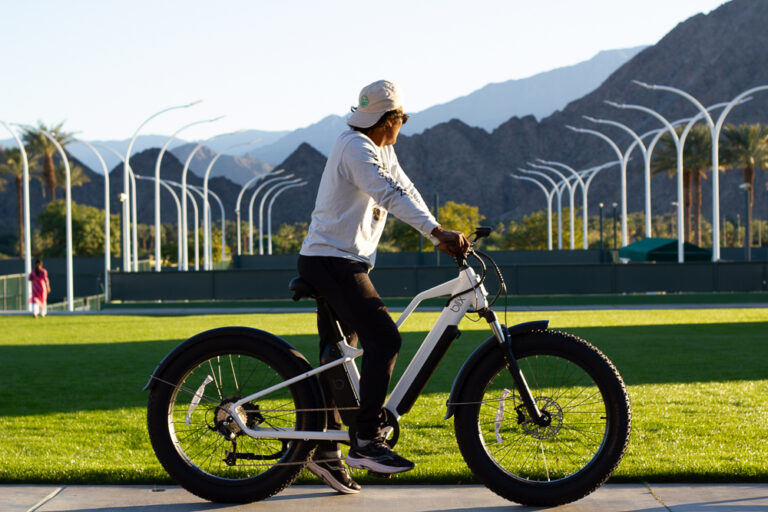
Electric bikes often force buyers to choose between three things: good looks, ease of use, or an affordable price. Many brands excel at one or two, but fall short on the third. Blix has built its reputation around the idea that everyday riders shouldn’t have to compromise quite so much.
Across its lineup—from the Sol X cruiser, to the Packa Genie cargo ebike, to the Vika X folding ebike—Blix focuses on clean design, practical commuter features, and pricing that stays within reach of regular riders rather than hobbyists or performance enthusiasts.
But how well does that balance actually hold up once you look beyond the surface? Are Blix ebikes priced where they are because of thoughtful design choices, or because of compromises hidden under the frame? And where, exactly, does Blix draw the line between simplicity and performance?.
Let’s take a closer look at what you’re really paying for.
Blix Bike’s Brand Philosophy: Everyday Riders First
Blix doesn’t design ebikes for racing, trail riding, or spec-sheet dominance. Instead, the company builds bikes meant to solve real transportation problems—commuting to work, running errands, carrying kids or groceries, and fitting into smaller living spaces.
That philosophy shows clearly across the lineup:
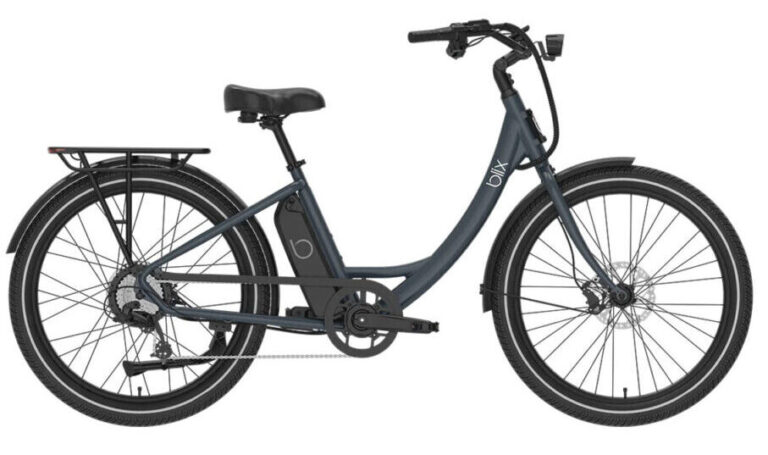
- Blix Sol X targets comfort-focused commuters and casual city riders with a 750 W rear hub motor and 70 Nm of torque, paired with a 614 Wh battery that offers up to ~70 miles per charge.
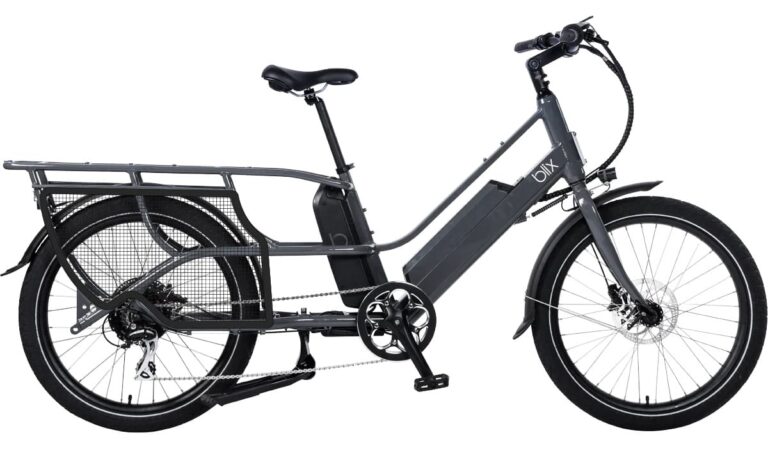
- Blix Packa Genie is built for utility; its 750 W rear hub motor, large 672 Wh battery(s) (upgradable to dual batteries), and robust low-step frame make it a capable cargo and family hauler.
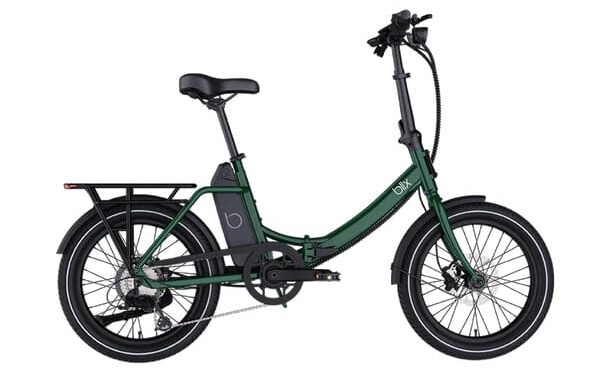
- Blix Vika X caters to apartment dwellers, RV travelers, and riders who need portability without sacrificing ride quality. It features a 500 W motor with 55 Nm torque, hydraulic disc brakes, and a 614 Wh battery with up to ~70 miles of range.
Rather than chasing extremes, Blix prioritizes bikes that feel approachable, unintimidating, and easy to integrate into daily life. For many riders—especially first-time ebike buyers—that approach is more valuable than raw performance numbers.
Blix Ebike Lineup Comparison: Key Specs at a Glance
Feature | Blix Sol X | Blix Packa Genie | Blix Vika X |
Category | Cruiser / City Commuter | Cargo / Utility | Folding Commuter |
Motor | 750W rear hub | 750W rear hub | 500W rear hub |
Torque | 70 Nm | 90 Nm | 55 Nm |
Battery | 614 Wh (48V) | 672 Wh standard (dual-battery optional) | 614 Wh (48V) |
Estimated Range | Up to ~70 miles | Up to ~80 miles (dual battery) | Up to ~70 miles |
Pedal Assist | Torque sensor | Cadence sensor | Torque sensor + Auto mode |
Throttle | Yes (Class 2 / Class 3 assist) | Yes (Class 2) | Yes (Class 2 / Class 3 assist) |
Top Assist Speed | Up to ~28 mph (PAS) | ~20 mph | Up to ~28 mph (PAS) |
Brakes | Hydraulic disc | Hydraulic disc | Hydraulic disc |
Drivetrain | Shimano 8-speed | Shimano 7-speed | Shimano 8-speed |
Tires | 26” x 2.4” | 24” x 2.4” | 20” x 2.4” |
Frame Style | Step-through cruiser | Low-step cargo frame | Folding frame |
Payload Capacity | ~400 lbs | ~400 lbs (rack-dependent) | ~312 lbs |
Best For | Comfort-first city riders | Families & heavy hauling | Apartments, transit, storage-limited riders |
Style That Feels Intentional, Not Trendy
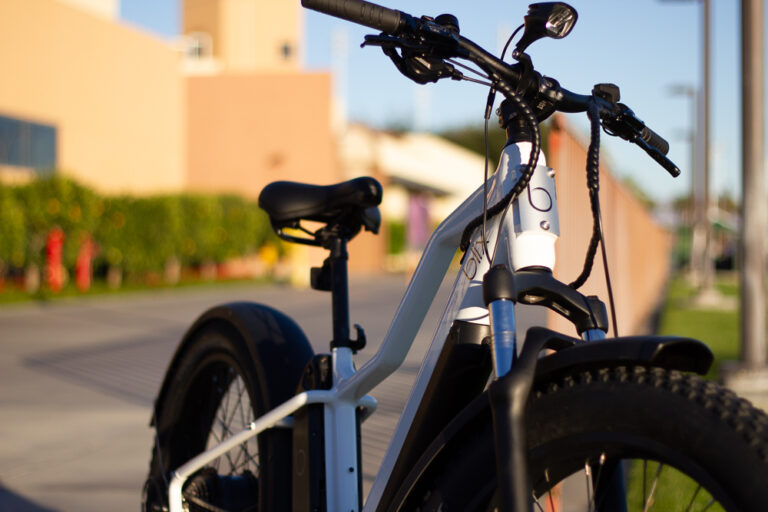
Blix ebikes stand out by not trying too hard to stand out. The brand avoids flashy graphics, oversized batteries, and aggressive styling in favor of designs that feel timeless and purposeful.
- The Sol X blends classic cruiser proportions with modern commuter touches like integrated lighting, a comfortable saddle, and a tidy frame that hides cables and battery packs in a clean silhouette.
- The Packa Genie, despite being a cargo bike, avoids the bulky, industrial look common in the category. Its balanced stance and smoother lines make it feel more approachable, even for riders new to cargo ebikes.
- The Vika X keeps its folding design compact and tidy, with proportions that look intentional rather than awkward or overengineered — and the included integrated lights and color TFT display reinforce a sense of thoughtful design.
This restrained design language gives Blix bikes broad appeal. They look at home locked up outside a café, rolling through a neighborhood, or parked inside an apartment—without screaming “high-tech gadget.”
For many buyers, that subtlety is a selling point rather than a drawback.
Simplicity as a Core Design Choice
Blix consistently prioritizes ease of use over complexity, and that choice shows up across nearly every model.
Shared design elements include:
- Upright, comfortable riding positions
- Step-through frames where appropriate
- Integrated lights and commuter-ready accessories
- Intuitive displays and straightforward controls
- Smooth pedal assist designed for predictability rather than aggression
On the Sol X, that simplicity translates into relaxed city riding and minimal learning curve. Riders can hop on, adjust assist levels, and ride comfortably without fiddling with complex settings.
On the Packa Genie, simplicity shows up in predictable handling—even when fully loaded. Cargo bikes can feel intimidating, but Blix prioritizes stability and balance over speed or extreme torque.
On the Vika X, it appears in the folding mechanism and overall portability. The bike folds without unnecessary gimmicks, and the ride quality doesn’t feel like a major compromise once unfolded.
The tradeoff is clear: riders looking for advanced customization, multiple ride profiles, or performance-oriented tuning may find Blix a bit conservative. But for riders who want an ebike that “just works,” that restraint is often a benefit.
Price Positioning: The Middle Ground Blix Aims For
Blix occupies a deliberate middle tier in the ebike market—above entry-level budget bikes, but well below premium bike-shop brands.
- The Vika X costs more than many mass-market folding ebikes, but offers noticeably better integration, smoother ride feel, a hydraulic braking system, and a wide-range 8-speed drivetrain that make it easier to live with day in and out.
- The Sol X lands in a competitive commuter price range, offering hydraulic brakes, torque sensor pedal assist, and a 750 W motor, features often missing on cheaper cruisers.
- The Packa Genie undercuts many premium cargo ebikes by thousands of dollars while still delivering real hauling capability and thoughtful design; it comes with Shimano 7-speed gearing, hydraulic disc brakes, integrated LED lighting, and optional dual battery configurations for up to ~80 miles of real-world range.
Blix’s direct-to-consumer sales model plays a major role here. By selling online, Blix avoids dealer markups, allowing it to invest more in frame design, batteries, and accessories at a given price point.
That said, DTC pricing always comes with tradeoffs.
What You’re Paying For (and What You’re Not)
Here’s a clear breakdown of what you’re actually getting when you buy a Blix bike — and what you might be giving up compared to premium brands:
Strengths
- Clean, cohesive design across models that feels intentional and commuter-friendly
- Integrated features (lights, safety systems, racks) included as standard
- Comfortable, accessible geometry for everyday riders
- Fair pricing for mid-tier components and build quality
Tradeoffs
- Fewer high-end component options (e.g., lightweight mid-drive systems)
- Limited in-store service compared to bike-shop brands with dealer networks
- Less emphasis on performance tuning or customization
- Greater reliance on DIY setup or remote support
Blix is transparent about where it positions itself — and the pricing reflects that honesty. Rather than being a “budget” or “premium” brand, it sits comfortably in the performance-for-value category.

Ownership Experience: Consistent with DTC Brands
Across reviews and rider feedback, Blix ownership experiences are generally positive, but not without caveats.
Riders frequently praise:
- The comfort and approachability of the Sol X for everyday city rides
- The versatility and stability of the Packa Genie when hauling cargo or kids
- The convenience and portability of the Vika X folding system
- Strong range that meets real-world city riding needs, around ~60–80 miles depending on battery setup and assist use
Common frustrations tend to mirror those seen across the direct-to-consumer ebike space:
- Slower customer support response times during peak periods
- Occasional parts shipping delays
- Some assembly experiences that depend on rider comfort with basic bike setup
For many buyers, the value equation still works — especially if they’re comfortable doing minor adjustments or maintenance themselves. Riders expecting white-glove service may feel the limitations more acutely.
Who Blix Is Best For
Blix Makes Sense If You:
- Want a stylish, practical ebike for everyday use
- Value comfort, stability, and simplicity over aggressive performance
- Are choosing between a cruiser (Sol X), cargo bike (Packa Genie), or folding ebike (Vika X)
- Want better quality and design than entry-level ebikes without paying premium brand prices
Blix May Not Be Ideal If You:
- Want maximum power or sport-oriented handling
- Expect full-service local bike shop support
- Plan on frequent component upgrades or tuning
- Prefer spec-driven performance over ride feel
Understanding where Blix fits in the market makes it much easier to decide whether the pricing feels fair—or limiting.
Final Thoughts: A Thoughtful, Focused Lineup
Blix’s strength isn’t about one standout model—it’s about consistency across the lineup. Whether you’re riding the Sol X through city streets, loading up the Packa Genie for family errands, or folding away the Vika X in a small apartment, the experience feels intentionally designed around real-world use.
Blix doesn’t chase extremes. Instead, it delivers ebikes that look good, ride comfortably, and remain reasonably priced—without overpromising performance they don’t intend to deliver.
For commuters, families, and urban riders who value practicality over prestige, Blix’s pricing makes sense. You’re not paying for a badge or bleeding-edge tech—you’re paying for thoughtful design choices that prioritize daily usability, and for many riders, that’s exactly the point.