

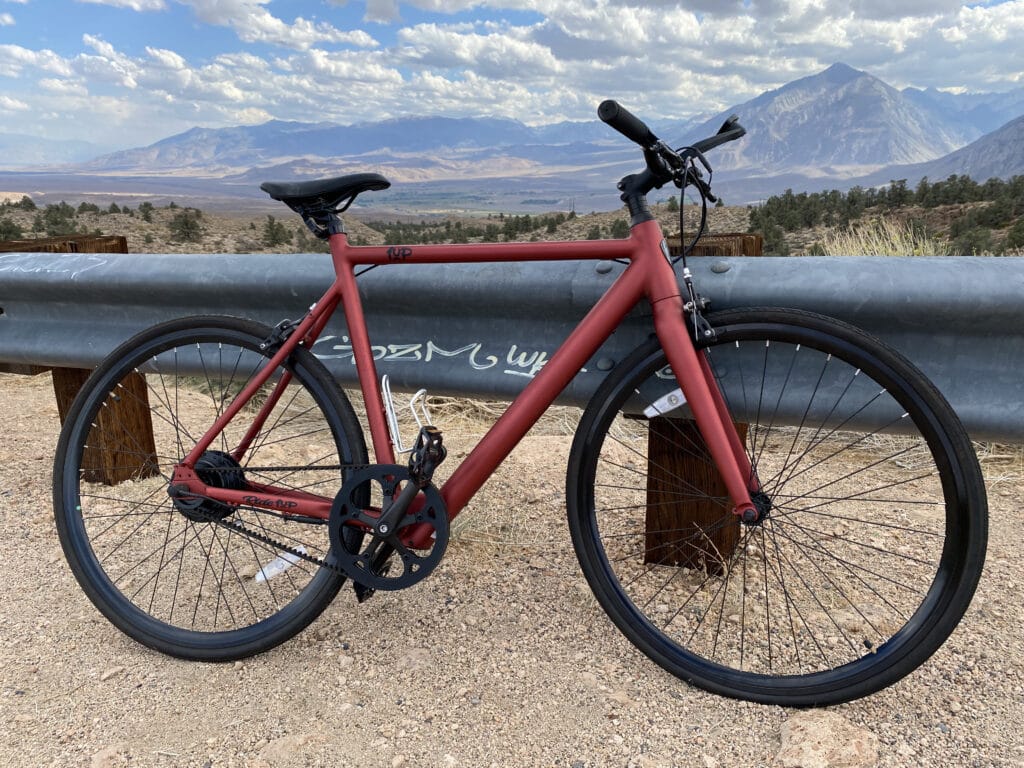
There’s no denying it, electric bikes are almost everywhere you see cyclists now. They’re super fun, easy to ride and as a result, many families are taking up cycling again, while their conventional bikes are rusting away, taking up space in the garage. Electric bikes are making cycling more fun and more accessible but man are they expensive! A brand new ebike from a reputable manufacturer can run you anywhere from $1,000 to upwards of $2,800 at the low end. At the high end, you’re talking $4,000 or even $12,000 for a top-of-the-line, high-performance model!
While nothing beats the first time you roll out of your driveway atop a shiny new ebike, we realize that those lofty prices are out of reach for a lot of consumers. You could be tempted to cheap out and buy a budget ebike from a no name brand on Amazon but those bikes come with risks and very limited warranties. Compromises like safety and durability is usually the tradeoff for buying a low end ebike. In the end, it’s probably better to spend that money on a high-quality used electric bike, (if you have the means). Exploring the benefits of buying a used electric bike can bring significant advantages, making it a practical and savvy choice for many riders.
Why Buy a Used Electric Bike?
Affordability: The main reason to purchase a used electric bike is affordability. Used electric bikes present an opportunity to own a higher-quality model at a significantly lower cost. Compared to new bikes, used ones offer substantial savings without compromising on performance or features- as long as you are careful to buy an ebike that has been well maintained.
Buying a used electric bike that’s at the higher end of the spectrum may still run you $500-$1300 but when you compare that to the cost of a brand new, recently released model, like the Aventon Level 3, you can realistically save over a thousand dollars if you know what to buy. Quality brands with name recognition have fine-tuned the research and development of their bike models. They’ve invested heavily in manufacturing plants and quality assurance processes. They use higher quality paint, often offering more choices to their customers.
The obvious takeaway here is that the more expensive an ebike the more aesthetically pleasing it’s going to be. If you want a cool ebike, you have to pay a little bit more but if it’s a used ebike, you are going to be paying 20-50% less than if you bought it brand new.
Durability: High-quality electric bikes are more built to last than junk brand bikes, boasting superior components that contribute to their longevity. This durability translates to reduced maintenance costs and a longer lifespan for your bike.
Reputable brands like Aventon, Rad Power Bikes, Lectric Bikes, and others are known for their exceptional performance and reliability. By opting for a used model from such brands, you gain access to advanced features and a trusted track record of performance.
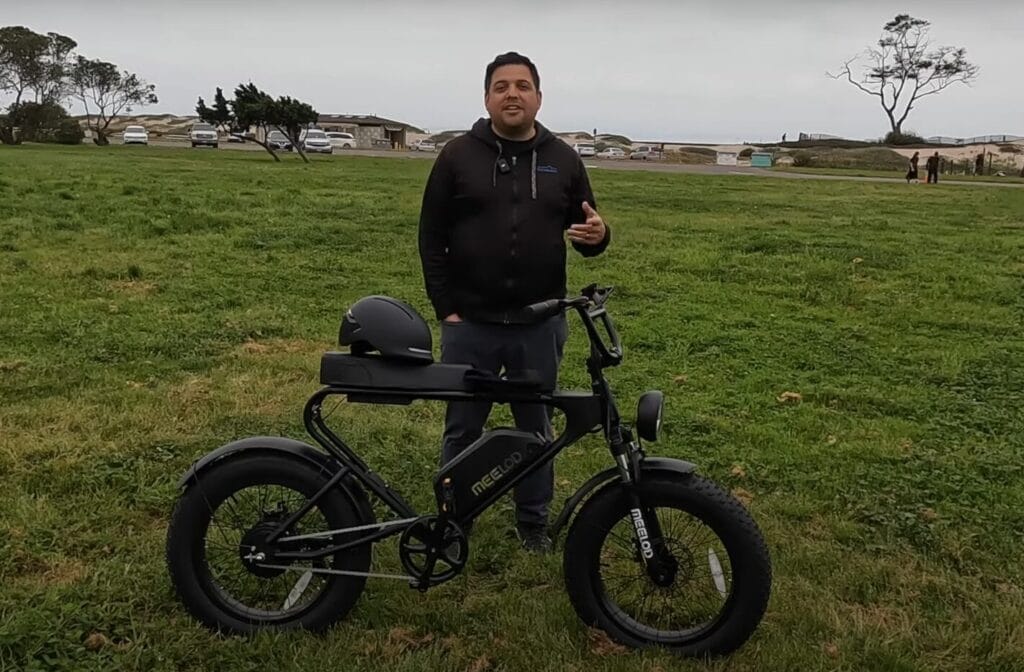
Are Used Electric Bikes Safe?
Maintenance and Condition: Safety is paramount when it comes to electric bikes. Well-maintained used ebikes are generally safe to ride, provided they have been properly cared for and serviced regularly.
Safety Features: High-quality electric bikes come equipped with advanced safety features that enhance your riding experience and ensure a secure journey. Some of the features you get with better ebikes, like hydraulic disc brakes, rear brake lights, and bright and visible front lights, for example, are necessary when riding at night.
Reputable Brands: Opting for a used electric bike from a reputable brand with a proven safety record adds an extra layer of confidence. These brands prioritize safety in their designs and manufacturing processes. Many top-of-the-line cargo ebikes for example, invest considerable resources in making their bikes safe for small children riding in the rear cargo area. A great example of this is the Aventon Abound or the Radio Flyer Via.
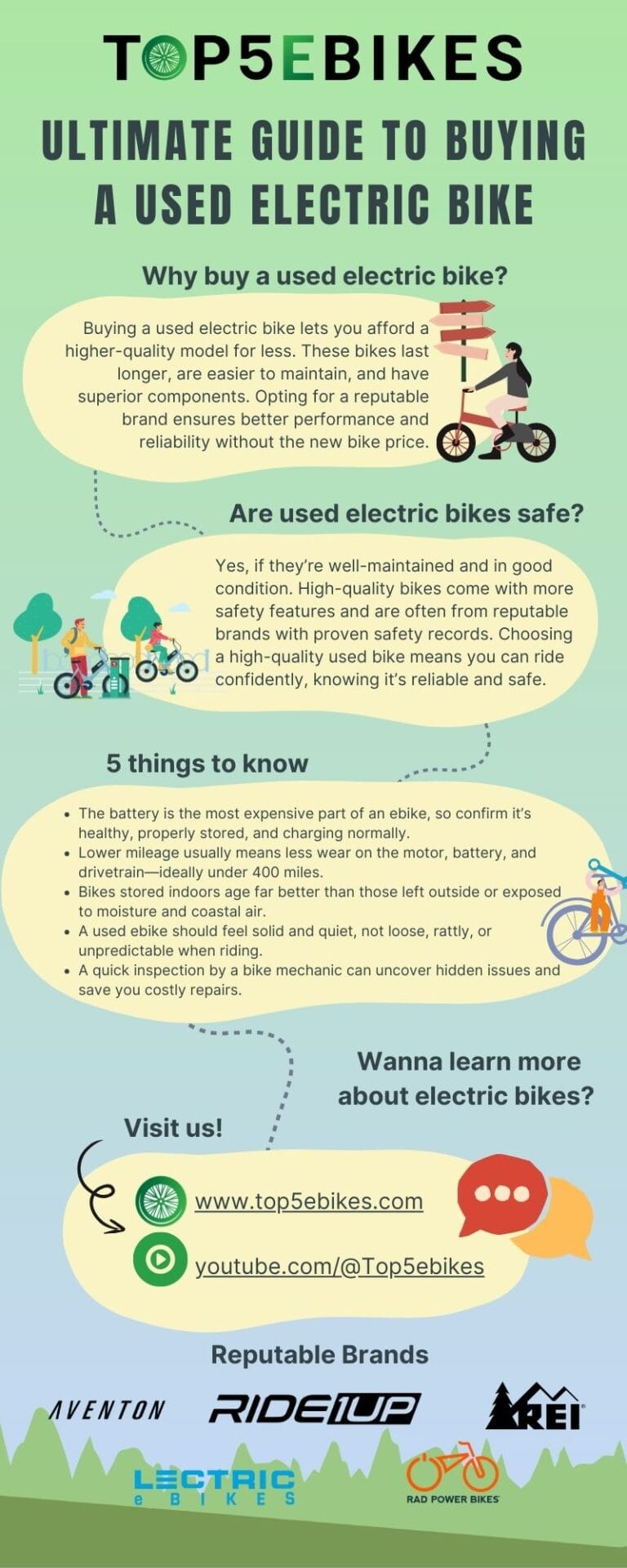
Top 5 Things to Know When Buying a Used Electric Bike
Battery Check: The battery is the single most expensive and critical component of an electric bike, so its condition should be your top priority when buying used. Even if the bike looks clean and lightly ridden, a degraded battery can drastically reduce range, performance, and overall value.
Ask how old the battery is, how often it was charged, and whether it was stored properly during long periods of non-use. Lithium-ion batteries degrade over time regardless of mileage, and poor storage habits—such as leaving a battery fully discharged or fully charged for months—can significantly shorten its lifespan. If possible, request a test ride to observe voltage drop and confirm the battery charges and discharges normally.
Before purchasing, it’s also smart to understand safe storage and handling practices for ebike batteries to reduce fire risk and long-term damage.
Mileage: Mileage matters, but it should be interpreted in context. A used electric bike with lower mileage—ideally under 400 miles—generally indicates less wear on key components such as the motor, drivetrain, brakes, and suspension. Lower mileage also often means fewer battery charge cycles, which can translate to better remaining battery health.
That said, mileage alone doesn’t tell the full story. A higher-mileage bike that was well maintained and gently ridden may be in better shape than a low-mileage bike that was abused, overloaded, or ridden aggressively. Ask how the bike was used—daily commuting on pavement is very different from heavy off-road riding or cargo hauling.
If the bike’s display tracks mileage, confirm that the odometer works correctly and hasn’t been reset. Consistency between the bike’s condition and reported mileage can help validate the seller’s claims.
How was it Stored: How and where a bike was stored can have just as much impact as how it was ridden. Bikes stored indoors—especially in garages, apartments, or climate-controlled spaces—tend to age far better than those left outdoors year-round.
Outdoor storage exposes bikes to moisture, temperature swings, UV damage, and corrosion. This is especially important if the bike was stored in coastal environments, where salt air and fog can accelerate rust on bolts, spokes, electrical connectors, and drivetrain components. Corrosion isn’t always obvious at first glance, but it can lead to long-term reliability issues.
Ask direct questions: Was the bike kept outside? Covered or uncovered? Stored with the battery installed or removed? Honest answers here can save you from hidden problems later.
Ride Feel: A test ride can reveal issues that photos and specs never will. Pay close attention to how the bike feels under load—does it feel solid and composed, or loose and rattly? Excessive flex, unusual noises, or clunking sensations may indicate worn bearings, loose hardware, or frame issues.
Check how smoothly the motor engages and disengages. Power delivery should feel predictable, not jerky or delayed. Braking should feel confident and consistent, without sponginess or grinding. Steering should track straight without wobble, especially at higher speeds.
If something feels “off,” it usually is. Used ebikes should still feel tight and well-integrated, even if they’re not brand new.
Professional Assessment: Before finalizing a used ebike purchase, having it inspected by a professional mechanic is one of the smartest steps you can take. A trained eye can identify issues that most buyers miss—ranging from drivetrain wear and brake life to motor alignment and electrical integrity.
A shop inspection can also help confirm whether replacement parts are readily available and whether the bike uses proprietary components that could be expensive or difficult to service later. This is especially important for older models or discontinued brands.
The small upfront cost of a professional assessment can prevent costly surprises down the road and give you peace of mind that the bike is safe, functional, and worth the asking price.
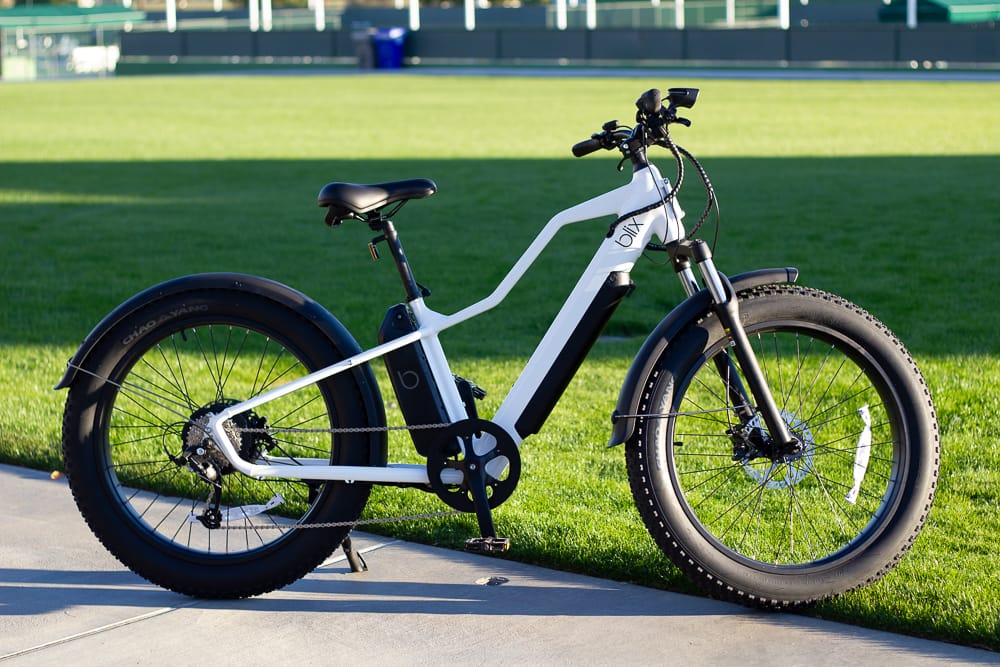
More Factors to Consider
Purchase History: Verify the bike’s purchase history to ensure legitimacy and avoid potential issues. Ask detailed questions about the bike’s usage, service history, and any upgrades or replacements.
Warranty: Not all ebike companies allow for the transfer of the original warranty when a private party sale occurs. For example, the warranty of Rad Power Bikes models only applies to the original owner. That being said, you can still update the bike’s registration if you are the new owner which helps with replacement parts and hassle-free support from the manufacturer. When buying a used ebike it’s important to get a copy of the original receipt as proof of the date of first purchase. Here’s an article from the Rad site with more details on its warranty policies.
On the other hand, Aventon allows for transfer of warranty to the new owner. Aventon provides a 2-year warranty on the frame, frameset, motor, battery, and all the Aventon-branded components of their bikes as long as you provide proof of the original sale date. If it’s been longer than two years since the original date of purchase or if you can’t prove when the bike was purchased then repairs under the warranty won’t be covered. Find more details on the Aventon warranty here.
Condition Inspection: Thoroughly inspect the bike for signs of wear and tear, focusing on critical components like the frame, wheels, brakes, and electrical systems.
Test Ride: Take the bike for a test ride to assess its performance, comfort, and overall condition. Never buy a used ebike without thoroughly assessing the ride condition of that bike for yourself. Listen for unusual sounds, check the responsiveness of controls, and evaluate the battery’s functionality.
Negotiation and Payment: Be prepared to negotiate the price based on the bike’s condition and market value. Avoid making advance payments or using non-secure money transfer methods. On a low mileage ebike in excellent condition, you may save around 20-30% depending on the market for that bike. Some brands are more popular than others and will always have a higher resale value, whereas lesser-known brands might sell for 50% or less of the bike’s original value.
Conclusion
Investing in a used electric bike offers a range of benefits, from cost savings to access to high-quality features and the peace of mind that comes with purchasing from a more reputable brand. By following essential guidelines such as battery checks, considering mileage, and seeking professional assessments, you can make a well-informed decision and enjoy the advantages of owning a reliable and affordable electric bike.