Ebike classes are one of those things that sound more complicated than they need to be.
You start shopping for an electric bike, and suddenly every model is labeled Class 1, Class 2, Class 3, or “ships as Class 2 but can be unlocked.” At that point, buying a bike starts to feel less like shopping and more like accidentally enrolling in transportation law.
The good news is that the basic system is simple. Ebike classes describe how the motor helps you ride, whether the bike has a throttle, and how fast the motor can assist before it cuts off.
In the U.S., the common system includes three categories: Class 1, Class 2, and Class 3 ebikes. The details matter because they can affect where you can ride, how the bike feels, and which model makes the most sense for your daily routine.
What Are Ebike Classes?
Ebike classes are categories used to describe how an electric bike delivers motor assistance.
The three-class system most commonly used in the U.S. separates ebikes by:
- Whether the motor helps only when you pedal
- Whether the bike has a throttle
- The speed where motor assistance stops
Class 1 ebikes provide assistance only while the rider is pedaling and usually stop assisting at 20 mph. Class 2 ebikes can use a throttle and also usually stop assisting at 20 mph. Class 3 ebikes provide pedal assist up to 28 mph.
That is the clean version. The slightly annoying version is that local rules can still vary. States, cities, parks, trails, and land managers may treat each class differently, so it is always worth checking local regulations before assuming your ebike is welcome on every route.
Class 1 Ebikes Explained
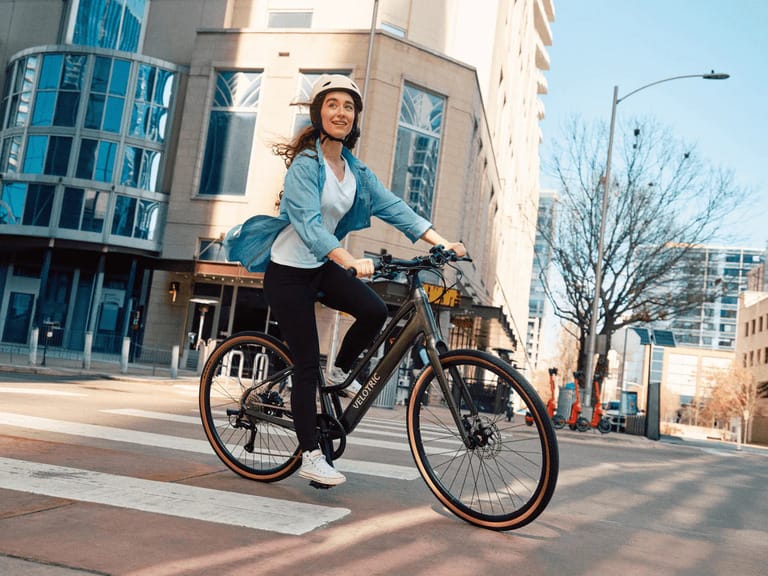
A Class 1 ebike is pedal-assist only.
That means the motor helps when you pedal, but there is no throttle to move the bike on its own. If you stop pedaling, the motor stops helping. Motor assistance usually cuts off at 20 mph, though you can still ride faster than that under your own power or downhill.
Class 1 ebikes are popular with riders who want the most traditional bike feel. You still pedal the entire time, but hills, wind, and longer rides become easier. It feels like riding a regular bike with a helpful tailwind you can turn on.
Who Class 1 Ebikes Are Best For
Class 1 ebikes are a good fit for riders who want exercise, a natural pedaling feel, and broader access to bike paths or trails in many areas.
They are especially common among:
- Riders who want an ebike that still feels close to a standard bicycle
- Trail riders in areas where Class 1 ebikes are allowed
- Fitness-focused riders who want assistance, not a fully motor-driven ride
- Beginners who do not want to think about throttle control
The main downside is that you have to pedal to get help. For many riders, that is the point. For others, especially people who want easier starts from a stop or help when tired, Class 2 may be more appealing.
Class 2 Ebikes Explained
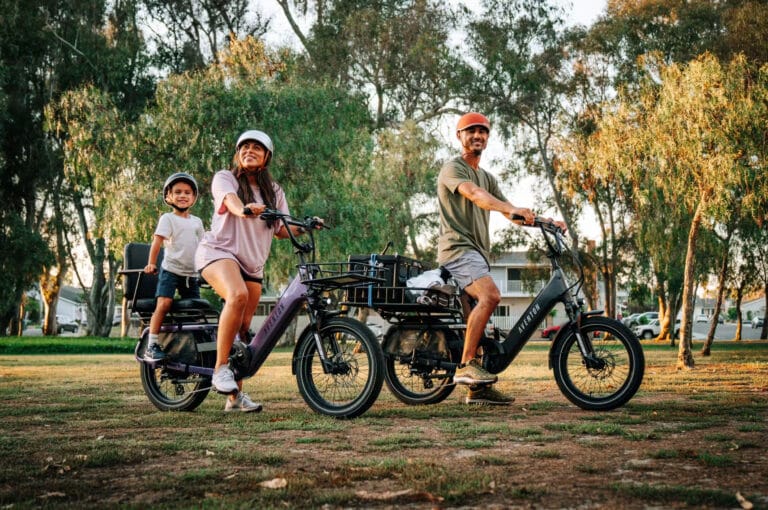
A Class 2 ebike has pedal assist and a throttle.
Like Class 1, motor assistance usually cuts off at 20 mph. The difference is that a Class 2 ebike can also move forward using the throttle, even if you are not pedaling.
That throttle is why Class 2 ebikes are so popular. It makes the bike easier to use in stop-and-go riding, helps when starting on hills, and gives riders a backup option when they need a quick boost.
This does not mean a class 2 ebike turns into a scooter. You can still pedal normally, use pedal assist, and ride it like a bike. The throttle just gives you another way to use the motor when you need it.
Why Class 2 Ebikes Are So Popular
Class 2 ebikes hit a very practical middle ground.
They are not faster than Class 1 bikes under motor assistance, but they are more flexible. That matters for commuters, casual riders, older riders, and anyone who appreciates a little help getting moving from a full stop.
A throttle can be useful when:
- Starting at a traffic light
- Getting across an intersection smoothly
- Climbing a short hill
- Restarting after stopping on an incline
- Taking a quick break from pedaling
It is not about being lazy. Sometimes it is just nice when the bike helps you get rolling again without turning every stop sign into a mini hill-start test.
Class 3 Ebikes Explained
A Class 3 ebike is built for higher assisted speeds.
Class 3 ebikes usually provide pedal assist up to 28 mph. In many versions of the class system, Class 3 bikes are pedal-assist focused, and throttle rules can vary by location or by how the bike is configured.
That higher assisted speed makes Class 3 ebikes especially appealing for commuting. If you ride longer distances or spend more time on roads and bike lanes, the extra speed can make a meaningful difference.
The trade-off is access. Class 3 ebikes may face more restrictions on multi-use paths, trails, or park systems because 28 mph assistance can be too fast for areas shared with pedestrians, kids, dogs, strollers, and everyone else trying to use the same space.
Who Class 3 Ebikes Are Best For
Class 3 ebikes are best for riders who want to cover more ground and are comfortable riding at higher speeds.
They are often a strong fit for:
- Faster commuting
- Longer road-based rides
- Riders replacing some car trips
- People who mostly ride in bike lanes or on streets
They are less ideal if your riding is mostly on shared trails, crowded paths, or places with stricter ebike access rules.
Class 1 vs Class 2 vs Class 3 Ebikes: Key Differences
Here is the simplest way to compare the three ebike classes.
Ebike Class | Pedal Assist | Throttle | Assisted Speed | Best For | Common Restrictions |
Class 1 | Yes | No | Up to 20 mph | Traditional bike feel, fitness rides, many paths and trails | Usually the least restricted, but local rules still apply |
Class 2 | Yes | Yes | Up to 20 mph | Commuters, casual riders, easy starts, stop-and-go riding | May be restricted on some trails or paths |
Class 3 | Yes | Usually pedal-assist focused; throttle rules vary | Up to 28 mph | Faster commuting and longer road rides | More likely to face restrictions on trails and multi-use paths |
If you only remember one thing, make it this:
Class 1 is pedal assist only. Class 2 adds a throttle. Class 3 raises pedal assist up to 28 mph.
That is the whole class system in one sentence. No laminated flowchart required.
Which Ebike Class Is Best for You?
The best ebike class depends on where and how you plan to ride.
Best for Casual Neighborhood Riding
Class 1 or Class 2 usually makes the most sense.
If you enjoy pedaling and want the bike to feel natural, go Class 1. If you want the option to use a throttle for easy starts or relaxed cruising, go Class 2.
Best for Commuting
Class 2 and Class 3 are usually the strongest choices for commuters.
A class 2 ebike is great for stop-and-go riding, especially in town. A Class 3 ebike is better if your commute is longer, faster, or mostly on roads and bike lanes.
Best for Trail Riding
Class 1 is often the safest bet for trails, depending on local rules.
Many trail systems that allow ebikes tend to favor pedal-assist-only models. That does not mean Class 1 ebikes get automatic access, though. Trail rules can change from one park to the next, because apparently consistency would have been too generous.
Best for Older Riders or Mobility-Focused Riders
Class 2 is usually the most beginner-friendly and confidence-friendly option.
The throttle can help with starts, hills, and low-speed situations. That extra control can make a big difference for riders who want the benefits of an ebike without feeling like every ride has to be a workout.
Best for Speed-Focused Commuters
Class 3 is the better fit if speed is the priority.
The 28 mph assist limit can make longer commutes feel more manageable. Just make sure your route allows Class 3 riding before you buy one and discover that your favorite path has opinions.
Are Ebike Classes Legal Everywhere?
No. Ebike class rules are not the same everywhere.
The Class 1, Class 2, and Class 3 system is widely used in the U.S., but access rules can vary by state, city, county, park, trail system, or land manager. One area may allow Class 1 and Class 2 ebikes on a path, while another may only allow Class 1. Some places may restrict Class 3 ebikes from multi-use paths because of the higher assisted speed.
This is why it is risky to make blanket claims like “Class 2 ebikes are allowed on all bike paths” or “Class 3 ebikes are always legal on roads.” The better answer is: check your local rules.
Yes, that is less satisfying than a universal answer. It is also the safer answer.
Quick Buying Advice
If you are still unsure, start with Class 2. For most new riders, it is the easiest all-around choice because you get pedal assist, a throttle when you want it, and a 20 mph assist limit that fits many everyday rides.
Class 1 is better if you want a more traditional bike feel or trail access is a priority. Class 3 is better if your commute is longer and speed matters more than path access.
The right class is not the one with the biggest number. It is the one that fits where you ride, how fast you want to go, and how much help you want from the motor.
Choose wisely, because the best ebike class is the one that lets you ride more and Google local trail rules less.
FAQ: Ebike Classes Explained
What is the difference between Class 1 and Class 2 ebikes?
The main difference is the throttle. A Class 1 ebike is pedal-assist only, while a Class 2 ebike has pedal assist plus a throttle. Both commonly provide motor assistance up to 20 mph.
Is a Class 2 ebike good for beginners?
Yes, a Class 2 ebike is often a great choice for beginners because it gives you both pedal assist and throttle control. The throttle can help with starts, hills, and low-speed riding, which makes the bike feel less intimidating.
Can a Class 3 ebike have a throttle?
It depends on the bike and local rules. In many versions of the class system, Class 3 ebikes are pedal-assist focused up to 28 mph, while throttle assistance may be limited or treated differently. Always check the bike’s settings and your local regulations.
Which ebike class is best for commuting?
Class 2 and Class 3 ebikes are usually best for commuting. Class 2 works well for stop-and-go city riding, while Class 3 is better for longer commutes where higher assisted speed is useful.
Are Class 2 ebikes allowed on bike paths?
In many areas, Class 2 ebikes are allowed on bike lanes or paths, but rules vary. Some trails or park systems may allow only Class 1 ebikes, while others may allow multiple classes. Check local signage and regulations before riding.
Do ebike classes affect insurance or registration?
In many places, Class 1, Class 2, and Class 3 ebikes do not require registration like mopeds or motorcycles, but rules vary by location. If your ebike exceeds common class limits, especially motor power or assisted speed, it may be treated differently.