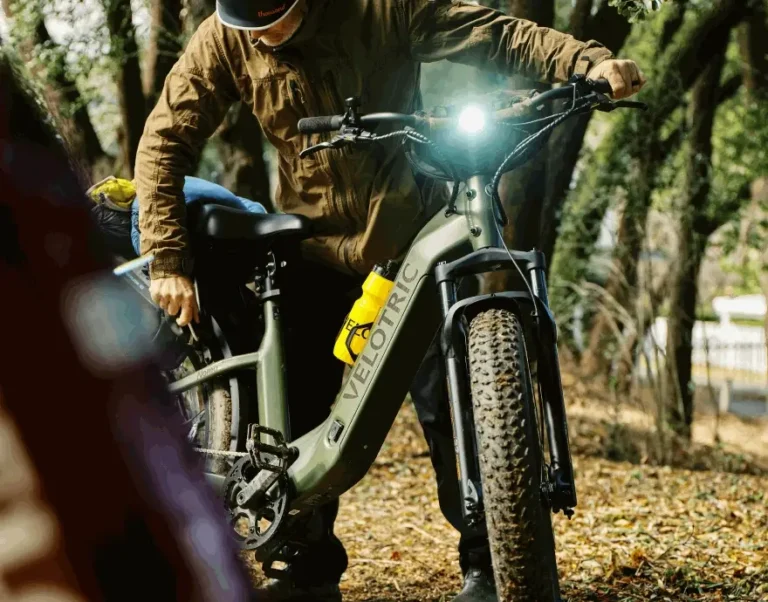
Fat-tire ebikes used to have a very specific reputation. They were big, heavy, slightly ridiculous-looking machines that made the most sense if you lived near sand, snow, or a dirt road that looked like it had personal beef with your spine.
That has changed quickly. In 2026, fat-tire ebikes are not just for off-road riders anymore. They have become the “one bike for everything” category: commuting, weekend trails, gravel paths, beach cruising, grocery runs, and the occasional poorly planned shortcut through a field.
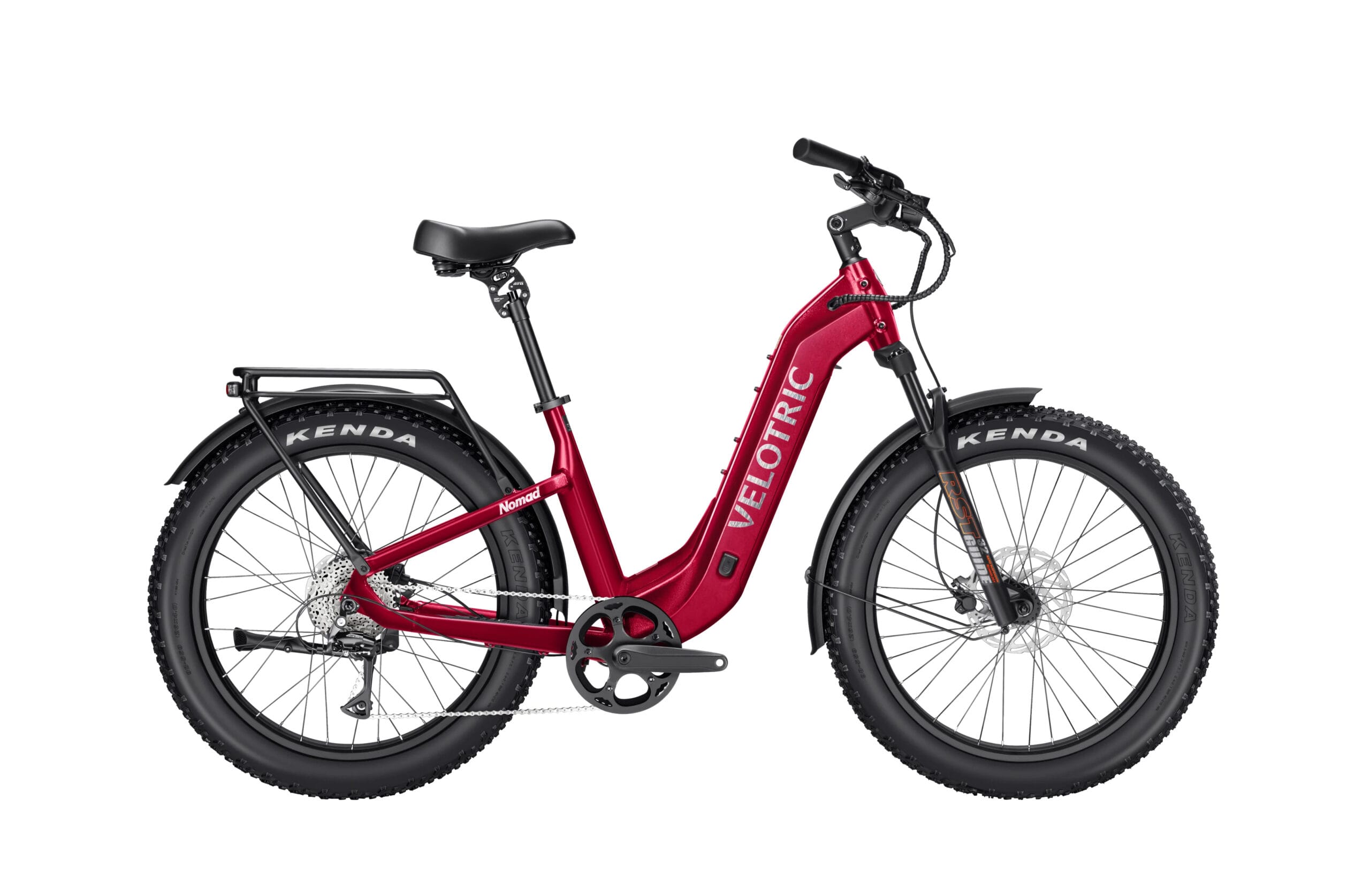
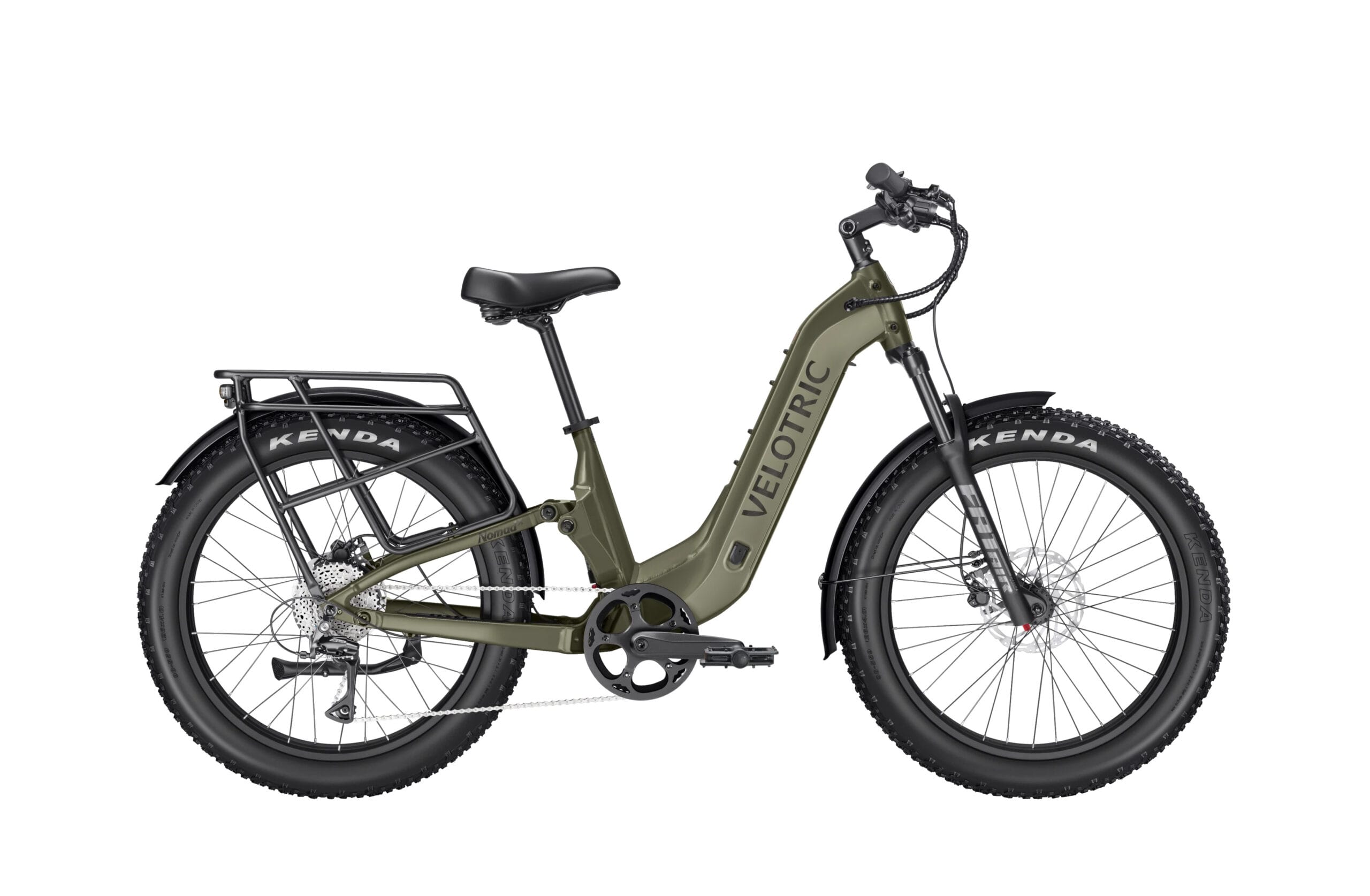
The Velotric Nomad series fits right into that sweet spot. The Nomad 2 and Nomad 2X are both fat-tire electric bikes built around stability, high payload capacity, strong torque numbers, and enough comfort tech to make rough terrain feel a lot more manageable. The Nomad 2 uses a 750W motor with 1,300W peak output, 90Nm of torque, a 705.6Wh battery, and up to 65 miles of claimed range. The Nomad 2X steps things up with 1,400W peak output, 105Nm of torque, an 801.6Wh battery, full air suspension, and up to 75 miles of pedal-assist range.
In other words, these are not delicate city bikes pretending they like nature. They are built for riders who want one ebike that can handle pavement during the week and actual terrain on the weekend.
Velotric Nomad 2 vs Nomad 2X: Key Specs
Before we get into the ride feel and real-world differences, here’s a quick side-by-side look at the core specs that separate the Nomad 2 from the more upgraded Nomad 2X.
Feature | Velotric Nomad 2 | Velotric Nomad 2X |
Price | $1,999 | $2,399-$2,499 |
Motor | 750W, 1,300W peak | 750W, 1,400W peak |
Torque | 90Nm | 105Nm |
Battery | 48V, 14.7Ah, 705.6Wh | 48V, 16.7Ah, 801.6Wh |
Claimed Range | Up to 65 miles | Up to 75 miles pedal assist |
Suspension | 100mm hydraulic front fork | 120mm air fork + rear air suspension |
Payload Capacity | 505 lbs | 560 lbs |
Rear Rack Capacity | 66 lbs | 120 lbs |
Weight | Not listed on fetched page | 80 lbs |
Tires | 26 x 4.0-inch Kenda fat tires | 26 x 4.0-inch Kenda fat tires |
Max Speed | 20 mph default, adjustable to 28 mph | 20 mph default, adjustable to 28 mph |
Sensors | SensorSwap torque/cadence | SensorSwap torque/cadence |
Notable Feature | ComfortMax geometry | Full suspension + Stealth Mode |
Why the Velotric Nomad Series Works So Well
Fat Tires Give the Nomad Series Real Stability
The whole point of a fat-tire ebike is confidence. Both Nomad models use 26 x 4.0-inch Kenda fat tires, which give the bike a wider contact patch than a standard commuter tire and help with traction on gravel, dirt, sand, snow, and rough pavement.
That matters because most riders are not bombing down mountain trails every weekend. They are dealing with potholes, loose shoulders, wet leaves, sandy paths, and multi-use trails that look like they have not seen a maintenance committee since 2018.
The Nomad series handles that reality well. The tires add forgiveness, the upright geometry keeps the ride relaxed, and the high payload ratings mean the bike does not feel like it is operating at the edge of its limits every time you add a backpack, groceries, or a heavier rider.
Torque Matters More Than the Wattage Headline
Manufacturers love to brag about wattage, but torque is what you actually feel when the bike has to work. It is the low-speed pulling power that gets you moving from a dead stop, pushes you up a hill, and keeps the motor from sounding like it is filing a formal complaint.
The Nomad 2 delivers 90Nm of torque, while the Nomad 2X bumps that up to 105Nm. For a fat-tire ebike, that is exactly what you want. Big tires add comfort and traction, but they also create more rolling resistance, so a weak motor can make the whole bike feel like you are pedaling a couch through wet sand.
The Nomad 2 has enough torque for commuting, mixed terrain, and loaded weekend rides. The Nomad 2X is the better choice if you deal with steeper hills, heavier cargo, rougher trails, or simply want more power in reserve.
SensorSwap Makes the Ride Feel More Customizable
One of the more useful features on both Nomad models is Velotric’s SensorSwap technology, which lets riders switch between torque-sensing and cadence-sensing assist.
A torque sensor feels more natural because it measures how hard you are pressing on the pedals and adds power accordingly. This is better for control, especially on hills, trails, and tight turns where you do not want the bike surging forward like it just heard the dinner bell.
Cadence sensing is less subtle. It mostly cares that the pedals are turning, which can feel more relaxed when you are tired, commuting home, and just simply not in the mood to pedal!
Having both gives the Nomad series a wider personality range. You can make the bike feel more like a traditional bicycle when you want control, or more like an easy cruiser when you want the motor to do more of the work.
Velotric Nomad 2 Review: The Practical Fat-Tire Pick
The Nomad 2 is the better choice for most riders because it delivers the core fat-tire experience without going fully overboard. You get a 750W motor, 1,300W peak output, 90Nm of torque, a 705.6Wh battery, and a 505 lb payload capacity.
That is a strong setup for riders who want stability, comfort, and all-terrain capability, but do not necessarily need full suspension. The 100mm hydraulic front fork helps take the edge off rough pavement and gravel, while the fat tires do a lot of the comfort work on their own.
The rear rack is rated for 66 lbs, which is enough for groceries, commuting gear, or a loaded pannier setup. This makes the Nomad 2 a strong option for someone who wants an adventure-style ebike that still works as a daily utility bike. It is rugged, but it has not crossed the line into “where exactly am I supposed to park this thing?” territory.
Who Should Choose the Nomad 2?
Choose the Nomad 2 if you want a fat-tire ebike for commuting, rough roads, gravel paths, beach cruising, or light trail use. It is the better value pick if you do not need rear suspension or the extra torque of the 2X.
It is also the more sensible choice if your “off-road adventures” are mostly dirt paths, campground roads, packed sand, and the occasional questionable shortcut. Not everyone needs a full-suspension beast. Sometimes you just need a bike that can roll over bad pavement without making every ride feel like a durability test.
Velotric Nomad 2X Review: The Full-Suspension Upgrade
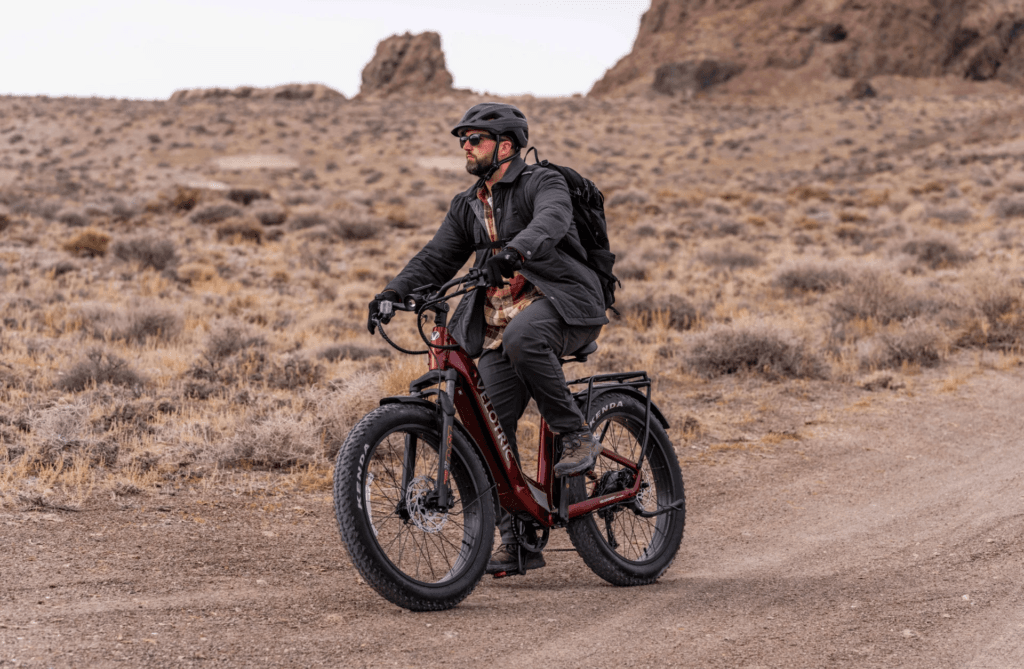
The Nomad 2X is what happens when Velotric takes the Nomad formula and gives it the adventure-bike treatment. It uses the same general fat-tire foundation, but adds more torque, a larger battery, higher payload capacity, and full air suspension.
The Nomad 2X has a 750W motor with 1,400W peak output, 105Nm of torque, and an 801.6Wh battery rated for up to 75 miles of pedal-assist range. It also has a 560 lb max payload capacity and a rear rack rated for 120 lbs, which is a major upgrade over the Nomad 2 if you plan to haul heavier cargo.
The biggest difference is the suspension. The 2X uses a 120mm air fork up front and rear air suspension with 80mm of rear wheel travel. That matters if you ride rough trails, chunky gravel, washboard roads, or anything that regularly reminds you why suspension exists.
Stealth Mode Is Specific, but Useful
The Nomad 2X also includes Stealth Mode, which turns off the lights, dims the display, and adjusts the speed limit for quieter movement. Not everyone will use this, but it makes sense for hunters, campers, early-morning riders, or anyone who wants the bike to stay less visible and less distracting in low-light settings.
It is not the reason most people will buy the 2X, but it does show that Velotric is thinking beyond the standard commuter checklist. Most brands stop at “we included fenders.” Velotric at least asked what someone might actually want if they are riding before sunrise or slipping through a campground without becoming a rolling lighthouse.
Who Should Choose the Nomad 2X?
Choose the Nomad 2X if you want the most comfortable, capable, and heavy-duty Nomad model. It is the better fit for riders who spend more time off pavement, carry heavier loads, ride rougher terrain, or want the extra comfort of full suspension.
It is also the better choice for larger riders or cargo-heavy setups. A 560 lb payload rating gives you a lot more breathing room than a standard commuter ebike, and breathing room matters. Riding at the absolute edge of a bike’s weight limit is how you end up with broken spokes, tired brakes, and expensive maintenance surprises.
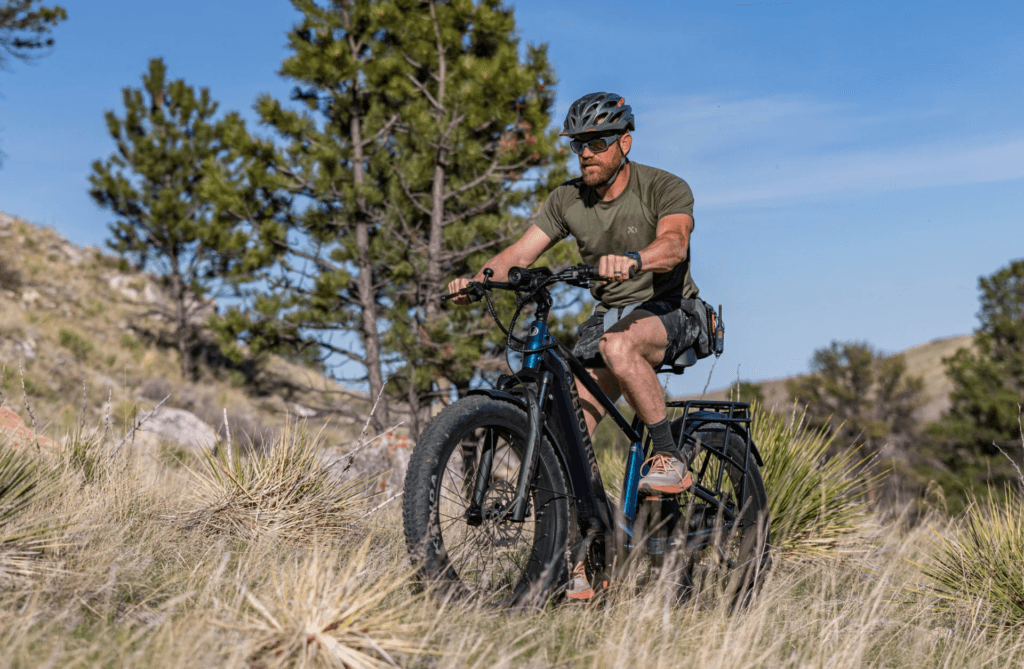
Real-World Range: What to Expect
Velotric lists up to 65 miles of range for the Nomad 2 and up to 75 miles of pedal-assist range for the Nomad 2X. Those are useful numbers, but you should treat them as best-case estimates rather than promises carved into stone.
Fat-tire ebikes are naturally less efficient than slimmer commuter bikes. Rider weight, tire pressure, hills, wind, terrain, cargo, temperature, and assist level can all shrink real-world range quickly.
If you are riding in low assist on smooth pavement, you may get close to the advertised numbers. If you are climbing dirt roads with cargo in high assist, expect the battery to drain faster. This is not a Velotric problem; it is just physics being rude.
The good news is that both bikes have enough battery capacity for real daily use. The Nomad 2’s 705.6Wh battery is plenty for commuting and moderate adventure riding, while the Nomad 2X’s 801.6Wh battery gives you more buffer for longer trips, rougher terrain, and heavier loads.
Which Velotric Nomad Should You Buy?
If you want the best value, buy the Nomad 2. It gives you the fat tires, strong torque, high payload capacity, integrated lighting, fenders, rack, and SensorSwap tech without pushing the price into premium full-suspension territory.
If you want the best ride quality and capability, buy the Nomad 2X. The full air suspension, higher torque, larger battery, stronger rear rack, and higher payload capacity make it the more serious adventure platform.
The easiest way to decide is to be honest about where you ride. If your version of adventure is mostly gravel paths, rough pavement, light trails, and weekend exploring, the Nomad 2 is probably enough bike. If your rides involve loose terrain, rougher trails, heavier loads, or longer days in the saddle, the Nomad 2X earns its upgrade cost.
Final Verdict: Why We Love the Velotric Nomad Series
The Velotric Nomad series works because it understands what riders actually want from a fat-tire ebike. Most people are not trying to win a backcountry endurance race. They want a bike that feels stable, powerful, comfortable, and capable when the pavement ends or the road quality gets deeply unserious.
The Nomad 2 is the practical all-rounder. It is powerful enough for hills, stable enough for loose terrain, and useful enough for commuting or errands.
The Nomad 2X is the comfort-focused adventure upgrade. It adds the suspension, torque, battery capacity, and cargo strength that make sense for riders who plan to push further off-road or carry more weight.
Either way, the Nomad series gives you a fat-tire ebike that feels less like a novelty and more like a legitimate everyday adventure tool. It is rugged without being cartoonish, powerful without being unmanageable, and practical enough that you can use it for more than weekend dirt-road daydreaming.
Happy riding, and may your shortcuts be less muddy than they look.
FAQ: Velotric Nomad Series
Is the Velotric Nomad 2 good for commuting?
Yes. The Nomad 2 works well for commuting if you want a stable, comfortable fat-tire ebike that can handle rough pavement, gravel paths, and bad weather. It comes with a rear rack, fenders, integrated lighting, and a 705.6Wh battery rated for up to 65 miles of range.
What is the difference between the Nomad 2 and Nomad 2X?
The Nomad 2 is a hardtail fat-tire ebike with a 100mm hydraulic front fork, 90Nm of torque, and a 505 lb payload capacity. The Nomad 2X adds full air suspension, 105Nm of torque, a larger 801.6Wh battery, a 560 lb payload capacity, and a stronger 120 lb rear rack.
Is the Velotric Nomad 2X worth the upgrade?
The Nomad 2X is worth the upgrade if you ride rougher terrain, want full suspension comfort, carry heavier loads, or need the extra torque and battery capacity. If you mostly ride pavement, gravel paths, and lighter trails, the Nomad 2 is likely the better value.
How fast does the Velotric Nomad series go?
Both the Nomad 2 and Nomad 2X are set to 20 mph by default and can be adjusted up to 28 mph where Class 3 ebikes are legal.
Are Velotric Nomad ebikes good for heavier riders?
Yes. The Nomad 2 has a 505 lb payload capacity, while the Nomad 2X increases that to 560 lbs. That makes both models strong options for heavier riders, especially compared with many standard commuter ebikes that top out around 275-300 lbs.
Can the Velotric Nomad series handle off-road riding?
Yes, the Nomad series is designed for mixed terrain, including gravel, dirt, sand, snow, and rough pavement. The 26 x 4.0-inch Kenda fat tires help provide traction and stability, while the Nomad 2X adds full air suspension for rougher off-road use.
Does the Velotric Nomad series have a removable throttle?
Yes. Both the Nomad 2 and Nomad 2X list a removable trigger-control throttle as part of the control setup.