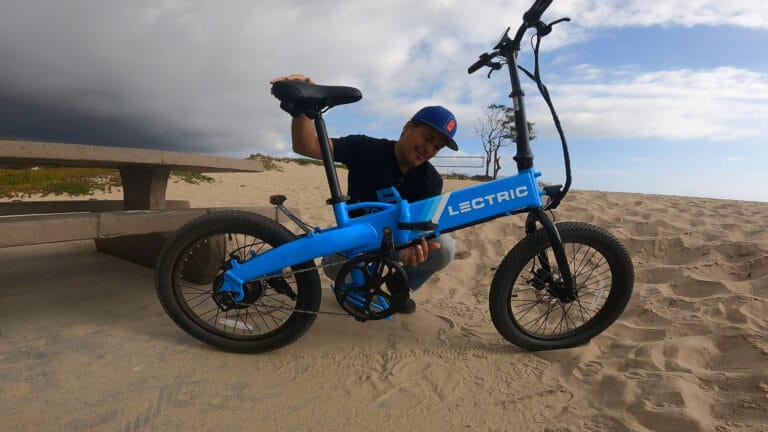
In 2025, the budget folding ebike category has matured into one of the most competitive segments in the entire ebike market. What was once dominated by heavy, underpowered designs is now filled with capable, feature‑rich models that blur the line between affordable commuter bikes and full‑fledged electric transportation tools. At the center of this conversation sits the Lectric XP Lite 2.0, a bike that continues to punch above its price by prioritizing portability, simplicity, and real‑world usability.
But value is contextual. A folding ebike that feels perfect for an apartment commuter may fall short for a rider tackling hills, longer distances, or mixed terrain. That’s where competitors like the Ride1Up Portola, ENGWE Engine Pro 2.0, and Yamee XL Plus enter the picture. Each offers a distinct interpretation of what a budget folding ebike should be — more power, more range, more comfort, or more performance.
This guide takes a deep dive into how the XP Lite 2.0 stacks up against these alternatives under (or near) the $1,500 mark, focusing not just on specs, but on how these bikes actually fit different riders and riding styles.
The Budget Folding Ebike Landscape
Folding ebikes are inherently about compromise. Designers must balance weight, strength, battery size, motor output, and foldability — all while keeping costs in check. In the sub‑$1,500 category, brands typically lean toward one of two philosophies:
- Portability‑first: lighter frames, smaller batteries, modest motors
- Capability‑first: bigger motors, larger batteries, fat tires, and suspension — at the expense of weight and compactness
The Lectric XP Lite 2.0 clearly falls into the first camp, while bikes like the Engine Pro 2.0 and Yamee XL Plus push hard into the second. The Ride1Up Portola sits somewhere in the middle, attempting to balance folding convenience with higher performance.
Understanding which philosophy aligns with your needs is key before comparing spec sheets.
Key Competitors to the XP Lite 2.0
Lectric XP Lite 2.0 — Lightweight Value Champion
The XP Lite 2.0 is built around a simple idea: make a folding ebike that is genuinely easy to live with. At just 49 lb, it’s one of the lightest electric folding bikes in its price range, making it far easier to carry up stairs, lift into a car, or store in tight spaces.
Key highlights include:
- Compact folding frame with 20‑inch wheels
- 300 W nominal motor tuned for efficiency
- Two battery options, including a long‑range upgrade
- Hydraulic disc brakes — rare at this weight and price
Rather than chasing headline‑grabbing motor numbers, Lectric focuses on reliability, predictable power delivery, and portability — traits that matter most to commuters and urban riders.
Ride1Up Portola — Power‑Forward Folding Value
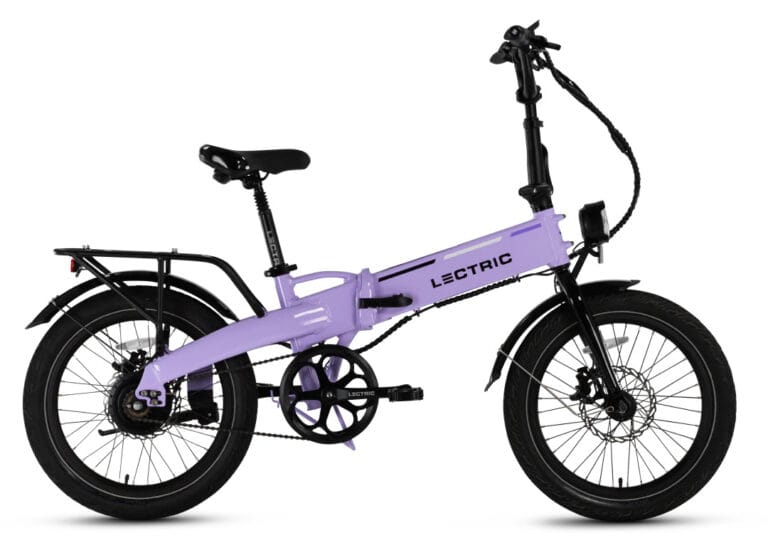
The Ride1Up Portola takes a more aggressive approach. With a 750 W hub motor, hydraulic brakes, and a folding frame, it aims to deliver full‑size ebike power in a compact package.
Standout features include:
- Strong motor output for hills and faster acceleration
- Choice of two battery sizes
- Competitive pricing depending on configuration
The trade‑off is weight. At nearly 59 lb, the Portola is noticeably heavier than the XP Lite 2.0, which impacts portability once folded.
ENGWE Engine Pro 2.0 — Fat‑Tire Powerhouse
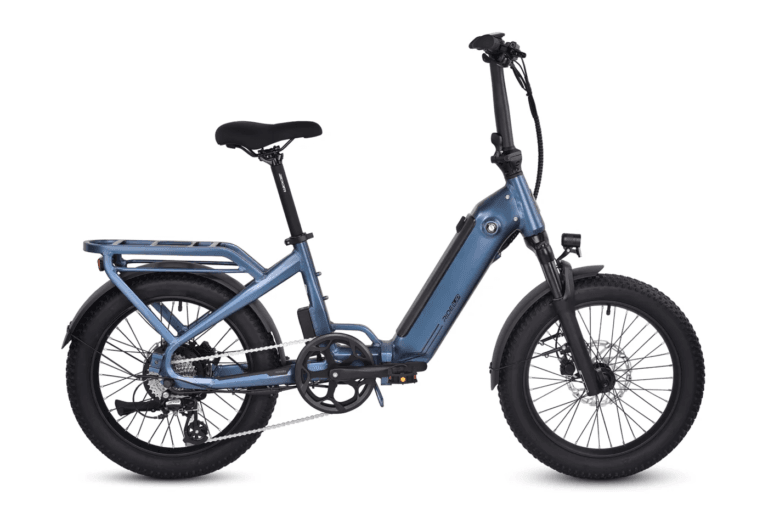
The Engine Pro 2.0 is a very different animal. This is a folding ebike in name, but in practice it behaves more like a compact electric moped or adventure bike.
Key features include:
- 4‑inch fat tires
- Full suspension (front and rear)
- Torque sensor for more natural pedal assist
- Large 52 V, 16 Ah battery
With these features comes bulk. At nearly 70 lb, it’s not something most riders will want to lift regularly, even though it technically folds.
Yamee XL Plus — Spec‑Driven Performance Pick
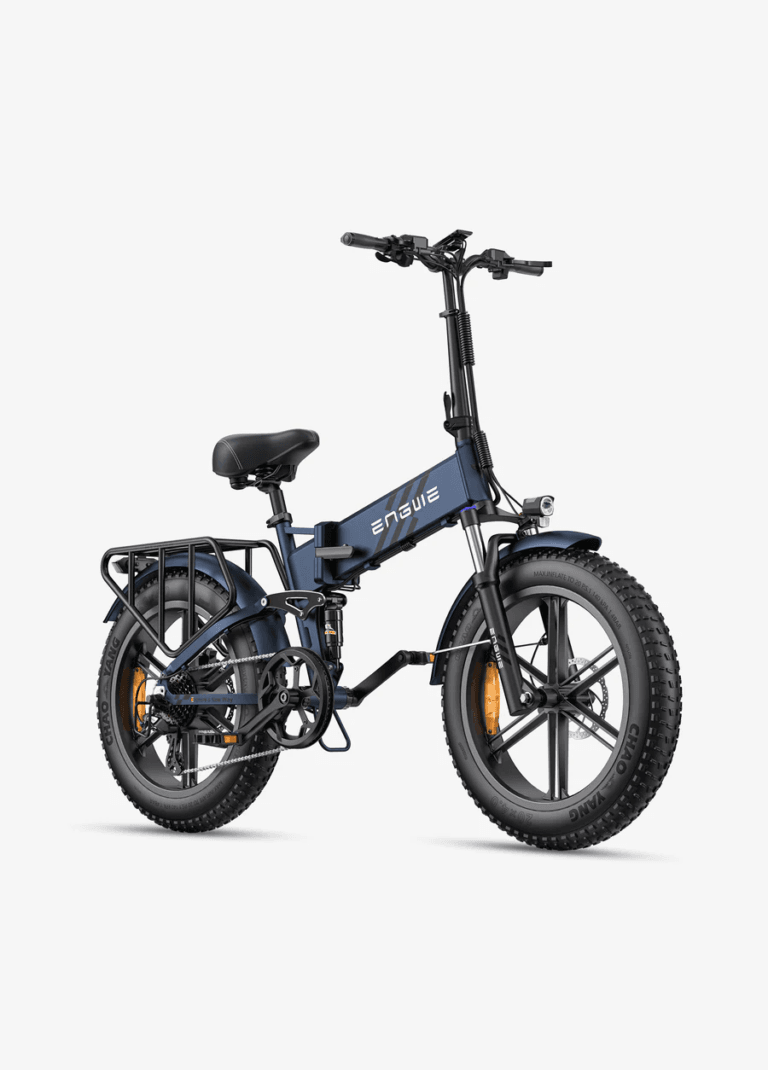
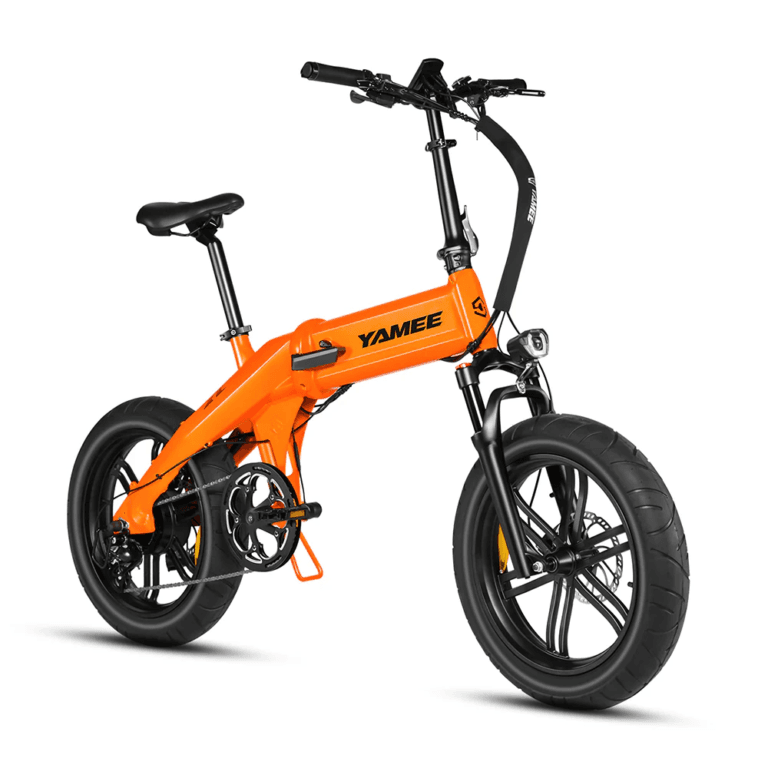
The Yamee XL Plus targets riders who want maximum numbers for the money. With a claimed 1,500 W peak motor, a 15 Ah battery, and long advertised range, it competes strongly on paper.
What sets it apart:
- Large battery capacity for extended rides
- Aggressive motor tuning
- Hydraulic brakes and solid component spec
The trade‑off here is brand maturity. Yamee is less established than Lectric or Ride1Up, which can factor into long‑term support considerations.
Key Specs
Feature | XP Lite 2.0 | Ride1Up Portola | ENGWE Engine Pro 2.0 | Yamee XL Plus |
Motor Nominal | 300 W | 750 W | 750 W | 750 W |
Motor Peak | ~819 W | ~1,200 W | 1,500 W peak | |
Battery | 48 V, 7.8 Ah (std) / 14 Ah (LR) | 48 V, 10.4 Ah or 13.4 Ah | 52 V, 16 Ah | 48 V, 15 Ah |
Range (claimed) | 45 mi / 80 mi | Up to 40 mi | Up to ~68 mi | 60–80 mi |
Brakes | Hydraulic disc (180 mm) | 2‑piston hydraulic | Hydraulic disc (160 mm) | Hydraulic |
Weight | 49 lb | 59 lb | 69.6 lb | 75.5 lb |
Payload / Max Load | 275 lb | 300 lb | 330 lb | 330 lb |
Feature Comparison
Motor & Battery
The XP Lite 2.0’s modest motor output is intentional. Its ~819 W peak is sufficient for urban riding, bike paths, and moderate hills, especially when paired with pedal assist. The advantage is efficiency — smaller motors draw less power, which helps preserve range with smaller batteries.
By contrast, the Portola, Engine Pro 2.0, and Yamee XL Plus all emphasize raw power. This translates to stronger hill climbing and faster acceleration, but also higher energy consumption. Riders who rely heavily on throttle or high assist levels may see real‑world range fall short of advertised numbers.
Battery size plays an equally important role. Larger batteries extend range but add weight and bulk. The XP Lite 2.0’s optional long‑range battery gives riders flexibility without permanently committing to a heavier setup.
Range & Ride Feel
Range claims should always be taken with context. Lightweight bikes like the XP Lite 2.0 often deliver more consistent real‑world results because their motors are tuned conservatively and their overall mass is lower.
Heavier bikes like the Engine Pro 2.0 and Yamee XL Plus shine on longer, uninterrupted rides where their larger batteries can stretch their legs. However, stop‑and‑go commuting, hills, and throttle use can quickly narrow the gap.
Ride feel also differs significantly:
- XP Lite 2.0 feels nimble and bike‑like
- Portola balances stability with power
- Engine Pro 2.0 prioritizes comfort and traction
- Yamee XL Plus feels planted but less agile
Folding, Storage, and Everyday Usability
This is where the XP Lite 2.0 clearly separates itself. Folding isn’t just a checkbox — it’s a core design priority. At 49 lb, it’s one of the few electric folding bikes that most riders can realistically carry.
The Portola remains manageable, but its extra 10 lb is noticeable. The Engine Pro 2.0 and Yamee XL Plus, while foldable, are better described as storable than portable. Lifting them into vehicles or carrying them upstairs can be challenging.
Reliability & Build Quality
Lectric has built a strong reputation for customer support, replacement parts availability, and consistent quality control. Ride1Up also has an established presence, though its more performance‑oriented designs sometimes require greater mechanical familiarity.
ENGWE and Yamee offer impressive specs, but buyers should factor in longer‑term considerations such as warranty support, parts availability, and resale value.
Value Assessment
When weighing price vs features, the XP Lite 2.0 holds up extremely well. For a sub‑$1,000–1,200 price point (depending on deals), you’re getting a reliable folding ebike with a practical motor, flexible battery options, and compact design. Comparatively, the Portola gives you more power and similar foldability — but you pay slightly more if you go for the 13.4Ah battery, and it’s a bit heavier. The Engine Pro 2.0, while more expensive, offers excellent range and power for long rides or more demanding terrain, but at the cost of weight. The Yamee XL Plus is the wild card: a newer brand, but its power, big battery, and 60‑80 mile range make it tempting if you don’t mind spending a little more and want a more performance‑oriented folding bike.
Living With These Bikes: What Specs Don’t Tell You
When comparing budget folding ebikes, the spec sheet only tells part of the story. Long-term ownership factors — how the bike fits into daily life, how easy it is to live with, and what compromises come with the price — often matter just as much as motor wattage or claimed range.
Portability vs Practicality
One of the XP Lite 2.0’s biggest advantages is how realistically portable it is. At under 50 pounds, it’s one of the few folding ebikes in this category that many riders can actually lift into a trunk, carry up a flight of stairs, or store inside an apartment without frustration. This is where heavier competitors like the Engine Pro 2.0 and Yamee XL Plus begin to show trade-offs. While they deliver more power and range, their 70+ pound weights often turn “foldable” into more of a storage convenience than a true grab-and-go solution.
For riders who live in walk-up apartments, use public transit, or frequently load their bike into a vehicle, this difference becomes apparent very quickly.
Maintenance, Support, and Brand Ecosystem
Lectric’s popularity isn’t just about price — it’s also about infrastructure. Replacement parts, batteries, accessories, and online support are widely available, and many local bike shops are now familiar with Lectric models. That ecosystem matters, especially for first-time ebike buyers.
Ride1Up also benefits from strong brand recognition and decent aftermarket support, while ENGWE and Yamee lean more heavily on direct-to-consumer channels. That doesn’t make them bad choices, but it does mean buyers should be more comfortable with DIY maintenance or longer support timelines.
Ride Quality vs Raw Power
More power doesn’t always equal a better ride. The XP Lite 2.0’s lower output motor is paired with a lighter frame, resulting in a ride that feels nimble and predictable — especially in urban environments. By contrast, bikes like the Engine Pro 2.0 feel planted and confident at speed or on rough terrain, but less agile in tight city riding or when maneuvering indoors.
This is why the “best” bike depends less on peak wattage and more on where and how you ride.
Recommendation
If you’re prioritizing value, compactness, and a well-balanced ride, the Lectric XP Lite 2.0 is a top pick. It’s especially ideal for daily commuting, apartment storage, or anyone who wants a dependable folding ebike without breaking the bank.
Consider the Ride1Up Portola if you want more motor power and don’t mind a slightly heavier bike. It’s a strong companion for city rides or moderate hills, especially with its 750 W motor and optional larger battery.
Go for the Engine Pro 2.0 if your priority is torque, range, and fat‑tyre comfort. It’s over the $1,500 mark usually, but the trade-off is a more capable, rugged ride with excellent climb capability and a torque sensor.
Pick the Yamee XL Plus if you’re chasing maximum range and peak power in a folding design, and you’re okay with a brand that’s less mainstream—but gives a lot of spec for your money.
Bottom line: For most riders looking for a budget folding ebike under $1,500, the XP Lite 2.0 remains a top pick for its blend of value, portability, and build quality. But depending on your priorities — more power, longer range, or off-road capability — the Portola, Engine Pro, or Yamee XL Plus are very worthy alternatives.