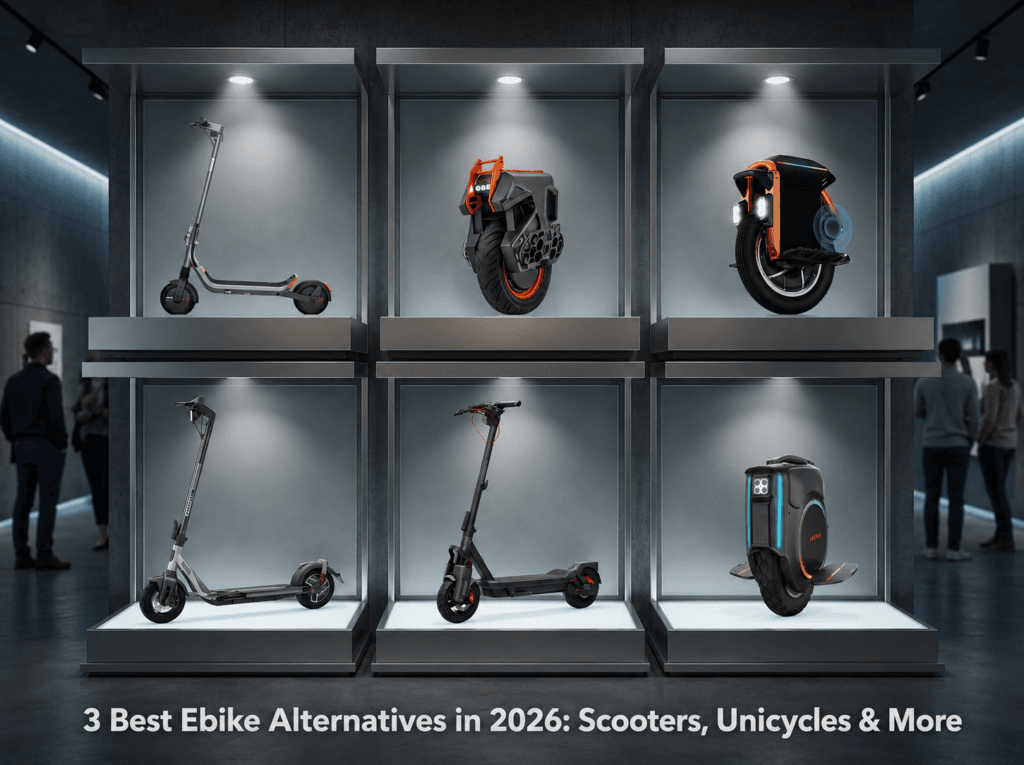
Ebikes have spent the last few years as the undisputed kings of the bike lane, but in 2026 the best ebike alternatives are starting to make more sense for a lot of riders. As ebikes get more complex and expensive, many people are realizing they don’t actually need a 70-pound machine with 24 gears just to get to a job three miles away.
Whether it is the high cost of entry, the constant maintenance of a greasy drivetrain, or the anxiety of locking a $3,000 investment to a shaky public bike rack, there are plenty of reasons to look at the other side of the fence. A growing category of Personal Electric Vehicles (PEVs) is proving that you can have a fast, reliable, and “stealthy” commute without the bulk of a traditional bicycle. From ultra-light carbon fiber scooters to unicycles that tuck under a desk, here is the honest truth about the best ebike alternatives this year.
Why Riders Want Ebike Alternatives in 2026
The shift away from ebikes isn’t just about a “new trend.” It is a reaction to the fact that the ebike market has become increasingly out of reach for the average person. Here is why riders are starting to re-calculate the commute:
1. Rising Ebike Costs in 2026
Ebikes are becoming harder and harder to justify for the budget-conscious rider. In 2026, most quality entry-level models start around $1,000, and if you want something with mid-range components, you are quickly looking at $1,500 to $2,500. For a student or a daily commuter who just needs a simple way to get to work, that price tag is a massive barrier to entry. As prices continue to climb, the value proposition of high-end scooters, unicycles, and other ebike alternatives becomes a lot more attractive.
2. Ebikes and Urban Living Constraints
Beyond the price, there is the sheer physical reality of owning a 60 lb machine. Most ebikes are heavy, typically weighing between 50 and 70 lbs. That might not matter if you have a garage, but for anyone living in a dense urban environment, it is a daily nightmare. Carrying that weight up a flight of stairs, trying to fit it into a small apartment, or squeezing it into a crowded office elevator becomes an inconvenience that eventually makes people stop riding altogether. Portability is no longer a luxury; it is a requirement.
3. Changing Commuting Patterns and Short Trips
We are also seeing a shift in how people actually move through their cities. The vast majority of daily trips are under 5 miles. For these short distances, a full-sized ebike can feel like massive overkill. Smaller, lighter vehicles are often better suited for these flexible, “last-mile” sprints. You don’t need a heavy-duty frame and a 750W motor just to travel a few blocks, and riders are finally starting to catch on to that.
Electric Scooters: The Best Low-Maintenance Ebike Alternative
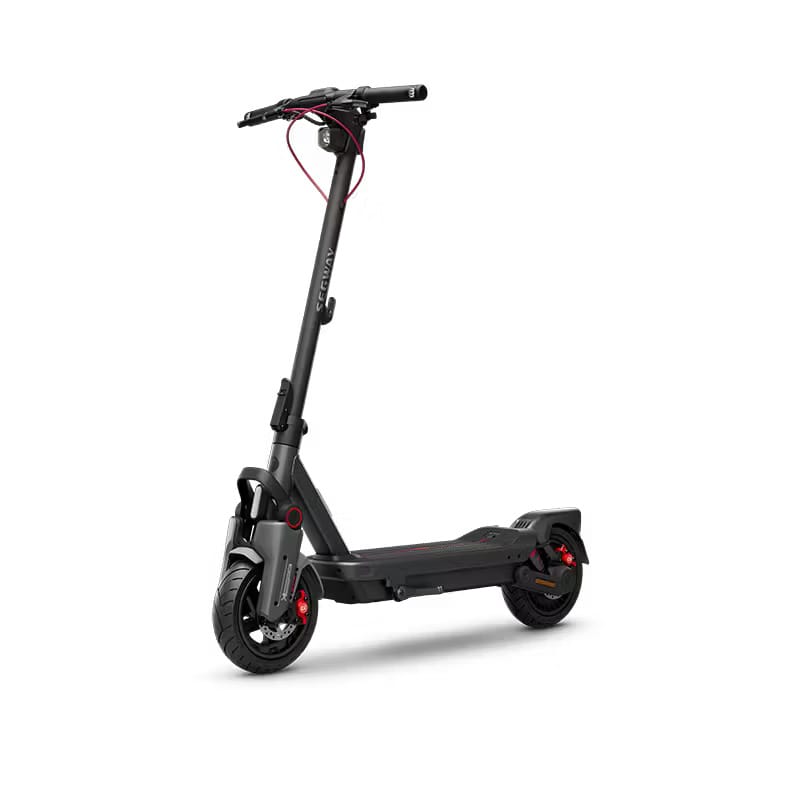
Electric scooters are the default alternative for 90% of people because they require zero specialized skill. If you can stand on a platform, you can ride one. In 2026, the technology has split into two very distinct camps: ultra-lights for people who use mixed transit, and “power commuters” that can actually out-climb a mid-drive ebike.
2026 Electric Scooter Specs Compared
For most riders, electric scooters are the easiest ebike alternative to learn, store, and maintain, which is why they are usually the first category worth comparing.
|
Model |
Weight |
Motor (nominal) |
Top speed |
Real‑world range |
Battery capacity |
Suspension |
Brakes |
|
Segway Ninebot Max G3 |
54.2 lb |
800W (2,000W peak) |
~28 mph |
~35–50 miles |
597Wh |
Dual adjustable hydraulic |
Dual disc + ABS tech |
|
NIU KQi Air |
26 lb |
350W (700W peak) |
~20 mph |
~20–25 miles |
451Wh |
None |
Disc + regenerative |
|
Apollo Go Stellar |
49 lb |
Dual Bosch motors |
~31 mph |
~25–32 miles |
648Wh (21700 cells) |
Dual spring |
Rear drum + regenerative |
The Mechanical Breakdown
- The Segway Ninebot Max G3 is the 2026 heavy-hitter. It has finally addressed the “stiff” ride of previous generations by moving to dual adjustable hydraulic suspension and 11-inch self-healing tires. If your commute involves bad pavement and you want a machine that feels like a tank in its durability, this is the one. The inclusion of ABS (Anti-lock Braking System) tech also makes it one of the safest platforms for riding in wet conditions, depending on where you live, this is major.
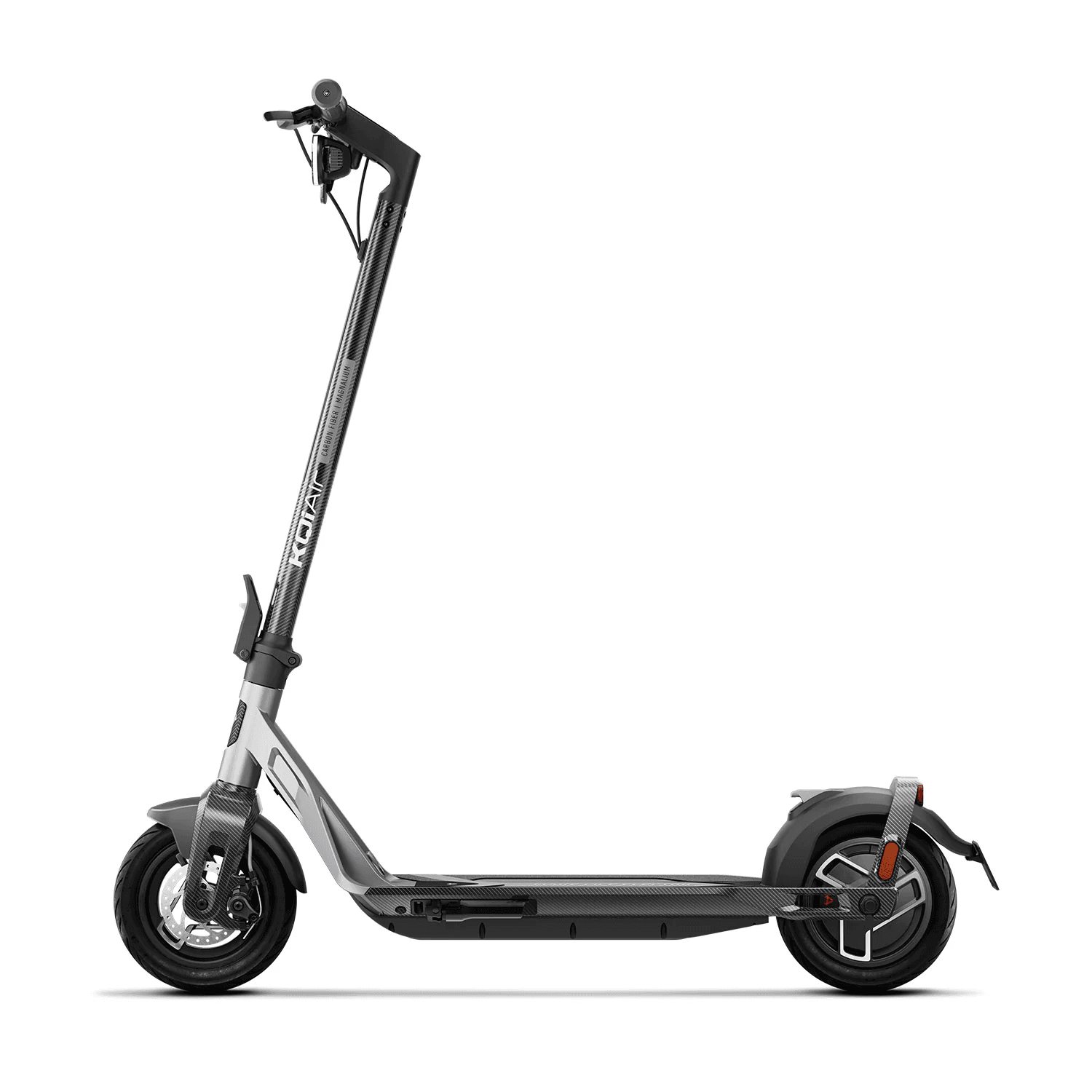
- The NIU KQi Air is the weight-focused choice. By using a full carbon fiber frame, NIU managed to keep this at 26 lbs. It is the only vehicle on this list you can carry with one (Ok.. maybe two) fingers. You lose the suspension, so you will feel every crack in the sidewalk, but for the rider who has to carry their ride into a building or onto a crowded train, it is unbeatable.
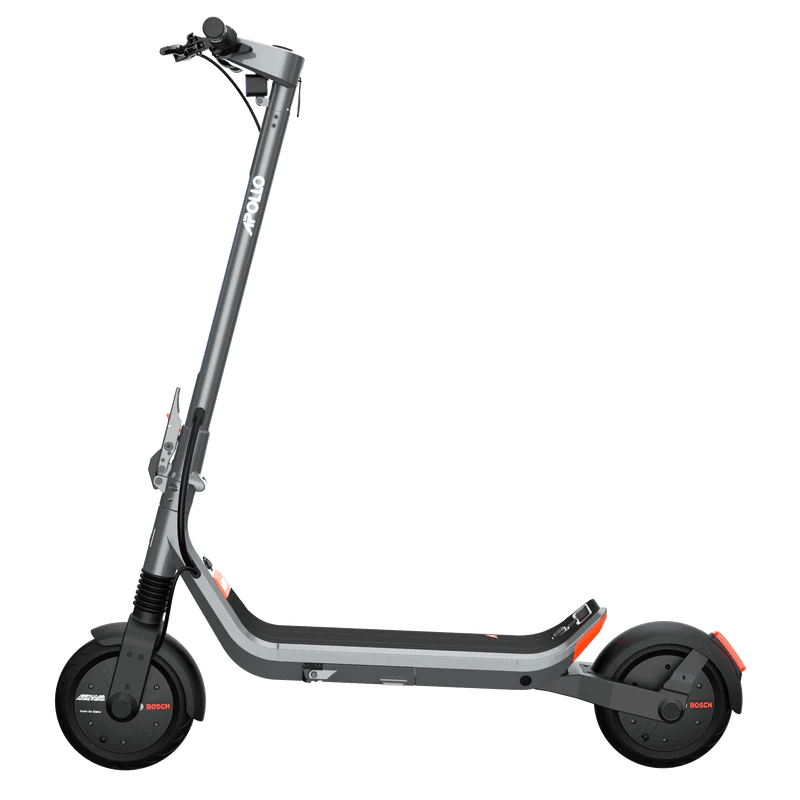
- The Apollo Go Stellar is one of the more interesting moves of 2026. Apollo teamed up with Bosch to provide dual motors that run cooler and quieter than generic hub motors. It hits 31 mph and features a redesigned “DOT 2.0” display that is actually readable in direct sunlight, which is a rarity in the scooter world. It is a dual-motor beast that still weighs less than 50 lbs.
Electric Unicycles: The Most Compact High-Power Ebike Alternative
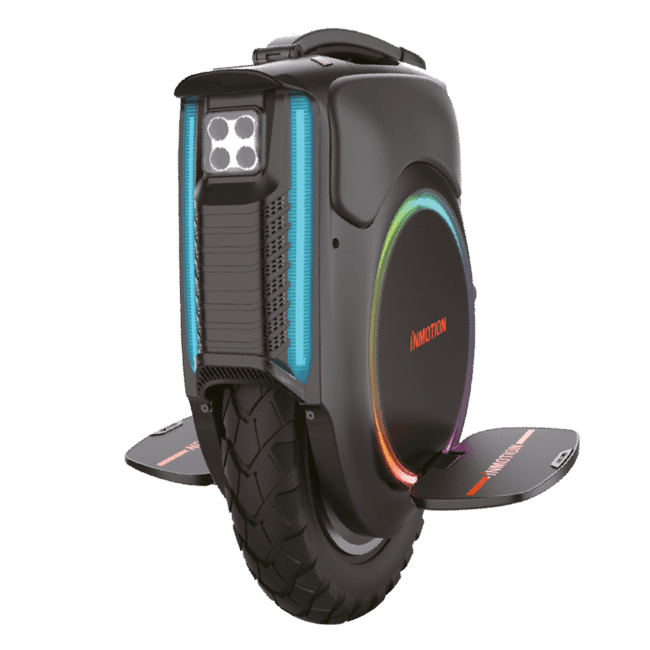
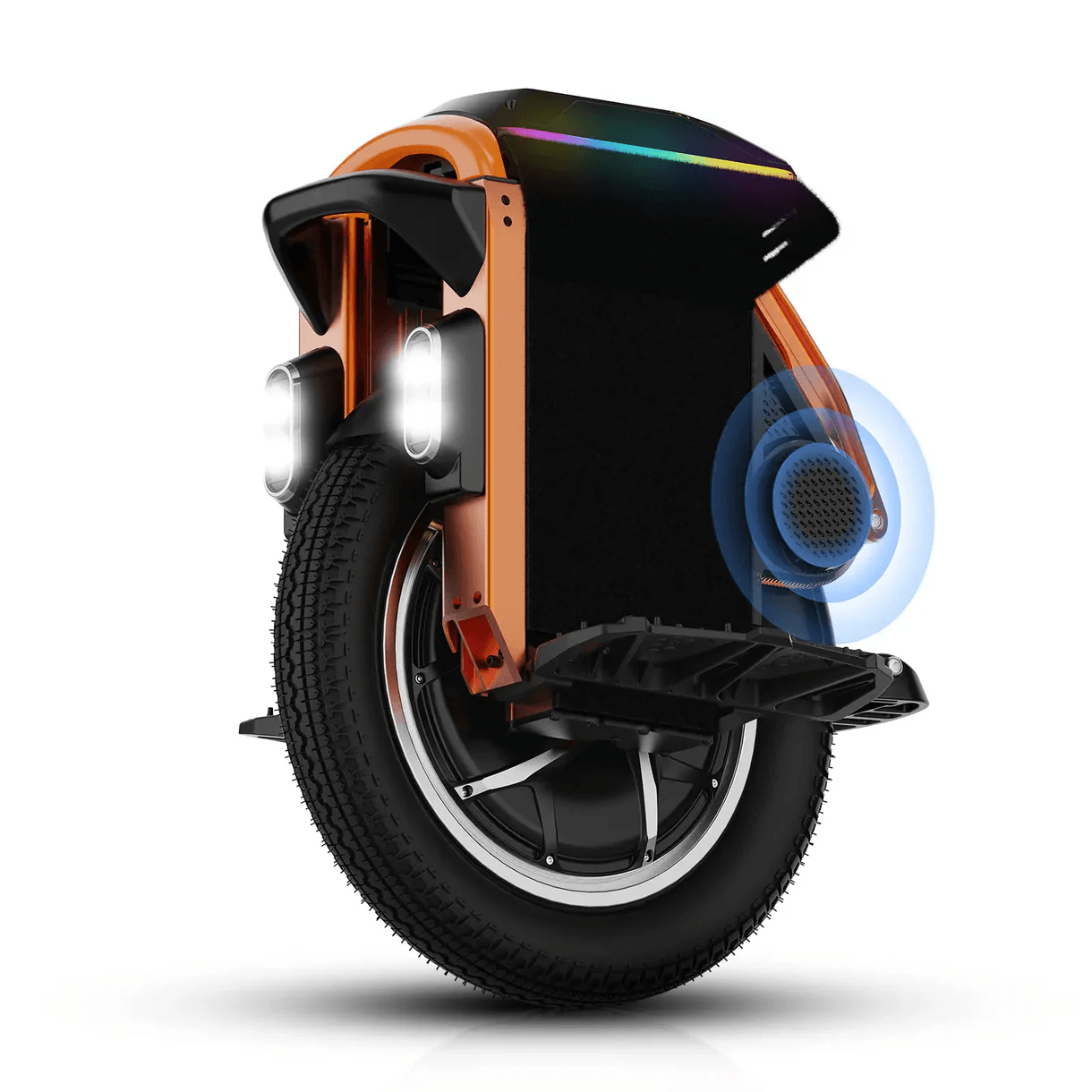
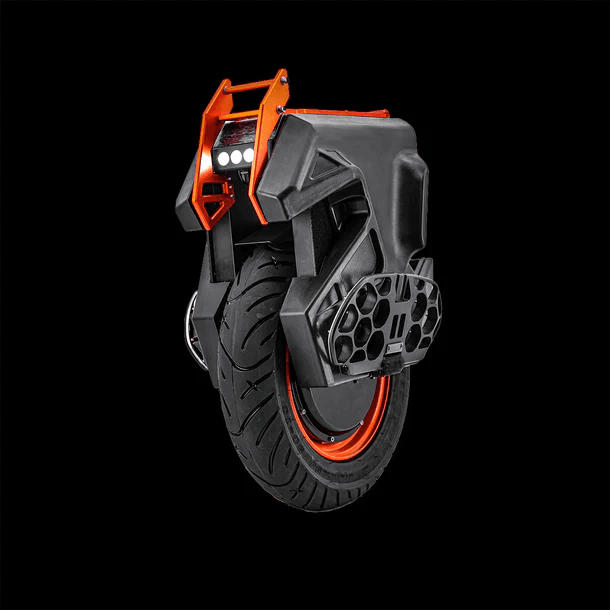
Electric unicycles look like a Roomba that grew up and got a job, but they are actually the most space-efficient vehicles on this list. Brands like InMotion and King Song have moved past the “hobbyist” phase and are now producing some serious commuting tools.
2026 EUC Specs Comparison
These three electric unicycles cover the main performance tiers most riders care about in 2026: high-torque hill climbers, long-range commuters, and more affordable mid-range options.
|
Model |
Weight |
Motor power |
Battery capacity |
Top speed |
Real‑world range |
|
InMotion V12 HT |
65 lb |
2,800W |
1,750Wh |
~37 mph |
~45–65 miles |
|
King Song S16 Pro |
72.7 lb |
3,000W |
1,480Wh |
~37 mph |
~40–55 miles |
|
Begode Falcon |
55 lb |
1,500W |
900Wh |
~31 mph |
~25–35 miles |
The Mechanical Breakdown
- The Tire Advantage: A scooter with 10-inch wheels will struggle with a three-inch pothole. A unicycle with an 18-inch tire will roll right over it. The larger wheel diameter provides a level of stability and comfort that small-wheeled scooters simply cannot match. Once you are up to speed, the gyroscopic effect makes the wheel feel incredibly stable.
- The Efficiency Gap: EUCs are surprisingly efficient. Because they don’t have the mechanical drag of a second wheel or a complex frame, they often get better range-per-watt than scooters or ebikes. The InMotion V12 HT (High Torque) is the 2026 standard for hill climbing, capable of tackling grades that would stall out most budget ebikes.
The Learning Reality:
You cannot just hop on and go. You will need to spend three to five days in a parking lot looking like a baby giraffe learning to walk. But once you “get it,” you have a 35 mph vehicle that takes up less floor space than a briefcase and can be rolled into a grocery store like a piece of luggage.
Electric Skateboards and Onewheels as Niche Ebike Alternatives
Electric skateboards and Onewheels remain popular for recreational use, but they occupy a specific niche in the 2026 commuting world. They offer high portability, but they come with a distinct “Physics vs. Pavement” trade-off.
Because of the lateral (sideways) stance and much smaller wheel diameters, these boards require a higher level of constant focus (and experience) to navigate rough city streets. While an EUC uses a large tire to absorb potholes, the small urethane wheels on a skateboard are highly susceptible to road debris like rocks or cracks. They are excellent for a 2-mile campus commute on smooth asphalt, but for long-distance city transit, they remain a secondary choice behind more stable, large-wheeled platforms.
2026 Verdict: Which Ebike Alternative Actually Fits Your Life?
The truth is that a ride is only as good as the miles you cover and the closet you have to shove it into at the end of the day. In 2026, an ebike is no longer the default choice. It is just one option in a crowded lane. Finding an alternative means picking the right mechanical tool for your specific logistics.
- Choose a Scooter if you want a frictionless, low-maintenance commute. These are for riders who are done with greasy chains and gear adjustments. You can grab the 26 lb NIU KQi Air for a quick train transfer or the Segway Max G3 for tank-like stability on broken pavement. They are simple, reliable, and require zero specialized skill to operate.
- Choose a Unicycle if you want maximum power in the smallest possible footprint. Once you survive the “baby giraffe” learning phase, you get a reward no other vehicle can match. You get 50 miles of range and the stability of a 16-inch tire in a device that fits in a gym locker. It is the ultimate stealth commute for the rider who doesn’t mind a little practice.
The 2026 market isn’t about finding the “best” vehicle on paper. It is about being realistic about the weight you want to lug around and the amount of maintenance you want to do. Pick the tool that matches your commute and your budget.
After all, the goal is to spend more time in the bike lane and less time playing Tetris with a 75-pound bicycle in a tiny elevator.
See you out there!
FAQs: Ebike Alternatives
What is the best ebike alternative for short city commutes?
For most riders with trips under 5 miles, a commuter‑oriented electric scooter is the easiest ebike alternative to live with day to day. Scooters are lighter, simpler to store, and require less maintenance than full‑size ebikes while still offering enough speed and range for typical urban errands and work commutes.
Are electric scooters or ebikes better for commuting?
Electric scooters are usually better for short, dense city commutes where storage, carrying weight, and low maintenance matter more than top speed. Ebikes still make more sense for riders who want to cover longer distances, climb big hills without worrying about range, or prefer a more traditional bike riding position.
Are electric unicycles good ebike alternatives for daily use?
Electric unicycles can be excellent ebike alternatives for experienced riders who want maximum range and power in the smallest possible footprint. They handle potholes better than small‑wheeled scooters and often deliver more range per watt, but the steep learning curve makes them a poor choice for absolute beginners.
Are electric skateboards and Onewheels good for commuting?
Electric skateboards and Onewheels can work for short, smooth commutes, but they are niche ebike alternatives with much less margin for error on rough pavement. Their small wheels, sideways stance, and higher skill requirement make them better suited to 1–2 mile campus rides than to long, mixed‑surface city trips.
How do I choose the right ebike alternative for my commute?
Start by measuring your real daily distance, then decide how much weight you are willing to carry and where the vehicle will live when you are not riding it. Short, multi‑modal city trips tend to favor scooters, power‑and‑storage‑limited riders gravitate toward unicycles, and longer, car‑replacement commutes often push people toward moped‑style platforms.