You Do Not Have to Be a Cyclist to Take a Cycling Vacation
You’ve probably seen the photos: a small group riding past vineyards, stopping for wine at midday, and rolling into a hilltop town before dinner. It looks like a great way to travel. It may also look like something designed for people who already call themselves “cyclists.”
Electric bike vacations largely remove that barrier.
With pedal assist, you still ride, cover real ground, and experience a destination at bike speed — but without worrying that every hill will turn into a fitness test. Guided trips add route planning, luggage transfers, bike support, and local expertise, making the format particularly approachable for first-timers.
Platforms like 57hours bring guided ebike tours from different operators and destinations together in one place, with trips ranging from easygoing rides through Tuscany and Provence to more ambitious cycling adventures.
This guide covers how beginner-friendly ebike vacations work, what pedal assist feels like, what to look for before booking, and how to choose a trip that matches the way you want to travel.
What Is an Electric Bike Vacation and How Is It Different From a Regular Cycling Tour
At its core, an electric bike vacation is a multi-day trip where you cycle between destinations — villages, vineyards, coastal towns — on an electric bike with a motor, with most of the logistics already handled. That’s what tends to surprise first-timers most: you’re not plotting routes, hauling panniers, or working out where to sleep each night. An operator has already solved that.
Most trips fall into one of two formats. In a self-guided tour, you follow a GPS-loaded route or app, your luggage is transferred ahead to the next hotel, and you ride at your own pace, with a local contact on call if something goes wrong. In a fully guided tour, a local guide rides with the group or leads it from a support vehicle, sets the day’s pace, and handles logistics in real time — useful if someone gets tired, has a mechanical issue, or wants to skip a stretch. Both formats typically include accommodation, at least some meals, luggage transfers between stops, and the bike itself.
What you generally won’t need to arrange is a rental car, a stack of paper maps, or a backup plan for a bad day. That’s the real value of booking a package over improvising something similar yourself — someone else has already worked out the logistics, and the electric bike removes the fitness gatekeeping that used to make cycling vacations feel like a “real cyclists only” activity.
Who Will Enjoy an Electric Bike Vacation Most?
Before comparing destinations or operators, it’s worth checking whether this style of travel actually fits what you want. Electric bike vacations tend to work best for:
- Couples with different fitness levels. Assist closes the gap between a partner who cycles every weekend and one who doesn’t, so you’re not touring at two different speeds.
- Active travelers who want to cover more ground than they could on foot, without needing distance-cyclist endurance.
- Travelers in their 40s, 50s, and beyond who enjoy being outdoors and staying active but don’t identify as serious cyclists — and have no interest in becoming one for a week.
- Food and wine travelers who want a leisurely ride between a vineyard, a market town, and a long lunch, not a workout.
- Small groups of friends looking for a shared active vacation that doesn’t require everyone to be at the same fitness level.
- Travelers who prioritize culture and place over athletic challenge — the kind of rider who’d rather stop for twenty minutes at a village church than shave time off a route.
What these trips are not built for: competitive cyclists chasing personal bests, or travelers looking for a high-speed, performance-oriented ride. If that’s the goal, a road-cycling tour built around distance and pace will serve you better than a beginner-oriented electric bike itinerary.
How Much Should You Budget for an Electric Bike Vacation?
Cost is one of the first questions most first-time travelers ask, and it’s a fair one — prices vary by destination, trip length, and how much support is built in. As a rough starting point:
Tour Type | Typical Price Range | Usually Includes |
|---|---|---|
Self-Guided | Approx. $1,500–$2,500 | Bike rental, hotels, route planning, luggage transfers |
Guided | Approx. $2,500–$5,000+ | Guide, accommodations, bike rental, support vehicle, many meals |
Those ranges generally cover the core trip. What they usually don’t cover, and what’s worth budgeting separately for:
- Airfare to and from your starting point
- Gratuities for guides — almost always optional but expected on guided trips
- Travel insurance, which most operators recommend given the logistics of a multi-day trip
- Alcohol — wine tastings and dinners are often included, but drinks are frequently billed separately
- Optional activities like cooking classes or add-on excursions
- Solo traveler supplements — most pricing assumes two people sharing a room, so traveling alone usually adds a single-occupancy fee
Neither format is objectively better. A guided trip costs more because you’re paying for a person — someone managing logistics and handling problems as they happen. A self-guided trip costs less because you’re trading that live support for independence.
Self-Guided Versus Fully Guided Tours
The distinction matters more than the price gap suggests. Self-guided tours hand you a route, move your luggage to the next hotel each day, and leave the riding to you — which suits independent travelers who want flexibility over when they start, how long they linger, and whether they detour for lunch. Fully guided tours put a local expert with the group daily, which suits first-time tour travelers who’d rather not troubleshoot a wrong turn in an unfamiliar country and want someone to lean on if the pace needs adjusting.
Both options can hold equal enjoyment, it’s just a matter of which offers the level of hand-holding you are most comfortable with. And it’s important to be honest with yourself about which makes the most sense for you BEFORE you book.
How Pedal Assist Changes the Touring Experience
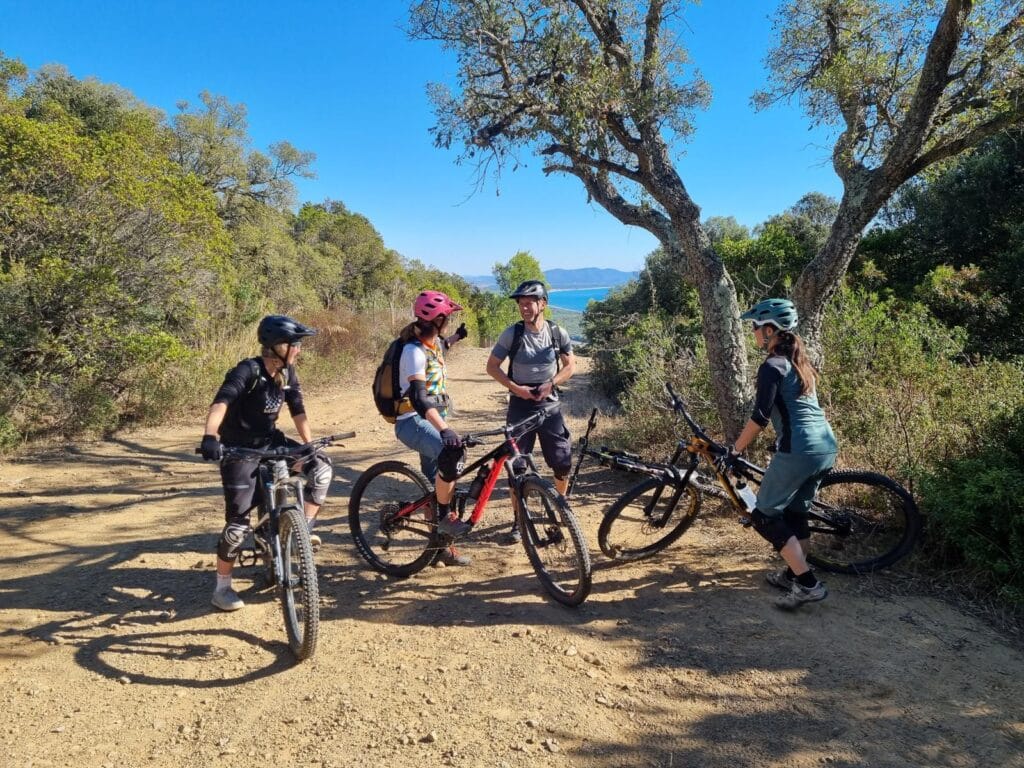
Here’s the scenario that trips people up before they’ve even booked: a long climb — a switchback road thousands of feet above a river valley, for example, or a steep, gradual climb into a hillside town in Northern Tuscany. On a standard bike, that climb might mean standing on the pedals, breathing hard, and quietly wondering if you’re holding up the group. On an electric bike, the same climb becomes something closer to a brisk uphill walk — your legs are still working and your heart rate still climbs, but the ordeal is gone. The motor doesn’t ride the bike for you; it cuts the effort the hill demands, often substantially, depending on the assist level you choose.
This is also where the “isn’t that cheating” question shows up, and it’s worth answering directly. Unequivocally, the answer is no. The point of an electric bike vacation isn’t to prove you can suffer up a mountain pass. It’s to see the destination — the region, its food, its towns — without the ride itself becoming the main event. Plenty of riders on guided tours cycle regularly at home and still choose electric assist for the trip, for the same reason: it lets the vacation be about the place, not about grinding out miles.
Where this impacts your bike ride is pacing. A route that might take a strong cyclist four hours becomes something a moderately active beginner can manage in a similar window, arriving with energy left for the vineyard, the museum, or the beach at the end of the day. That’s the real value of the technology on a multi-day trip — not speed, but stamina management across several consecutive riding days.
What Ebike Assist Levels Mean in Plain Language
Most electric bikes offer a handful of assist settings, often labeled something like Eco, Tour, and Boost (or Low, Medium, High). Skip the spec sheet — think of them as different amounts of help. Low assist feels like a slight tailwind; you’re still doing most of the work. Medium takes the edge off a real climb, turning what would be a grind into a steady push. High is for the steep stuff, when you want the bike carrying more of the load so you can look around instead of watching your front wheel. You choose the setting per hill, per day, per how you’re feeling — nobody is locked into one mode for the whole trip. That flexibility is the point: you’re never stuck being “too slow” or “showing off.” You’re just riding at whatever effort you want.
What to Look For Before You Book Your First Ebike Tour
Once you know this style of trip fits you, the next skill is evaluating a specific tour before you commit money to it. A few concrete things worth checking:
- Daily distance and elevation profile. For a first electric bike vacation, look for daily distances in the 30–45 km (20–28 mi) range and a stated difficulty of “Easy” or “Easy to Moderate.” Be honest with yourself about how those numbers feel — a flat 45 km day rides very differently from a hilly 30 km one, even with pedal assistance.
- Luggage transfer availability. If your bag moves ahead to the next hotel, you ride with just a daypack. That single detail changes how a multi-day trip feels more than most people expect.
- Guide availability versus self-guided format. Decide upfront which one you actually want, rather than defaulting to whichever comes up first in search results.
- Group size. Smaller groups mean more attention per rider if something goes wrong — a mechanical issue, a rough day, a question about the route. A tour capped at six to eight people supports riders differently than one running eighteen or twenty.
- Bike fit and equipment support. Ask directly whether the operator does pre-ride bike fitting and whether helmets are included or a paid add-on. It’s a fair question to ask before booking, not after.
- Cancellation and flexibility policies. First-time tour buyers are often more nervous about committing money to something unfamiliar than repeat travelers are. Read the refund tiers before you pay a deposit, not after.
Feature | Guided Tour | Self-Guided Tour |
|---|---|---|
Daily support | Tour guide | GPS/navigation app |
Group experience | Yes | Usually no |
Route planning | Included | Included |
Flexibility | Less | More |
Best for | First-time travelers | Independent travelers |
Worth knowing: not every tour labeled “beginner-friendly” is equally easy. A trip billed “Easy to Moderate” with 45 km days and real elevation gain is a different experience than one described simply as “Easy” on flat terrain. Matching the specific tour to your specific fitness level matters more than trusting the word “beginner” on its own.
The Best Regions in Europe for a First Ebike Vacation
Europe isn’t the only place running guided electric bike vacations, but it does have the deepest bench of established routes, cycling-friendly hotels, and operators experienced with first-time riders. A few regions worth knowing as you start looking:
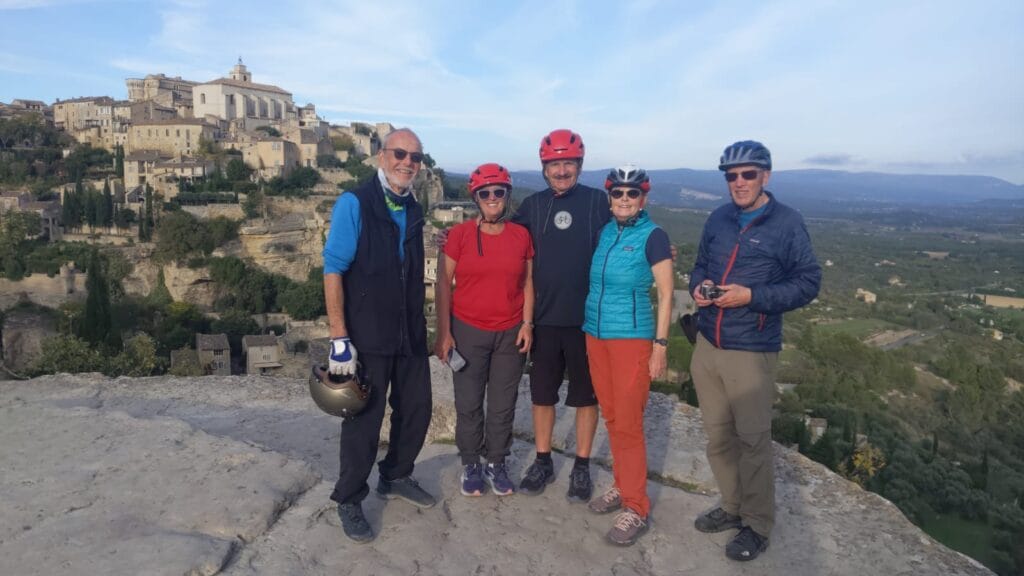
Provence and the Loire Valley, France. Provence pairs mostly flat, quiet roads with lavender fields, hilltop villages, and wine stops, making it one of the more approachable regions for a first trip — popular enough that operators here have plenty of experience with beginner groups. The Loire Valley swaps Provence’s lavender fields and Mediterranean feel for châteaux and slow river paths, with similarly gentle terrain.
Tuscany, Italy. Tuscany’s terrain is genuinely hilly, which is exactly where electric assist earns its keep — climbs into hilltop towns that would be an intense workout unassisted become manageable. Look specifically for tours labeled “Easy” or “beginner-friendly” here, since Tuscany also runs plenty of genuinely demanding road-cycling routes aimed at fitter riders.
The Danube Cycle Path, Austria and Germany. One of Europe’s most established multi-day cycling routes, running largely flat along the river through towns like Passau, Linz, and Vienna. It’s a common starting point for travelers who want scenery and history without much elevation to manage.
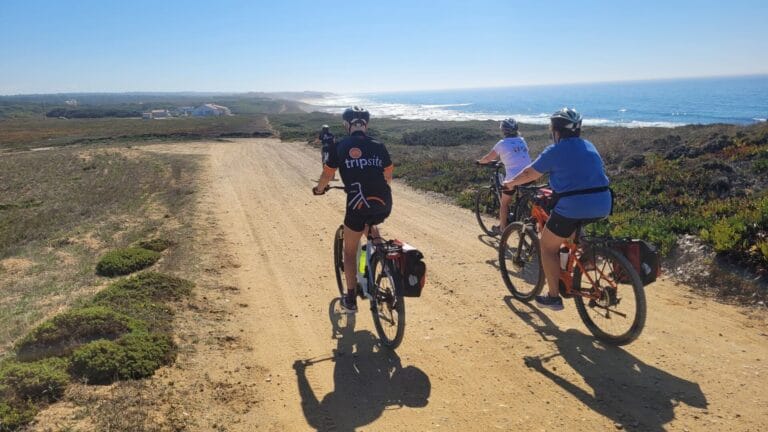
The Algarve, Portugal. Coastal, warm for much of the year, and increasingly set up for cyclists who want a mix of beach towns and cliffside riding without constant climbing.
These aren’t the only places to do this kind of trip — electric bike vacations exist well beyond Europe — but they’re a reasonable starting point if you’re deciding where to look first.
How to Find a Reputable Guided Ebike Tour Without Spending Hours Researching
Here’s the practical problem once you’re ready to actually book: searching “guided ebike tours europe” returns hundreds of individual operator sites, each with its own format, its own way of describing difficulty, and no easy way to compare two trips side by side. One operator calls a trip “moderate” with the real details buried in a PDF; another calls a much easier trip “challenging” for marketing reasons. Comparing them by hand takes hours you probably don’t have.
This is the specific problem a curated booking platform solves, and it’s why we point beginners toward 57hours rather than sending them into open web search. The platform vets operators before listing them, standardizes how difficulty, inclusions, and group size are displayed across every trip, and lets you filter directly by activity, destination, and experience level so you can search specifically for “Easy” or “Easy to Moderate” electric bike tours instead of reading through twenty operator pages to find that one detail. That doesn’t mean every reputable tour on the internet is listed there; it means it’s a genuinely beginner-friendly place to start comparing real options instead of guessing from marketing copy.
Whichever platform or operator you end up booking through, the criteria from the previous section — distance, group size, luggage support, cancellation terms — still apply. A good platform just makes it faster to check them.
Real Ebike Tour Examples Worth Looking At
To make this concrete, here are three current listings on 57hours that illustrate what a genuinely beginner-appropriate electric bike vacation looks like in practice. Availability and pricing change regularly, so treat the specifics as a snapshot rather than a guarantee.
E-Bike Tour in Provence, France: Discover Its Timeless Charm (From $4,082) — An 8-day guided trip rated “Easy,” with days up to 60 km (37 mi) on mostly flat, quiet roads and covered by e-bike assist. It includes a local guide, a support van, hotel stays, most breakfasts and dinners, and luggage transfers — a reasonable template for what “beginner-friendly and fully guided” looks like toward the higher end of the price range.
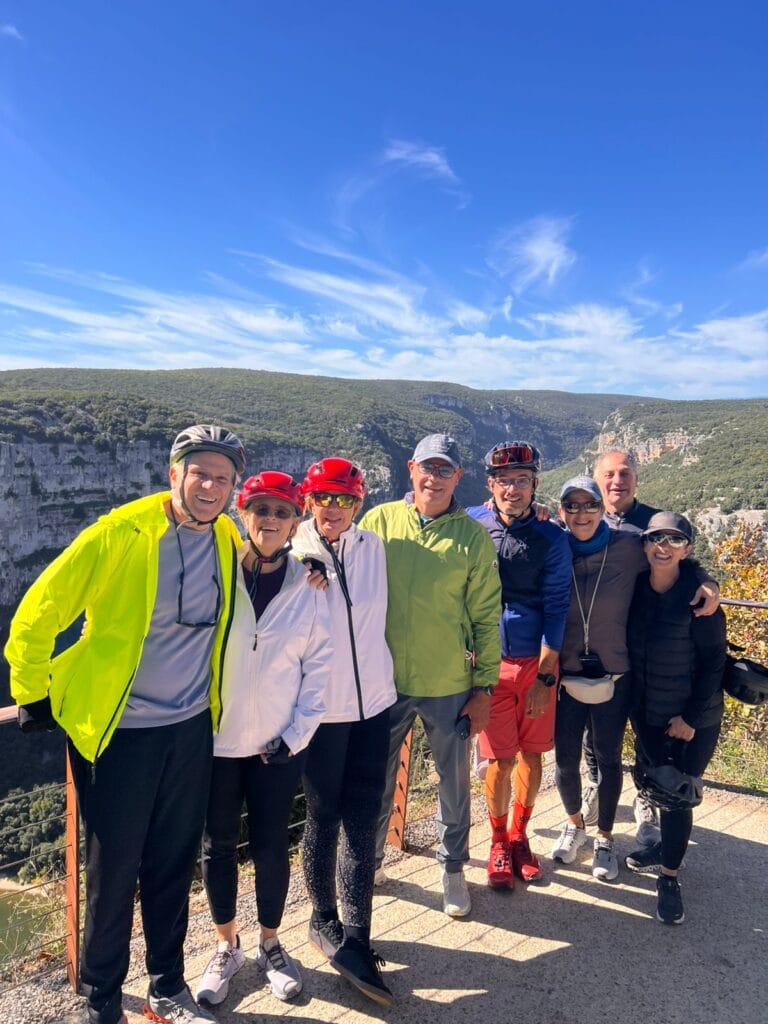
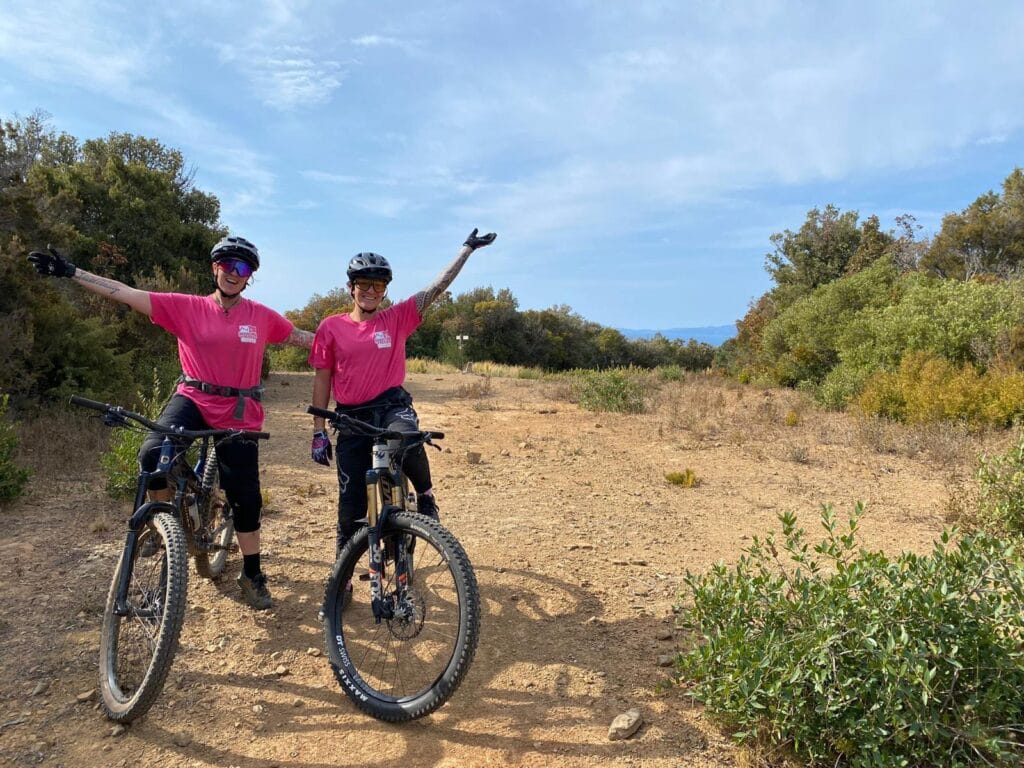
E-Bike & Eat Like a Local: Agriturismo Adventure in Tuscany (From $2,803) — A 7-day trip explicitly described as open to beginners, with 4–5 hours of riding per day and a guide who adjusts the route to the group’s fitness level. It’s based at a single working farm rather than moving hotels nightly, and caps at a small group size, which suits travelers who want more guide attention and less daily logistics.
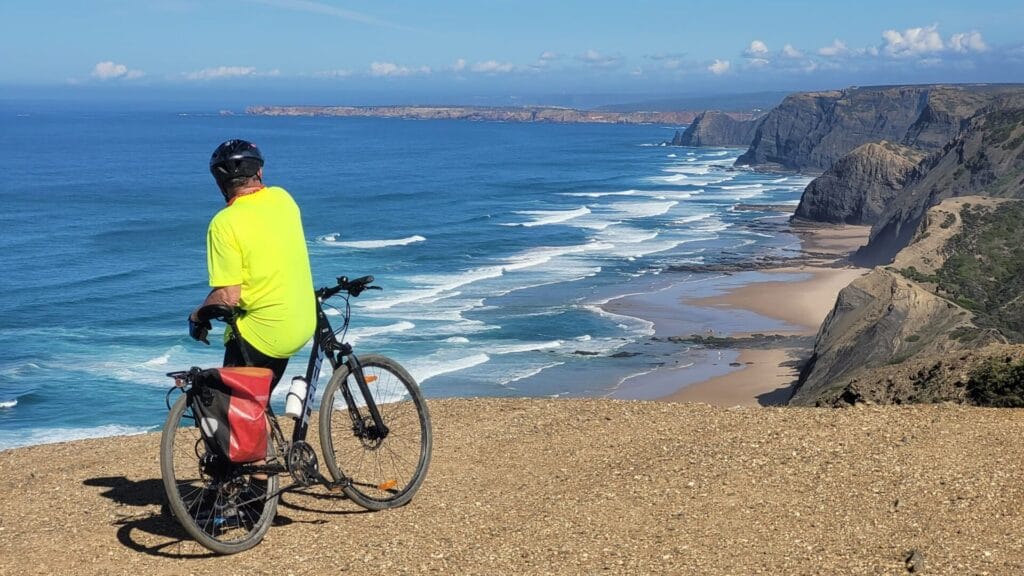
Vicentine Coast and Algarve Bike Holidays in Portugal (From $3,250) — An 8-day, beginner-friendly coastal route from Lisbon to Lagos, up to 45 km (28 mi) a day on mostly flat terrain with a few short climbs. The standard package uses a regular bike, with electric assist available as an add-on — worth flagging if pedal assist is the specific reason you’re considering this kind of trip.
Each of these differs in structure — one moves between hotels nightly, one bases from a single farm, one adds electric assist rather than building it in by default — which is exactly the kind of variation worth comparing before you pick one.
Common Questions First-Time Ebike Tour Riders Ask
Do I need to be fit to do an ebike tour? You need average, everyday fitness, not athletic training. Assist is specifically there to handle the part that would otherwise require serious conditioning.
If I’ve never ridden an electric bike before, do I need to practice first? A little practice never hurts, but for most riders, it’s not a requirement. Your guides will typically walk you through the bike and take you on a short orientation ride before the tour gets underway. The controls are straightforward, and most people get the hang of them quickly. One prerequisite probably goes without saying: you should already know your way around a bicycle.
What happens if I get tired or fall behind the group? On a guided tour, a support vehicle typically shadows the route, so you can hop in for a stretch and rejoin later — one of the clearest advantages guided tours have over going it alone.
Is it safe to ride in traffic in a foreign country? Reputable operators route around high-traffic roads wherever possible and brief riders on local road rules before you start. It’s a fair question to ask an operator directly before booking.
What should I pack for a multi-day ebike tour? Layered, moisture-wicking clothing, a rain layer, comfortable shoes, and a daypack for whatever you need during the ride, since your main luggage travels separately.
What if it rains? Multi-day tours generally continue rain or shine, with route adjustments if conditions turn genuinely unsafe. Pack for it rather than hoping around it.
Can couples with different fitness levels ride together? Yes — it’s one of the main reasons electric bike vacations exist. Assist lets a less-conditioned rider keep pace without the stronger rider slowing down artificially.
What happens if my ebike has a mechanical problem? Guided tours typically include mechanical support and access to a spare bike or parts; ask specifically about this if it isn’t stated on the tour page.
Are helmets and other equipment usually included? Sometimes, sometimes not — it varies by operator, which is exactly why it belongs on your pre-booking checklist rather than something to assume.
Do I need travel insurance for an ebike tour? Most operators recommend it, and many offer it directly at checkout, given the logistics — multiple hotels, transfers, activity risk — built into a multi-day trip.
Ready to Start Planning Your First Ebike Vacation?
You don’t need to think of yourself as a cyclist to enjoy a cycling vacation. That’s much of the appeal of an ebike tour: you still get the freedom and immersion of traveling by bike, while pedal assist makes distance and hills considerably less intimidating.
When you’re ready to compare trips, focus on the things that will shape your experience most: daily mileage, difficulty, group size, luggage support, and how much assistance is available along the way.
57hours is a useful place to start. You can browse guided ebike trips by destination and difficulty, compare different experiences, and narrow the options to something that fits your comfort level. Start with a place you’d genuinely like to explore, look for an easy or beginner-friendly itinerary, and go from there.
If your idea of a great vacation involves fresh air, spectacular views, and exploring under your own power, an ebike is hard to beat. But be forewarned: serious FOMO from your closest friends is a very real side effect.