When you’re shopping for a fat-tire ebike in the $1,000 range, you’re usually trying to balance a mechanical paradox: rugged performance and convenient portability. Most people buy a folding fat bike because they want the “do-everything” capability of a monster truck but the convenience of something that fits in a trunk or an RV.
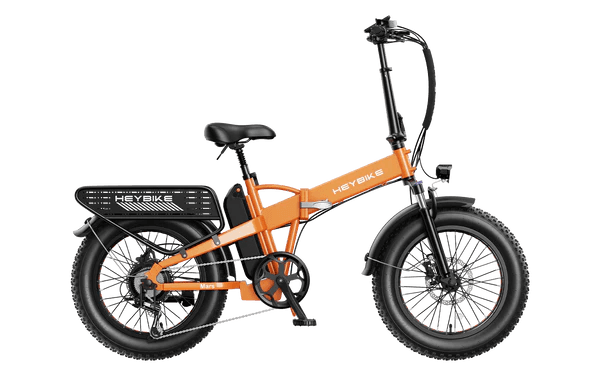
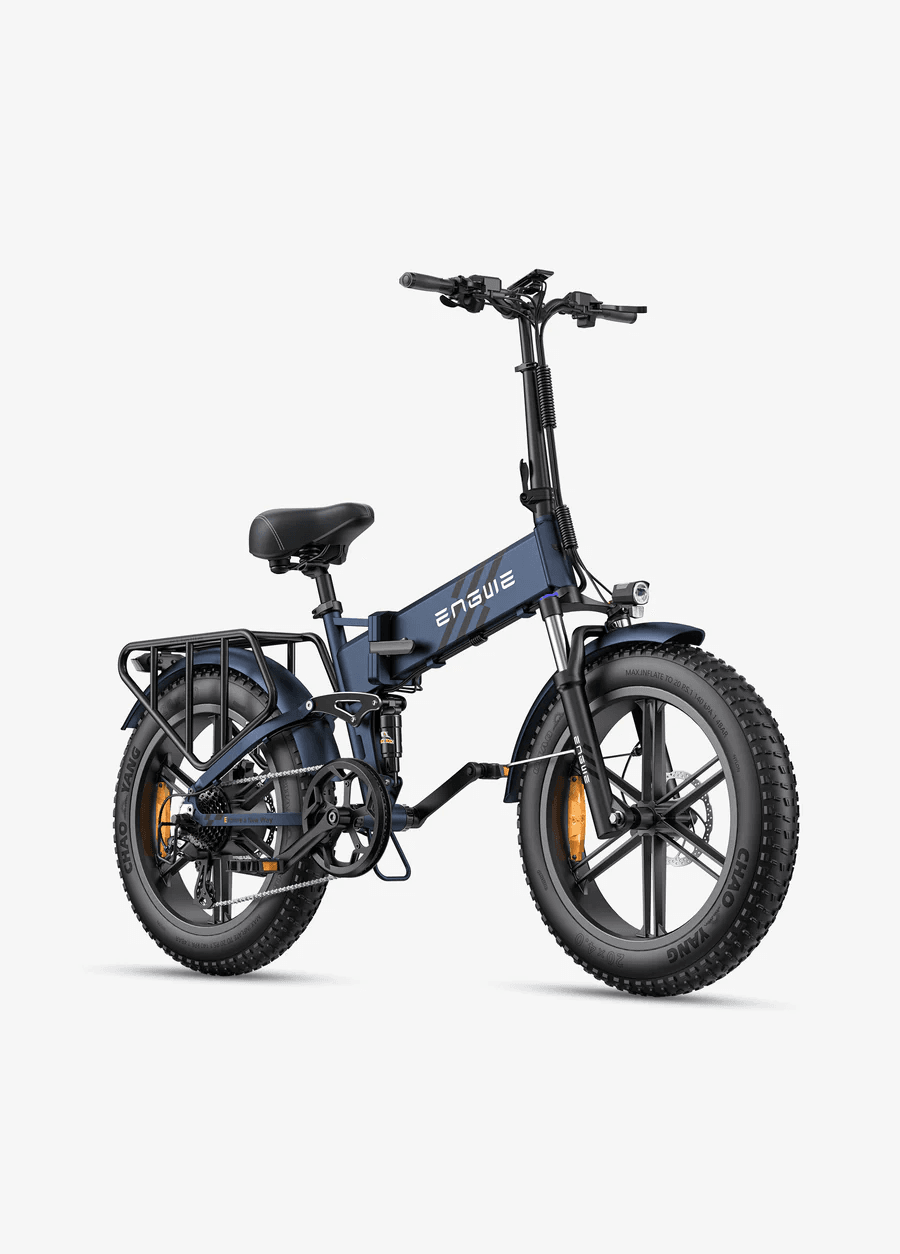
In 2026, the Engwe EP-2 3.0 and the Heybike Mars 2.0 are the two dominant players in this category. Both bikes hover around the $999 mark and look nearly identical from twenty feet away, but the riding experience is worlds apart. One is a tech-forward machine with a refined, “human” feel, while the other is a raw powerhouse that prioritizes torque and customizability.
Here is how these two budget fat-tire folders actually stack up once you get them out of the box.
Engwe EP-2 3.0 vs Heybike Mars 2.0: Specs at a Glance
This side‑by‑side spec sheet shows how the Engwe EP‑2 3.0 vs Heybike Mars 2.0 compare on motor power, torque, battery size, frame, suspension, and brakes before you ever turn a pedal.
Feature | Engwe EP-2 3.0 (Boost) | Heybike Mars 2.0 (750W) |
Approx. Price | ~$999 | ~$999 |
Motor (Peak) | 750W (1,500W Peak) | 750W (1,400W) or 1000W (1,800W) |
Torque | 90 Nm | 80 Nm (750W) / 100 Nm (1000W) |
Sensor Type | Torque Sensor | Cadence Sensor |
Battery | 720Wh (Removable) | 600Wh (Removable) |
Frame Material | Magnesium Alloy | 6061 Aluminum |
Suspension | 50mm Hydraulic Lockout | 65mm Spring Fork |
Brakes | Hydraulic Disc | Mechanical Disc (Hydraulic on 1000W) |
Charging | 2-Hour Fast Charging | Standard (6+ Hours) |
Payload | 330 lbs | 330 lbs |
The Biggest Difference: Torque vs. Cadence Sensing
If you take nothing else away from this folding fat‑tire ebike comparison, remember this: the Engwe EP-2 3.0 uses a torque sensor, while the Heybike Mars 2.0 uses a cadence sensor.
In 2026, the move to torque sensors in budget bikes is the “big leap” we’ve been waiting for. A cadence sensor is essentially an on/off switch: it waits for the pedals to spin, then kicks the motor in like a mule. It can feel jerky in traffic and unpredictable on hills. The Engwe’s torque sensor measures how hard you are actually pushing. If you pedal gently, it gives you a nudge. If you hammer the pedals, it provides the full 750W “Boost.” This makes the Engwe feel like a high-end bike that responds to your body, whereas the Mars 2.0 feels like you are riding a scooter that happens to have pedals.
Braking and Safety on the Engwe EP-2 3.0 vs Heybike Mars 2.0
At 75 pounds, these aren’t the kind of ebikes you’re going to casually fold up and toss in the back of a car every morning. Because of that massive heft (plus the weight of the rider) these bikes carry an incredible amount of momentum once they are up to speed.
Stopping that much weight requires consistent, reliable force, and this is where the hardware choices really start to matter:
Engwe EP-2 3.0: Comes standard with dual-piston hydraulic disc brakes. This is a “non-negotiable” for us on heavy fat-tire bikes. Hydraulic brakes offer better modulation, meaning you have fine-tuned control over your stopping power without the “all-or-nothing” feeling of cables.
Heybike Mars 2.0 (750W): Still uses mechanical disc brakes. To get hydraulic brakes on the Mars, you have to upgrade to the 1000W version (typically an extra $100 to $200).
- Expert Tip: If you live in a rainy climate or have a hill-heavy commute, the mechanical brakes on the 750W Mars will require frequent adjustments as the cables stretch and pads wear. The Engwe’s hydraulic system is essentially “set and forget” for several hundred miles.
Battery, Range, and Charging: Engwe EP-2 3.0 vs Heybike Mars 2.0
Engwe has pulled ahead in the “logistics” department with their 2026 lineup. The EP-2 3.0 includes a 4A fast charger that can juice up the 720Wh battery in about 2 to 3 hours. For most budget ebikes (including the Mars 2.0), you are stuck with a 2A “snail” charger that takes 6 to 8 hours for a full charge. That fast‑charge setup is one of the main reasons the Engwe review landscape keeps calling it a “logistics upgrade” over the Heybike.
The Engwe also has a larger battery capacity (720Wh vs. 600Wh). While “claimed range” is always optimistic, that extra 120Wh of capacity translates to about 5 to 10 miles of extra real-world range, which is critical for heavier riders or those of us who are a little aggressive on the throttle.
Ride Comfort on Folding Fat-Tire Ebikes: Magnesium vs Aluminum Frames
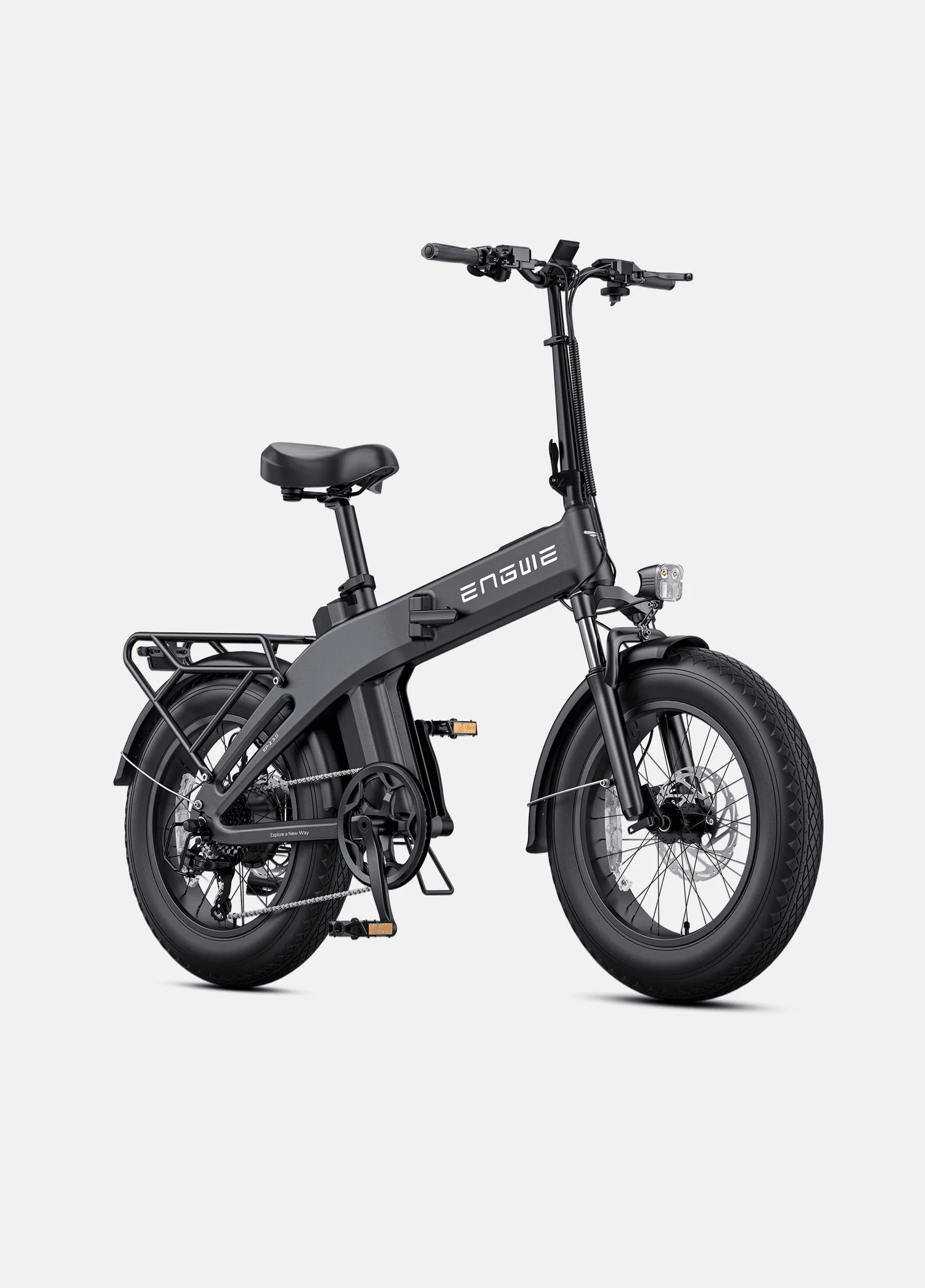
The Engwe EP-2 3.0 uses a magnesium alloy frame with a step-through design. Magnesium is generally better at dampening road vibration than aluminum, giving it a slightly smoother feel on rough pavement. It features a 50mm hydraulic suspension fork with lockout for stability.
The Heybike Mars 2.0 uses a traditional 6061 aluminum frame and a slightly longer 65mm spring fork with preload adjustment. This gives the Mars a bit more “squish” on big bumps, but the frame can feel a bit more flexy under more extreme riding.
- Expert Tip: The Heybike Mars 2.0 frame has a slightly more “modular” rear rack with pegboard attachments for accessories. If you plan on bolting on a lot of customized gear (baskets, side bags, or tools), the Heybike might have the edge in utility layout.
Newer Versions and Upgrades: Engwe Engine Pro 2.0 and Heybike Mars 3.0 in 2026
If the $999 price tag isn’t your primary constraint, both brands have expanded their 2026 lineups with bikes that solve the common “budget” gripes like rear-end stiffness and charging speed.
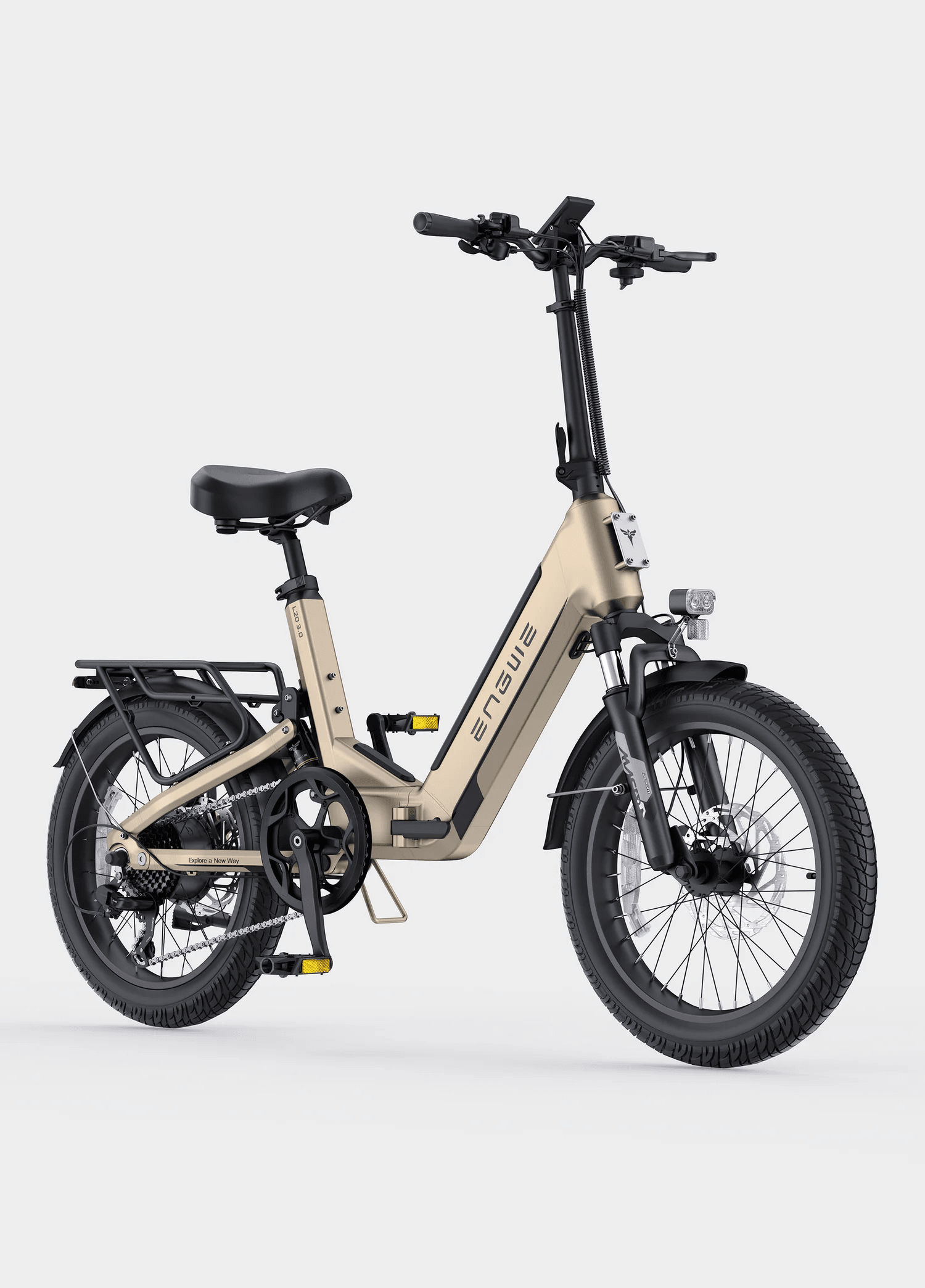
Engwe Engine Pro 2.0 and L20 3.0
The Engine Pro 2.0 (~$1,699) is the “big brother” to the EP-2. It keeps the folding fat-tire soul but adds a full-suspension system that Engwe claims reduces road shock by 87%. It also upgrades to a 52V 16Ah (832Wh) battery, giving you significantly more high-end speed and hill-climbing endurance than the 48V system on the EP-2 3.0.
If you prefer a step-through frame with some serious cargo potential, the L20 3.0 (~$1,399) is the standout. It features a 1500W Peak Hub Motor that delivers 90 Nm of torque. It also includes 8A fast charging, meaning you can go from zero to a full charge in just two hours. This is the choice if you want the high-tech, integrated feel of an IOT-enabled bike (GPS and 4G) without losing the “adventure” capability of a fat-tire platform.
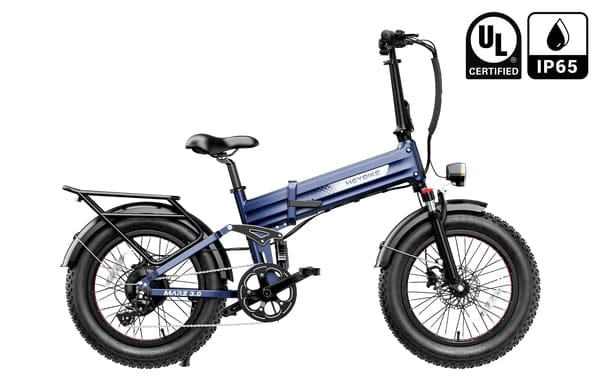
Heybike Mars 3.0
The Mars 3.0 (~$1,199) is a complete ground-up rethink of the Mars series. The biggest mechanical leap is the move to a Horst Link full-suspension system. Unlike the rigid rear end of the Mars 2.0, the 3.0 uses a pivoting rear triangle to soak up curbs and potholes.
Heybike also finally caught up on tech: the 3.0 features a torque sensor, an upgraded 1400W peak motor (95 Nm), and a massive 440-pound payload capacity. It also includes modern security features like NFC unlock and a color TFT display. If you were eyeing the Mars 2.0 but wanted better comfort and higher hauling limits, the 3.0 is the logical step up.
Final Verdict: Which Folding Fat-Tire Ebike Should You Buy?
Choose the Engwe EP-2 3.0 if: You want the most “human” riding experience. The combination of a torque sensor, hydraulic brakes, and fast charging makes this a significantly better value on paper. It feels like a $1,500 bike that happens to be on sale for $999. It is the better choice for commuting and riders who actually enjoy the feeling of pedaling.
Choose the Heybike Mars 2.0 if: You want the 1000W powerhouse option ($1100). If you ignore the 750W model and go for the 1000W Mars 2.0, you get hydraulic brakes and a massive 100 Nm of torque. This is for the rider who doesn’t care about a “natural” pedal feel and just wants to blow past traffic using the throttle. Just realize, you’re adding an extra $100 to the cost of the bike if you opt for the bigger motor.
The Bottom Line: For $999, the Engwe EP-2 3.0 is the more refined, safer, and faster-charging tool. Unless you really need the extra grunt of the Heybike’s 1000W motor, the Engwe is the smarter buy for 2026.
Now go put those fat tires to the test and remember: you bought the folding frame for the space, but you bought the torque for the fun. See you out there!