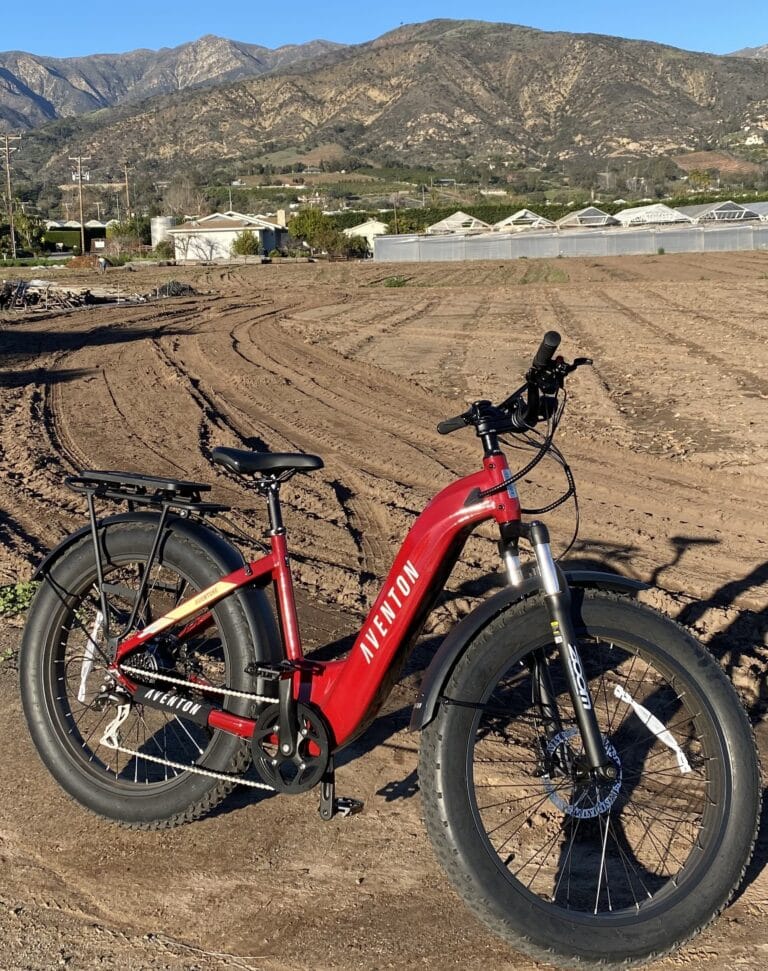
You can spend $800 on an ebike or you can spend $8,000 on one, and both will technically get you to work. The gap between those two numbers is where most of the confusion lives. An ebike is not one product at a fixed price. It is a category that stretches from a cheap folding commuter to a carbon performance machine, and the sticker is only the first thing you pay for.
So how much does an ebike cost? For most people the honest answer is somewhere between $1,000 and $3,000 for a bike worth keeping. Below that you start trading away battery quality and brakes. Above it you are paying for lighter frames, better motors, and a brand that will still answer the phone in three years. This guide covers both halves of the question: what you pay at checkout and what the bike keeps costing you after you ride it home.
Average Ebike Price by Category
Different jobs come with different price tags. A folding bike for the train platform and a cargo bike that hauls two kids are priced for two different lives. Here is roughly what each category runs in 2026.
|
Category |
Typical Price Range |
Best For |
What You Usually Get |
|
Budget commuter |
$999–1,800 |
First-time buyers, flat city routes |
Hub motor, basic components, smaller battery |
|
Folding |
$600–1,500 |
Small spaces, train and bus combos |
Compact frame, modest range, lower weight limit |
|
Fat tire |
$1,200–2,500 |
Sand, snow, rough trails, comfort riders |
Wide tires, hub motor, heavier frame |
|
Cargo |
$1,400–3,000 |
Hauling kids, groceries, replacing car trips |
Sturdy frame, bigger battery, higher payload |
|
Lightweight |
$1,500–4,000 |
Carrying upstairs, easy handling, longer rides |
Lighter frame, smaller motor, less bulk |
|
Mid-drive |
$2,295–5,000 |
Hills, mixed terrain, longer commutes |
Centered motor, torque sensing, better balance |
|
Premium commuter |
$3,000–5,000 |
Daily riders who want polish and support |
Integrated lights, belt drive, strong warranty |
|
Electric mountain bikes |
$2,500–12,000 |
Trails, climbs, technical terrain |
Full suspension, powerful motor, trail geometry |
Treat these as ranges, not promises. Sales, new model years, and tariffs can shove any of these numbers around by a few hundred dollars in either direction. Premium cargo and ultralight mountain builds can also run well past the top of their ranges once you reach the boutique end of the market.
Why Do Ebike Prices Vary So Much?
People ask why ebikes are so expensive, and the fair answer is that you are buying a bike and a small electric vehicle bolted together. Each part of that combination has a budget version and a premium version, and the price is the sum of every choice the manufacturer made.
The motor is the first fork in the road. A simple rear hub motor is cheaper to build and works fine on flat ground. A mid-drive motor sits at the cranks, reads your pedaling through a torque sensor, and handles hills with far more grace. It also costs more to make and pushes the whole bike into a higher bracket. The battery is the next big lever. A larger pack with quality cells from a known manufacturer costs a lot, and it is the single component that is most responsible for both range and safety.
After that the price reflects the parts you would scrutinize on any bike. Hydraulic disc brakes stop better than cheap mechanical ones and cost more. A name-brand drivetrain shifts cleaner and lasts longer. Suspension, frame material, and integrated lighting all add up. The least glamorous factor matters just as much: brand support. A serious company backs its warranty, stocks spare parts, and ships batteries certified to UL standards. All of that costs money to run, and the price reflects it. A no-name brand selling through a marketplace skips those costs, which is why its price looks so good in year one and so bad in year two.
Cheap vs Expensive Ebikes
A cheap ebike is not automatically a bad ebike. But a low price always comes from cutting something, and it helps to know which corners got cut before you find out the hard way.
The savings on a bargain bike usually come out of the parts that matter most. Batteries shrink and use lower-grade cells, which means less range and a shorter lifespan. Brakes drop from hydraulic to basic mechanical, which you notice on the first wet downhill. Components get heavier and cheaper, the frame puts on weight, and the warranty turns into a phone number nobody answers. None of that shows up on the spec sheet next to the low price.
That said, a budget ebike makes sense for plenty of riders. A sub-$1,500 bike is a sensible entry point if your route is short and flat and you mostly want to know whether ebike life is for you before committing. The trick is buying from a brand with a proper presence and certified batteries rather than the cheapest listing you can find. Spend a little more than rock bottom and you skip the worst of the compromises while keeping most of the savings.
How Much Does an Ebike Cost to Own?
The sticker price is only the start. Owning an ebike costs far less than owning a car, but it is not free. Most riders spend between $200 and $400 a year keeping a daily ebike healthy, which works out to roughly 10 to 18 cents per mile.
Maintenance is the largest recurring cost. A casual rider might spend $150 to $300 a year on tune-ups and small fixes. A daily commuter lands closer to $300 to $500, and a heavily ridden mountain or cargo bike can run higher. Shop tune-ups themselves usually cost between $90 and $220 depending on how much the bike needs.
Then there are the parts that wear out on a schedule:
- Battery replacement: $300 to $800 for most bikes, climbing past $1,000 for premium systems. A good battery lasts three to five years, so this amortizes to roughly $70 to $140 a year.
- Tires: $50 to $200 per tire installed, with fat tires at the top of that range. Budget $30 to $70 a year.
- Brake pads: $15 to $50 for a DIY set, more with shop labor, and they need replacing every 1,000 to 3,000 miles.
- Electricity: about $10 to $30 a year. Charging an ebike is one of the cheapest things you will ever plug in.
- Insurance and locks: theft-only coverage runs $75 to $150 a year, comprehensive policies $150 to $400, and a serious lock is a one-time $40 to $150.
Add it up and a typical commuter spends a few hundred dollars a year to keep a good ebike running. Set that against what a car costs in fuel, parking, and repairs and the difference is very obvious.
Common Ebike Accessories to Budget For
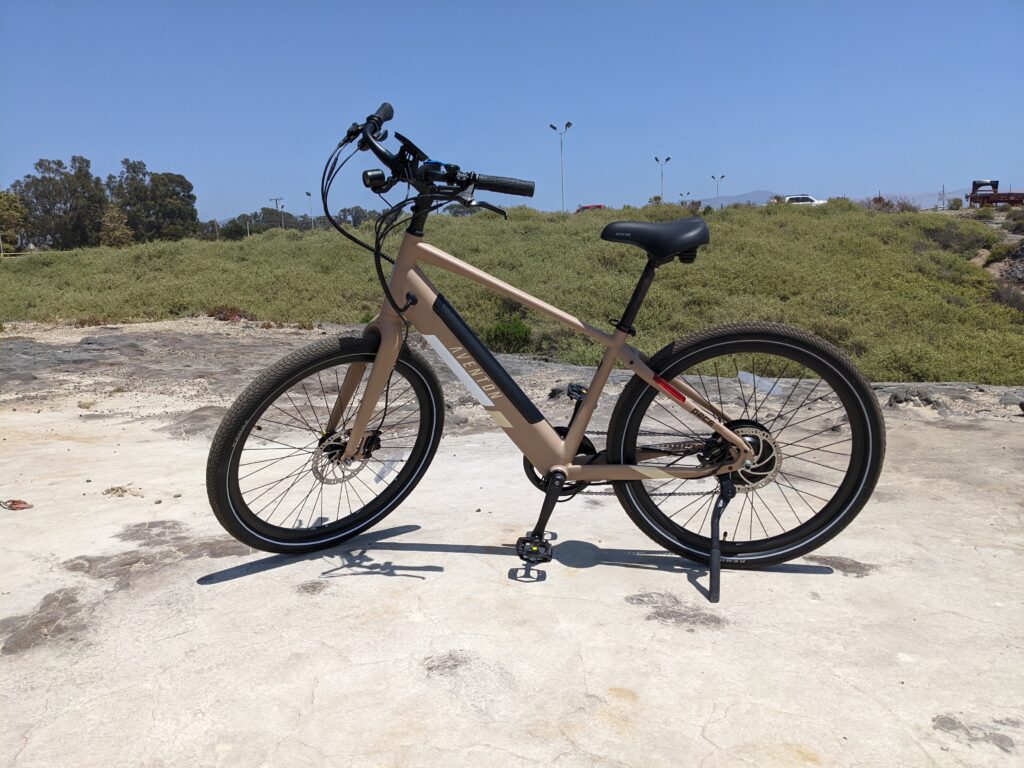
The bike is the purchase. The accessories are the part everyone forgets until the first ride home in the dark with no lights. A few of these are safety essentials and the rest make the bike nicer to live with. Either way, budget a few hundred dollars on top of the bike.
- Helmet: $60 to $200 for a quality model with MIPS. Worth every cent.
- Lock: $40 for a decent one, $100 to $150 for a strong U-lock, more for anti-grinder designs. A rough rule is 10 to 15 percent of the bike’s value.
- Lights: $30 to $60 for a basic front and rear set, $60 to $105 for a brighter one.
- Rack and panniers: $40 to $100 for a rack, $100 to $250 for good waterproof bags.
- Fenders: $20 to $50, and a revelation the first time you ride through a puddle without a wet stripe up your back.
- Pump, tire repair kit, mirror, and phone mount: roughly $15 to $50 each, and collectively the difference between a smooth ride and a roadside scramble.
You do not need all of it on day one. A helmet, a lock, and lights are the non-negotiable starting three. The rest you add as your riding tells you what you actually need.
Are Expensive Ebikes Worth It?
Sometimes the premium price buys you nothing but a logo. Other times it buys the exact things that keep you riding the bike instead of letting it gather dust in the garage.
The case for spending more gets stronger the harder you use the bike. A daily commuter benefits from better brakes, a battery that survives years of charge cycles, and a company that sends the replacement part when you need one. Anyone hauling heavy cargo needs a frame and motor built for the load rather than one merely rated for it. If your routes are hilly, a quality mid-drive turns a grind into a glide in a way a cheap hub motor never quite manages. And a strong warranty with proper service support is worth more than any single component when something eventually goes wrong.
If your riding is light and flat and occasional, none of that justifies the spend, and a solid mid-range bike will leave you happy. The expensive bike earns its price through use. The more miles you put on it and the more you ask of it, the more those upgrades pay you back.
Worst case, you overspend and become insufferable about your commute. There are worse fates. See you out there!
Frequently Asked Questions
What is a good price for an ebike?
For most riders a good ebike costs between $1,500 and $3,000. That range buys a reliable motor, a quality battery, hydraulic brakes, and a brand that backs its bikes. You skip the premium for ultralight frames and performance parts you may not need.
Are cheap ebikes worth it?
A cheap ebike can be worth it for short, flat, occasional rides, as long as you buy from a reputable brand with a certified battery. The risk with the very cheapest models is weak brakes, a small low-quality battery, and no support when something breaks.
How much does it cost to charge an ebike?
Almost nothing. Charging an ebike costs roughly $10 to $30 a year for typical use. A full charge usually costs a few cents of electricity, which makes it one of the cheapest forms of transport you can plug into a wall.
How much does an ebike battery replacement cost?
A replacement battery runs $300 to $800 for most ebikes and can pass $1,000 for premium systems like Bosch. Since a good battery lasts three to five years, the cost works out to about $70 to $140 a year over its life.
Is it better to buy a $1,000 or $2,000 ebike?
If you ride daily, tackle hills, or carry loads, the $2,000 bike is usually the better long-term value thanks to a stronger battery, better brakes, and better support. If your riding is light and flat, a well-chosen $1,000 bike from a reputable brand can serve you fine.