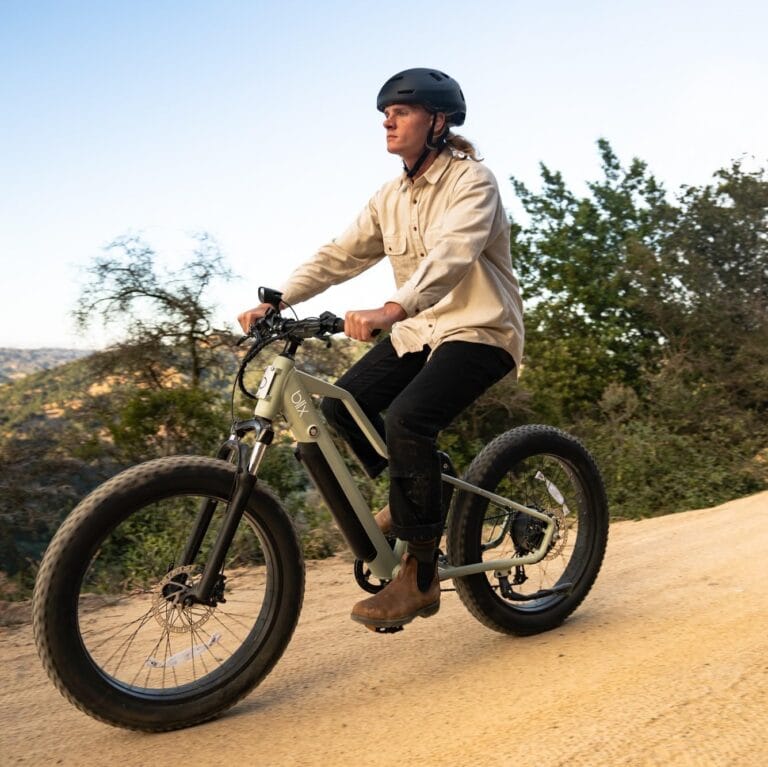
Look; if you are cruising at 28 mph on a Class 3 ebike, you aren’t just “riding a bike” anymore. You are essentially operating a light electric vehicle. The problem is that many riders are still wearing helmets designed for 12 mph beach cruises. While a standard bicycle helmet is better than nothing, it wasn’t engineered for the kinetic energy involved in a 25-plus mph impact.
Why Ebike Riders Need NTA 8776 Helmets in 2026
In 2026, the industry has finally moved past “one size fits all” safety. We are seeing a massive shift toward NTA 8776 certification. This is a Dutch safety standard specifically designed for high-speed ebikes. It requires more impact-absorbing foam and significantly better coverage around the temples and the back of the head; the two areas most likely to hit the pavement in a high-speed tumble.
Whether you are dodging city traffic or hitting technical trails on an e-MTB, your helmet choice should match the top speed of your motor. Here is our breakdown of the 10 best ebike helmets for 2026, categorized by how they actually handle the road.
Best NTA 8776 Certified Ebike Helmets for High-Speed Riding
If your ebike has a motor that pushes you past 20 mph, these should be at the top of your list. These helmets are overbuilt to handle the reality of modern ebike riding.
|
|
|
|
|
|
|
|
|
|
|
1. Best Overall NTA 8776 Ebike Helmet for Class 3 Riders: ABUS Pedelec 2.0
The ABUS Pedelec 2.0 has become the benchmark for urban commuters. It doesn’t try to look like a racing lid; it looks like a piece of professional equipment. It is fully NTA 8776 certified, meaning it offers the deep-set shell protection required for Class 3 speeds.
One of the most practical features is the integrated rain cover. It zips into a hidden compartment and can be pulled over the shell in seconds. For year-round commuters, this is far superior to “waterproof” helmets that often lack ventilation. The Pedelec 2.0 also features a large, rechargeable rear LED and a Fidlock magnetic buckle that you can snap shut with one hand while wearing winter gloves.
- Weight: ~410g (Size M)
- Top Perk: The integrated rain hood is a lifesaver in surprise storms.
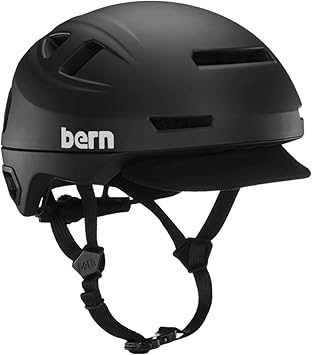
2. Best Urban NTA 8776 Ebike Helmet: Bern Hudson MIPS
The Bern Hudson is for the rider who wants high-speed protection without the “bowling ball” aesthetic. It manages to pack NTA 8776 certification and MIPS rotational protection into a sleek, skate-style silhouette.
The feature that truly sets this apart for city life is the reinforced U-lock vent. You can slide your standard U-lock through the vents at the back of the helmet to secure it to your bike frame. It solves the annoying “carry your sweaty helmet into the store” problem that most commuters face. It also comes with a click-mount 6.6-lumen light that is micro-USB rechargeable.
- Weight: ~370g
- Top Perk: The lock-through vents make urban errands much simpler.
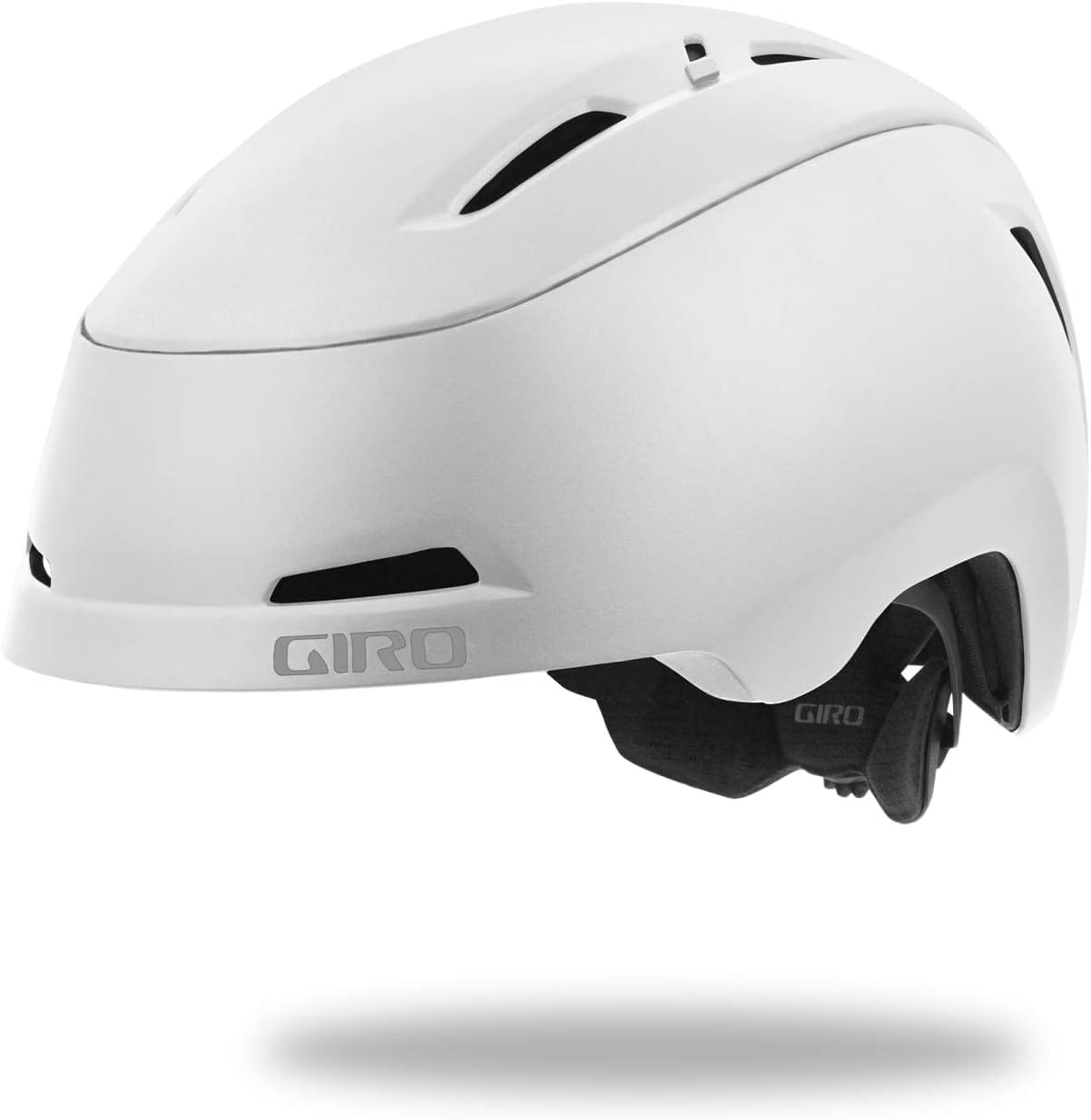
3. Best High‑Visibility NTA 8776 Ebike Commuter Helmet: Giro Camden MIPS
If you feel invisible in city traffic, the Giro Camden is your solution. It carries the NTA 8776 badge but prioritizes active visibility with a massive rear LED panel. Unlike tiny point-source lights, this broad red light makes the entire back of the helmet glow, ensuring you are tracked by drivers from a distance.
Under the hood, it uses the Roc Loc Air fit system. This design suspends the helmet slightly off your scalp, creating a wind tunnel effect that pulls cool air through four large adjustable vents. It allows you to tune your airflow depending on whether it is a humid July morning or a freezing January night.
- Vents: 10 (4 are adjustable on-the-fly)
- Top Perk: The rear LED panel is one of the brightest in the industry.
4. Best NTA 8776 eMTB Helmet for Aggressive Ebike Riding: POC Kortal Race MIPS
For riders taking their ebikes off the pavement and onto the trails, the POC Kortal Race MIPS is the gold standard. It meets NTA 8776 standards but adds features specific to trail riding, such as extended temple coverage and the MIPS Integra system.
This helmet is packed with “invisible” safety tech. It includes a RECCO reflector to help search teams find you if you go down in remote areas, and an NFC Medical ID (Twiceme) that stores your emergency contact info and blood type.The “breakaway” peak is also a critical detail; it is designed to snap off in a crash to prevent your neck from jerking if the visor catches the ground.
- Certification: NTA 8776 + EN 1078
- Top Perk: Integrated NFC Medical ID for serious trail safety.
Best Ebike Helmets with Lights and Smart Tech
These helmets focus on “preventative safety,” using smart technology to ensure you don’t get hit in the first place.
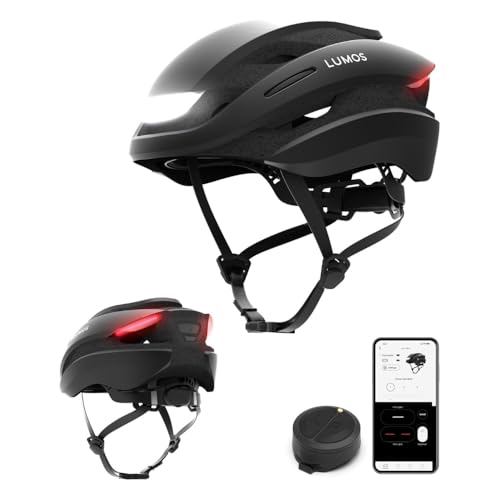
5. Best Smart Ebike Helmet with Lights and Turn Signals: Lumos Ultra
The Lumos Ultra is essentially a piece of wearable electronics. It features 94 integrated LEDs including front white lights, rear red lights, and orange turn signals. While the standard Ultra is CPSC and MIPS rated (note: Lumos does offer a specific “E-Bike” model with NTA certification), its ability to communicate with drivers is its biggest strength.
The turn signals are operated via a small handlebar remote, allowing you to signal your intentions at the eye level of a car driver. It also features optional automatic brake light detection; when you slow down, the rear lights turn solid red to warn anyone following you.
- Lighting: 30 Front LEDs, 64 Rear LEDs
- Top Perk: Eye-level turn signals are a massive urban safety upgrade.
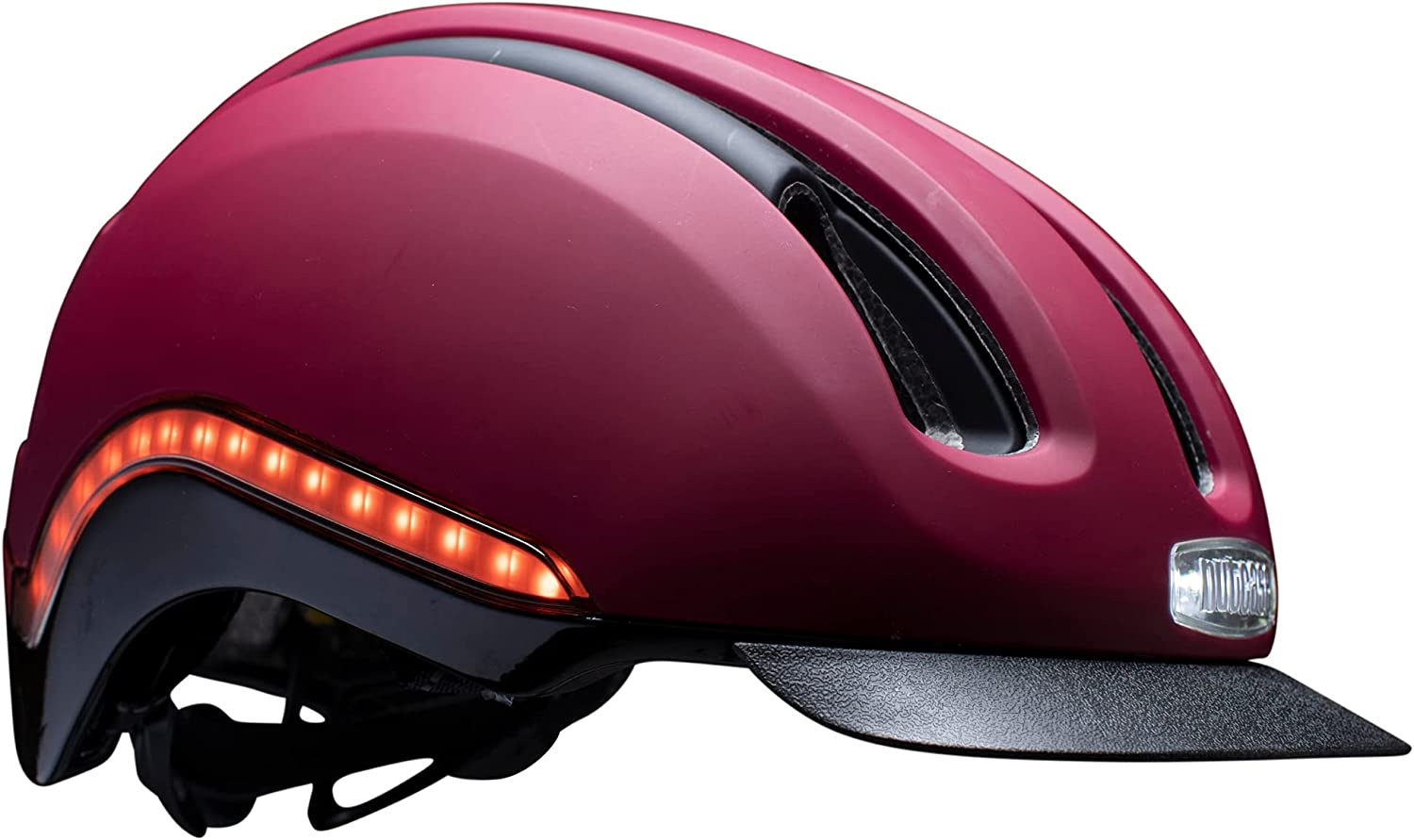
6. Best 360° Visibility Ebike Helmet: Nutcase VIO Classic
The Nutcase VIO stands out for its unique light wrap. It provides 360-degree visibility using a 200-lumen front light and 65-lumen side and rear lights. It uses a dual-density EPS foam system; the inner layer is softer for lower-speed impacts, while the outer layer handles higher forces.
The VIO is a great choice for riders who navigate multi-lane intersections where you need to be seen from the side, not just the front or back. It also uses the magnetic Fidlock buckle, which has become a favorite for riders who hate pinching their chin skin in standard plastic clips.
- Visibility: Full 360-degree LED coverage
- Top Perk: Dual-density foam handles a wider range of impact types.
Best Urban Ebike Helmets for Commuters and Style-Focused Riders
These options focus on blending into your daily life. They are perfect for the rider who wants a helmet that feels like a lifestyle accessory rather than a piece of sporting equipment.
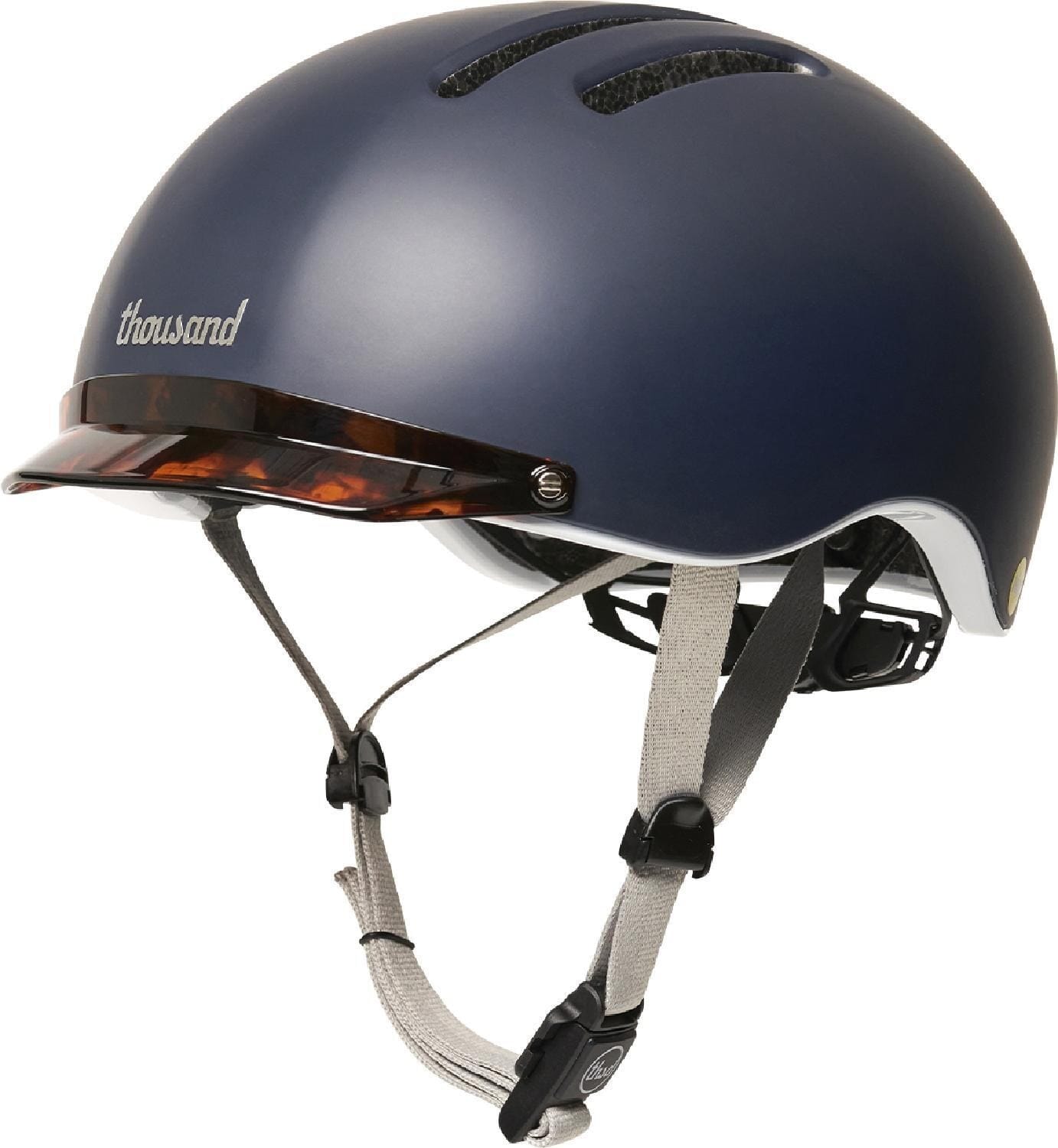
7. Best Stylish Urban Ebike Helmet for Commuters: Thousand Chapter MIPS
Thousand built their reputation on vintage-inspired aesthetics, and the Chapter is their most safety-conscious model. It includes a MIPS liner and a 50-lumen magnetic rear light that can be popped off and used as a standalone bike light if needed.
The real genius of Thousand is the “Secret PopLock.” Behind the logo on the side is a reinforced hole that allows you to lock your helmet to your bike using a standard U-lock. It is a “set it and forget it” solution for people who don’t want to carry a helmet into a restaurant or office.
- Safety: CPSC/CE certified with MIPS
- Top Perk: The “Secret PopLock” is the most stylish theft-prevention in the game.
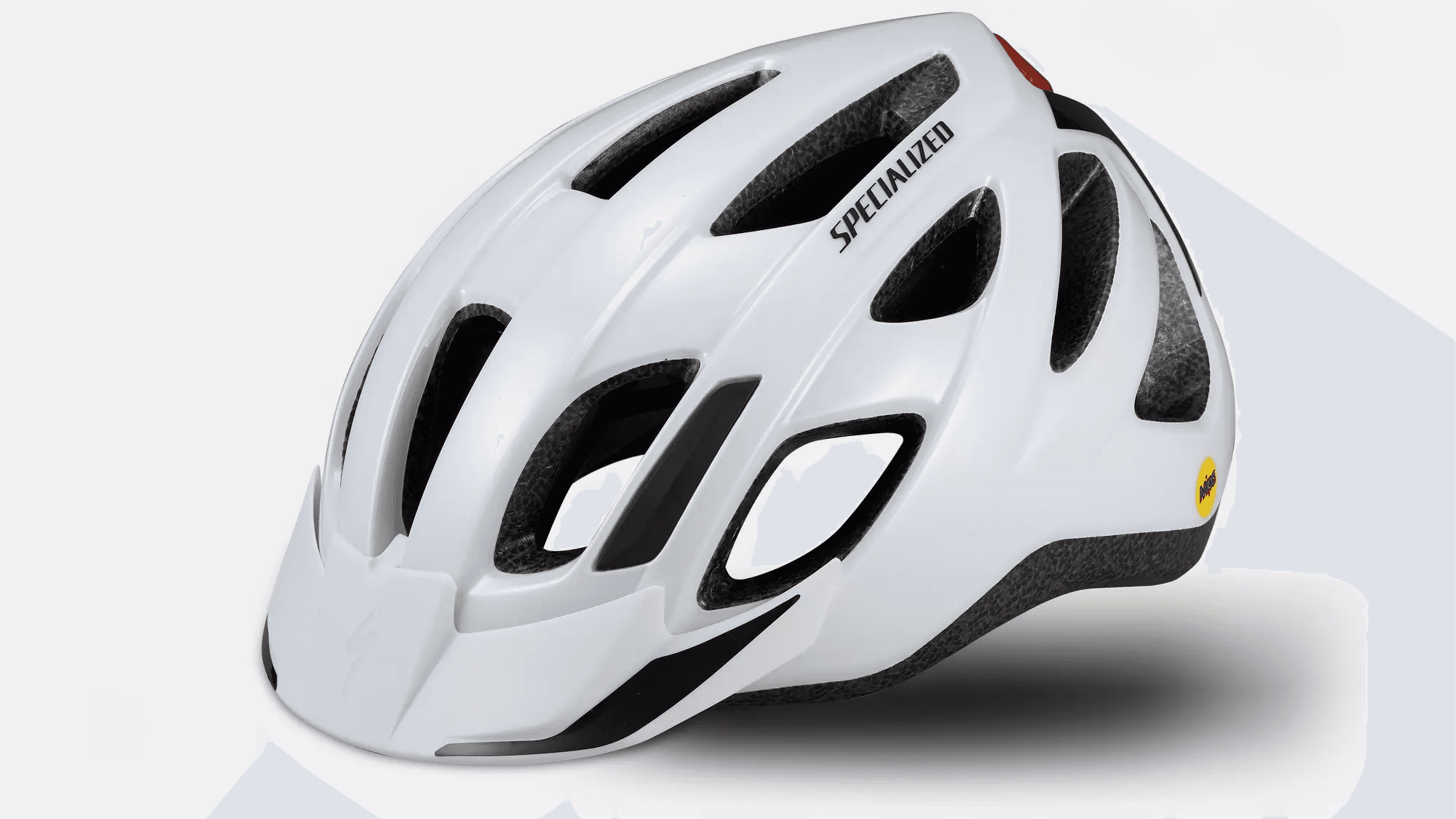
8. Best Premium Commuter Ebike Helmet: Specialized Centro LED
Specialized is a legacy brand that understands the “boring” details that make a helmet comfortable for a 10-mile ride. The Centro LED is a refined, well-ventilated helmet that feels high-end without a high-end price tag.
It features the Headset SX fit system, which uses a micro-adjustable dial for a precise fit. It also incorporates reflective webbing on the straps, which is a subtle but effective way to add side-profile visibility without relying on batteries. It is MIPS-equipped and features a patented clip-on visor for those sunny afternoon rides home.
- Cooling: 4th Dimension Cooling System
- Top Perk: Excellent strap management and reflective material.
Best Budget and Recreational Ebike Helmets for 2026
If you are riding a Class 1 bike at moderate speeds on dedicated bike paths, you don’t necessarily need a $200 high-speed lid. These offer reliable protection at an accessible price.
9. Best Recreational Ebike Helmet for Path Riding: Bell Trace LED MIPS
The Bell Trace is an honest, straightforward helmet from one of the biggest names in the industry. It features 16 large vents, making it one of the coolest-running helmets in this guide. If you live in a hot climate and your “commute” is a leisurely roll through the park, this is a great choice.
The Ergo Fit system is integrated directly into the rear LED light, keeping the design clean and easy to adjust with one hand. It is MIPS-equipped, which is impressive at this price point.
- Light Output: 20 Lumens
- Top Perk: Exceptional ventilation for riders in warmer regions.
10. Best Budget Ebike Helmet with Rear Light: Grottico
The Grottico is the entry-level winner for the casual rider. It meets US and EU safety standards and includes a rechargeable rear light and a removable visor. At about 300 grams, it is also one of the lightest helmets on the list.
While it lacks the NTA 8776 certification and MIPS technology, it is a significant step up from the “no-name” helmets often found on discount sites. It features 23 vents and quick-dry padding, making it a solid choice for neighborhood cruises.
- Weight: ~300g
- Top Perk: High vent count and low weight for a budget price.
2026 Ebike Helmet Comparison Table: NTA 8776, MIPS and Lights
Helmet | NTA 8776 Certified | Rotational Protection | Integrated Lighting | Weight (approx) |
ABUS Pedelec 2.0 | ✅ Yes | Optional | Rear LED | 410g |
Bern Hudson | ✅ Yes | ✅ MIPS | Rear LED | 370g |
Giro Camden | ✅ Yes | ✅ MIPS | Large Rear Panel | 690g |
POC Kortal Race | ✅ Yes | ✅ MIPS Integra | None | 390g |
Lumos Ultra | ❌ No | ✅ MIPS | Front/Rear/Signals | 380g |
Nutcase VIO | ❌ No | ✅ MIPS | 360° Wrap | 420g |
Thousand Chapter | ❌ No | ✅ MIPS | Magnetic Rear | 370g |
Specialized Centro | ❌ No | ✅ MIPS | Rear LED | 350g |
Bell Trace LED | ❌ No | ✅ MIPS | Rear LED | 320g |
Grottico | ❌ No | ❌ No | Rear LED | 300g |
Common Ebike Helmet Mistakes: NTA 8776, Fit, and Replacement Rules
1. Underestimating the “Speed Gap”
Many riders assume that because they were fine in a standard helmet for 20 years, it will be fine for their new ebike. However, kinetic energy increases with the square of your speed, which means impact forces climb much faster than most riders realize. A crash at 28 mph is significantly more life-threatening than one at 12 mph. If your bike is Class 3, your helmet should ideally be NTA 8776 certified.
2. Prioritizing Weight Over Coverage
In the world of road racing, “light is right.” In the world of ebikes, weight usually translates to coverage. A 300g helmet is likely missing the rear-occipital protection that a 450g ebike-specific helmet provides. Since the motor is doing the work to move that extra weight, you should prioritize the “meat” of the helmet over the grams.
3. Ignoring the Fit at High Speeds
A helmet that feels “okay” at walking speed might vibrate or pull back on your forehead at 25 mph. Look for fit systems that wrap around the entire head (like the Roc Loc or Compass Fit) rather than just a simple pinch-dial at the back. If the helmet can shift back on your head when you shake it, it will shift during a crash.
4. Forgetting the “Crash Replacement” Rule
EPS foam is a one-time-use material. It works by crushing on impact to soak up energy. Once that foam has compressed, it cannot do it again. If you drop your helmet on a concrete floor or have even a minor tumble, the integrity is compromised. Many premium brands offer crash replacement discounts; it is always worth checking before you buy.
Ebike Helmet Lifespan: How Often to Replace Your Helmet
A helmet is not a “buy it once and forget it” investment. Even if you have never been in a crash, the materials that protect your brain have a shelf life. In the world of ebikes, where speeds are higher and traffic exposure is more frequent, keeping an eye on your helmet’s integrity is as important as checking your brake pads.
- The 3-to-5-Year Rule: Most manufacturers and safety experts recommend a fresh helmet every three to five years. The Expanded Polystyrene (EPS) foam, the “meat” of the helmet that absorbs impact, becomes brittle over time. UV exposure, extreme heat (like leaving your helmet in a parked car), and even the salt in your sweat eventually break down the molecular bonds of the foam.
- The “One-and-Done” Crash Rule: This is the most critical safety rule in cycling. EPS foam is designed to crush on impact to soak up energy. Once that foam has compressed, it cannot “un-compress” to protect you a second time. If your helmet has hit the pavement (even if the plastic shell looks fine) the internal structure is compromised. Replace it immediately.
- Visual Warning Signs: Every few months, give your helmet a safety audit. Look for small hairline fractures in the plastic shell, dull or yellowish discoloration (a sign of UV damage), or a fit system that skips or feels loose.
2026 Pro Tip: Before you throw your old helmet in the trash, check if the manufacturer has a recycling program. Brands like Lazer and Specialized have recently launched initiatives to separate the plastic and foam for industrial reuse, keeping old safety gear out of landfills.
Final Thoughts: Choosing the Right Ebike Helmet for Your Riding Style
We’ve come a long way from the days of generic, one-size-fits-all foam. A helmet shouldn’t be something you wear just because you’re “supposed to;” it’s a non-negotiable piece of gear for anyone riding at ebike speeds. Matching your helmet to your bike’s top speed and power is just as critical as choosing the right battery or motor.
If you are pushing the 28 mph limits of a Class 3 bike, the reinforced foam and deeper coverage of an NTA 8776-certified lid should be your top priority. However, if your daily battle is more about being seen by distracted drivers in a busy city center, the active protection of high-powered LEDs and turn signals might be the smarter investment.
The most important thing to remember is that a helmet only works if you actually wear it. Choose a model that fits your head comfortably, matches your specific route, and hasn’t passed its five-year expiration date. Taking the time to pick the right lid is the best way to ensure your favorite hobby stays fun and your daily commute stays safe.
After all, most ebike components come with a manufacturer’s warranty, but your skull is a limited edition. Take care of it so we can see you out in the bike lane!
Best Ebike Helmet FAQs for 2026
Do I really need an NTA 8776 helmet for my ebike?
If you ride a Class 3 ebike or regularly hit speeds above about 20 mph, an NTA 8776 helmet is a smart upgrade because it’s tested for higher impact speeds and covers more of your head than a standard bicycle helmet. The Dutch NTA 8776 standard was created specifically for ebikes and speed‑pedelecs, with deeper coverage around the temples and rear of the head, where high‑speed crashes often land.
What’s the difference between a regular bike helmet and an ebike helmet?
Regular bike helmets are usually tested for lower impact speeds and often have less coverage at the sides and back of the head. Ebike‑specific helmets, especially NTA 8776‑certified models, use more impact‑absorbing foam, extended coverage, and rotational protection like MIPS to handle the extra kinetic energy of 20–28 mph crashes.
How often should I replace my ebike helmet?
Most safety experts and manufacturers recommend replacing any helmet every three to five years, even if you’ve never crashed, because UV exposure, sweat, and heat gradually degrade the EPS foam. You should replace an ebike helmet immediately after any significant impact—foam is one‑and‑done and can’t protect you properly a second time.
Is MIPS important in an ebike helmet?
MIPS and similar systems are designed to reduce rotational forces on your brain during an angled impact, which are a big contributor to concussions. For higher‑speed ebike riding, combining extended coverage with a rotational protection system is one of the best ways to stack the odds in your favor in a real‑world crash.
Are helmets with lights and turn signals worth it for ebike commuting?
If you ride in traffic, helmets with integrated lights and turn signals make it much easier for drivers to see and predict what you’re doing, especially from behind or at intersections. Many 2026 ebike helmets now include bright rear LEDs or full 360‑degree light wraps, and some models like Lumos pair them with handlebar remotes and brake‑light features, which is a major safety upgrade in busy city environments.
Can I use a mountain bike helmet as an ebike helmet?
A good trail or enduro MTB helmet often gives you more coverage than a pure road lid, and many now include MIPS or similar tech, so they can be a solid choice for slower Class 1 and Class 2 ebike rides. For aggressive off‑road ebike riding or Class 3 speeds, look for models that are explicitly rated for ebikes or carry NTA 8776 certification so you know they’ve been tested for higher impact speeds.