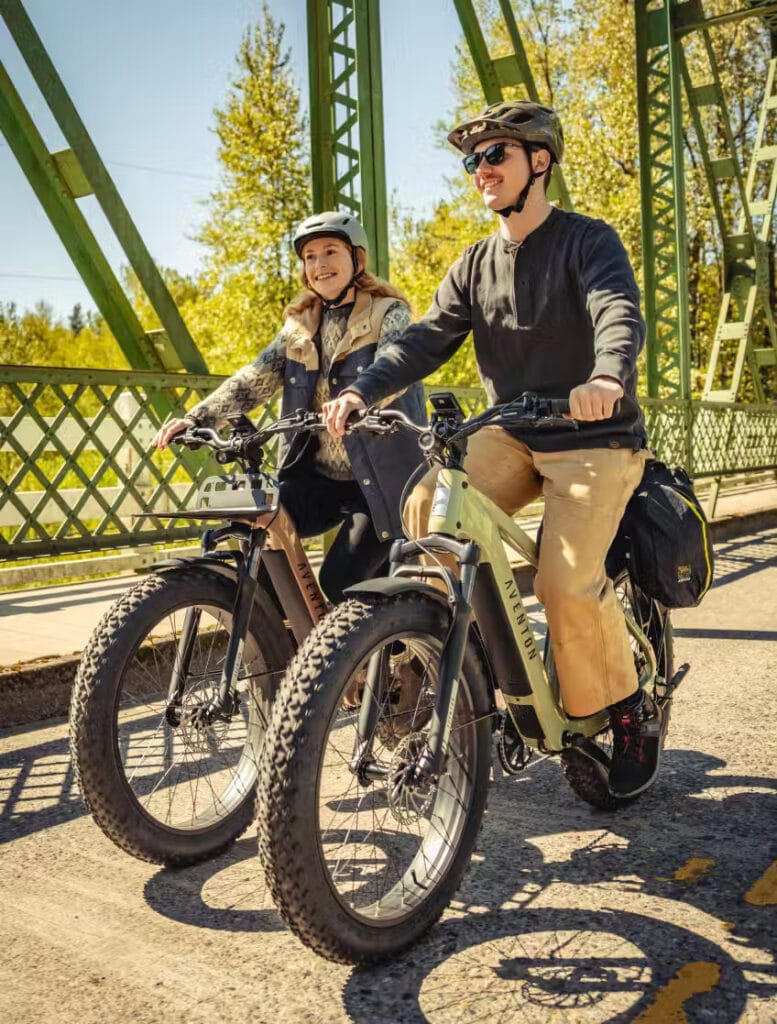
Fat tire ebikes have a way of making the rougher route look a lot more appealing. With four inches of rubber between you and the road, cracked pavement becomes less intimidating, gravel paths feel more inviting, and that little dirt shortcut you’ve been eyeing starts looking like a perfectly reasonable way home.
Of course, there’s another side to owning one. These are big, heavy bikes, and manufacturers love competing over who has the most watts, torque, and advertised range. Those numbers matter, but they won’t tell you whether a bike fits comfortably, how you’ll get it onto your car rack, or who’s going to fix it when something goes wrong.
Between $1,500 and $3,000, you’ve got some excellent options. We’ve narrowed things down to six fat tire ebikes worth considering, each with its own strengths, compromises, and reasons you might want to take it home.
Best Fat Tire Ebikes at a Glance
|
Model |
Advertised U.S. price* |
Battery |
Best reason to consider it |
|
Aventon Aventure 3 |
733Wh |
GPS tracking, smart security, and adjustable assistance |
|
|
Lectric XPeak 2.0 Long-Range |
960Wh |
The most battery capacity for the money |
|
|
Velotric Nomad 2 |
705.6Wh |
Customizable assistance and comfort |
|
|
Trek Borrego+ |
720Wh |
Refined handling and local dealer support |
|
|
Mokwheel Basalt ST 2.0 |
$1,799.99 sale |
Approx. 941Wh |
Large battery and step-through convenience |
|
Ride1Up Vorsa FT |
720Wh |
Utility and cargo capacity near the bottom of the budget |
Prices checked November 3, 2026, before taxes and optional accessories. Promotions, configurations, and availability can change. Mokwheel’s battery capacity is calculated from its listed 48V, 19.6Ah specification.
All six bikes have 26-by-4-inch tires, rear-hub motors, hydraulic disc brakes, and front suspension. They’re built around a similar idea, but that doesn’t mean they all deliver the same riding experience.
A quick note on testing: Top5ebikes has ridden the Trek Borrego+ for approximately 30 miles. Our earlier Mokwheel review covers the previous-generation Basalt ST, not the 2.0. For the other models, we’re drawing on manufacturer specifications and attributed independent reviews rather than claiming firsthand testing.
Aventon Aventure 3: Smart Security Meets All-Terrain Comfort
The Aventon Aventure 3 is for riders who like exploring gravel roads but would also prefer their expensive new bike to still be outside the coffee shop when they come back.
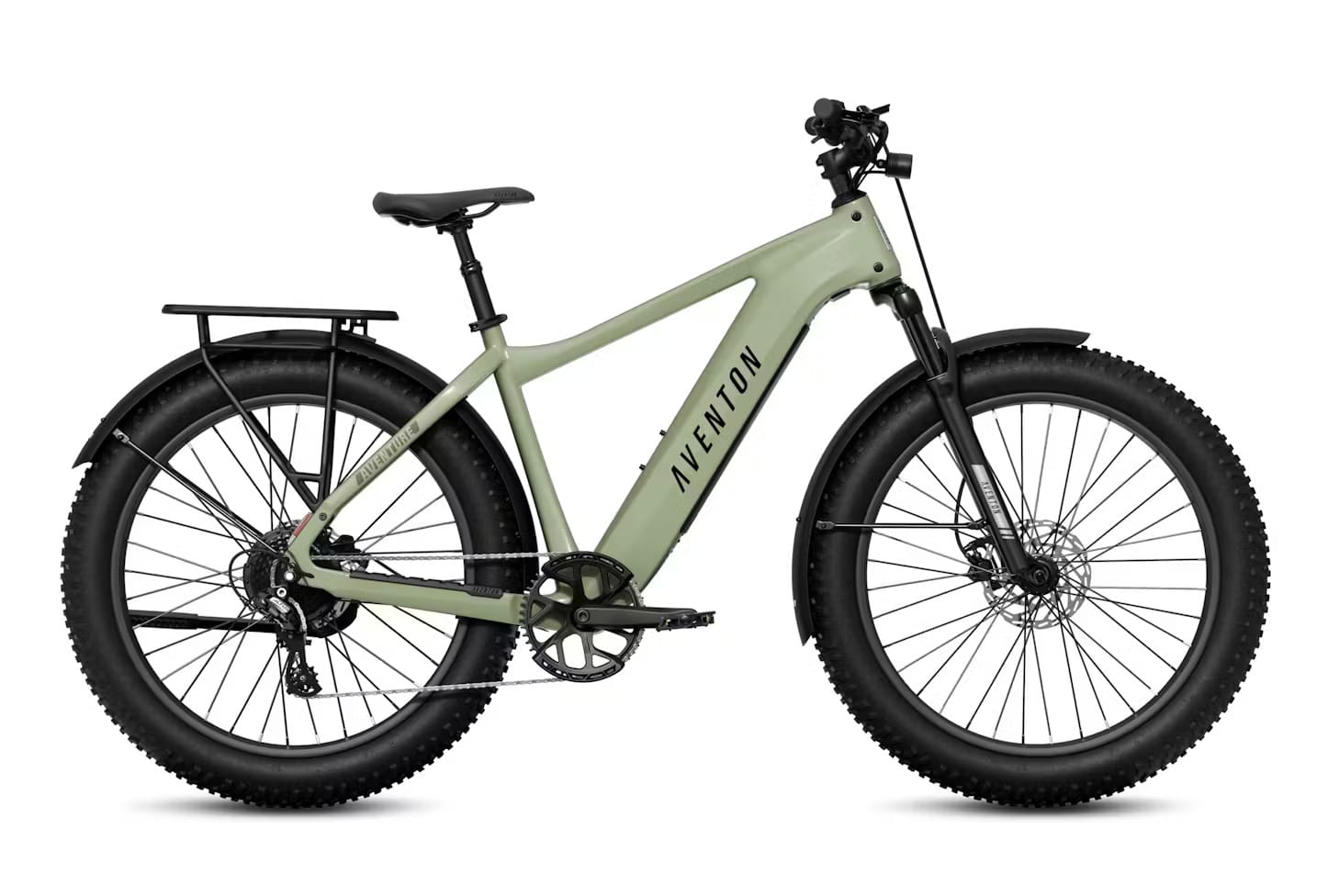
At $1,999, it’s a comfortable, well-equipped all-rounder with a 750W rear-hub motor, 733Wh battery, front suspension, and a suspension seatpost. Aventon’s Sensor Switch lets you choose between torque-based assistance, which responds to how hard you’re pedaling, and a more relaxed cadence mode. You can also fine-tune the motor’s response through the app, giving you some welcome control over how the bike behaves on different routes.
But the Aventure 3’s party trick is its connected security system. You get an integrated rear-wheel lock, GPS tracking, movement alerts, and remote functions through 4G connectivity. That extra peace of mind comes with a subscription fee after the complimentary first year, and you’ll still need a proper bike lock. GPS is helpful, but it won’t physically stop someone from loading your bike into a van.
OutdoorGearLab’s independent testing praised its climbing ability and comfortable ride, although the reviewers weren’t thrilled with its substantial weight or awkwardly positioned charging port.
Our take: A great match for someone splitting their time between recreation and everyday errands, particularly if they’ll use the security features. If you’re more interested in battery capacity than app connectivity, the less expensive Lectric is worth a look.
Lectric XPeak 2.0 Long-Range: More Battery Without the Bigger Price Tag
The Lectric XPeak 2.0 Long-Range has a refreshingly straightforward sales pitch: a big battery, plenty of motor assistance, and a price that doesn’t require you to reconsider your entire vacation budget.
For $1,699, you get a 960Wh battery, the largest in this roundup. That’s roughly one-third more stored energy than a typical 720Wh pack, giving you more breathing room on longer rides. Lectric advertises up to 80 miles of range, although hills, rider weight, and how enthusiastically you use the throttle will all have something to say about that number.
The rest of the bike is equally practical. Its 750W rear-hub motor, torque-sensing assistance, eight-speed drivetrain, and 80mm suspension fork make a sensible combination for paved roads, gravel, and recreational trails. OutdoorGearLab found the XPeak 2.0 comfortable on mixed surfaces, although its test bike had the smaller 720Wh battery, so those range results don’t apply directly to this version.
The main compromise is weight. Lectric advertises 64.5 pounds, but that’s without the battery. Add the Long-Range battery, and you’re around 75 pounds before accessories. Worth knowing before you volunteer to lift it onto the family SUV.
Our take: One of the best values here if long rides and battery capacity are your priorities. It isn’t especially light or flashy, but it spends your money on something you’ll appreciate every time you head out for a longer ride.

Velotric Nomad 2: For Riders Who Like Having Options
The Velotric Nomad 2 gives you an unusual amount of control over how your bike behaves. The only danger is spending more time choosing an assistance setting than deciding where to ride.
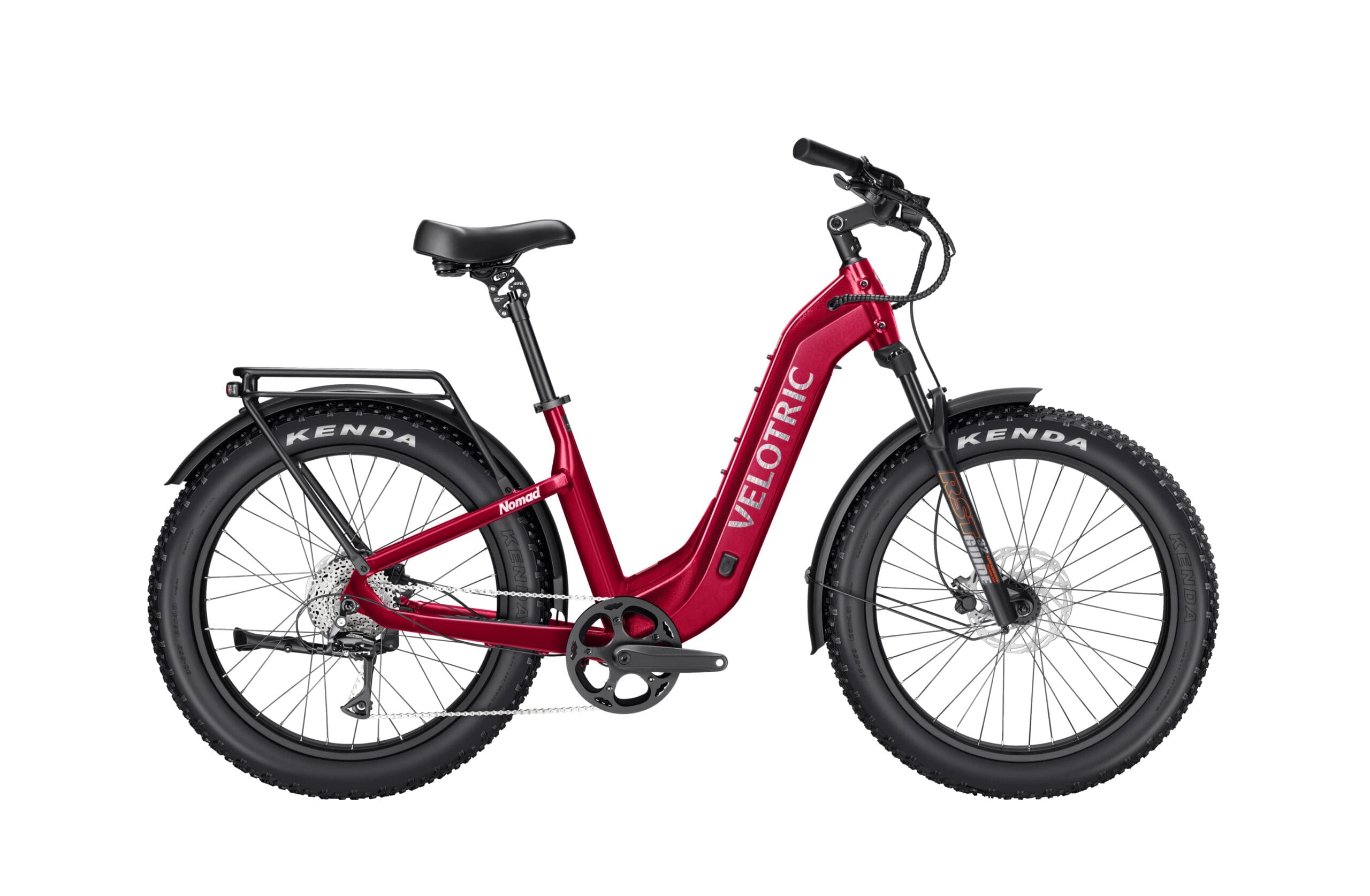
At $1,999, its SensorSwap system lets you alternate between torque- and cadence-sensing assistance, with additional modes for fine-tuning the motor’s response. You can keep things natural and responsive when you feel like pedaling or dial up the help when your legs have decided they’ve contributed enough for one day.
Comfort gets plenty of attention, too. There’s a 100mm front suspension fork, suspension seatpost, adjustable stem, and wide saddle, plus step-through and high-step frames in two sizes. That gives riders some flexibility in finding a comfortable position for longer outings.
Electric Bike Report liked the Nomad 2’s responsiveness and comfort, but found the abundance of settings somewhat overwhelming. Its test bike also weighed 84 pounds against Velotric’s advertised 75-pound figure, and the reviewers observed assistance exceeding 28 mph. We’d confirm the current firmware and legal speed configuration before ordering.
Our take: A strong choice if you enjoy customizing your ride and want plenty of comfort features. If you’re the type who sets everything once and never touches it again, all those menus might be more trouble than they’re worth.
Trek Borrego+: What Are You Getting for the Extra Money?
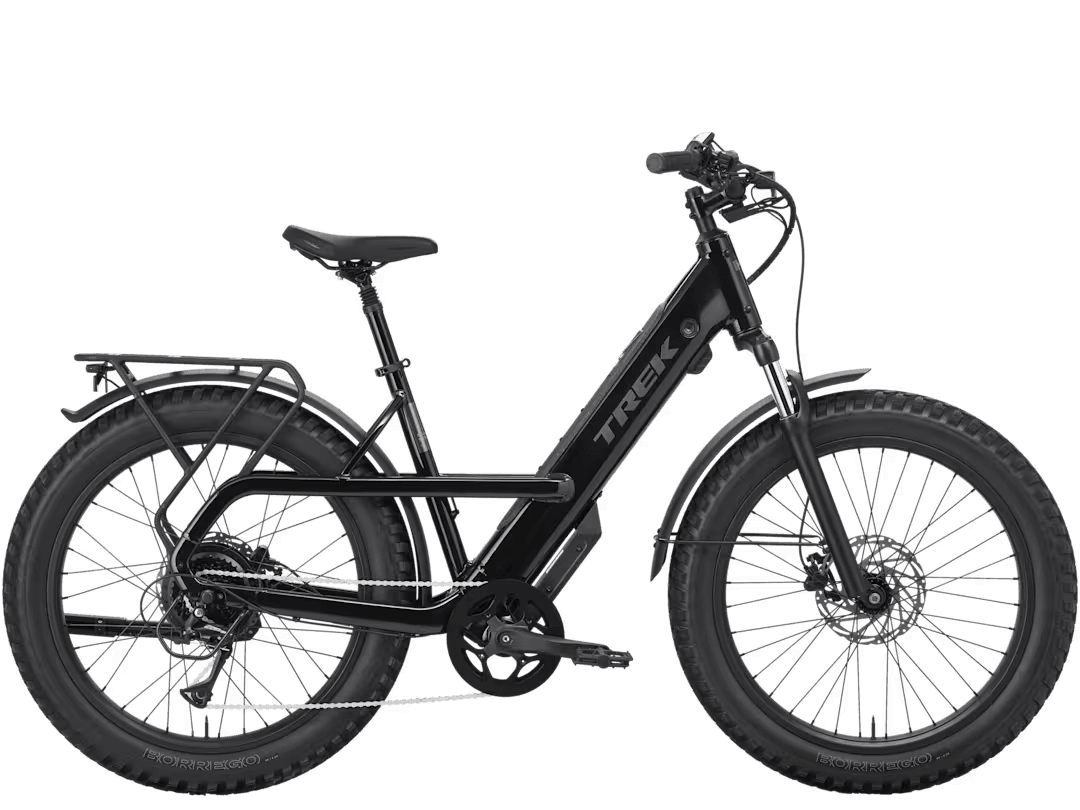
At $2,499.99, the Trek Borrego+ is the most expensive bike here, with a smaller battery than several cheaper competitors and a hefty 87-pound frame. Not exactly the sort of specifications that make bargain hunters start reaching for their wallets.
But after spending approximately 30 miles riding the Borrego+, we started to understand the appeal. The handling felt surprisingly responsive for such a substantial bike, and the combination of front suspension, wide tires, and a suspension seatpost made for a smooth, comfortable ride. Its 720Wh battery and 750W rear-hub motor are perfectly respectable, even if they won’t win a numbers contest.
Trek also includes practical equipment such as fenders, lights, turn signals, and a rear rack rated for 60 pounds. Another selling point is its established dealer network. Having a local shop that can handle authorized warranty work is reassuring when the electronics decide to have a bad day, although it’s still worth checking what your nearest retailer services.
The main compromises are price, weight, and speed. The standard Borrego+ provides throttle and pedal assistance up to 20 mph; Trek’s faster Borrego+ S is a separate model with different sales restrictions.
Our take: The Borrego+ makes the most sense for riders willing to pay extra for a polished riding experience and accessible dealer support. It won’t win on battery size or price, but those aren’t the only things that make an ebike enjoyable to own.
Mokwheel Basalt ST 2.0: Big Battery, Easier Mounting
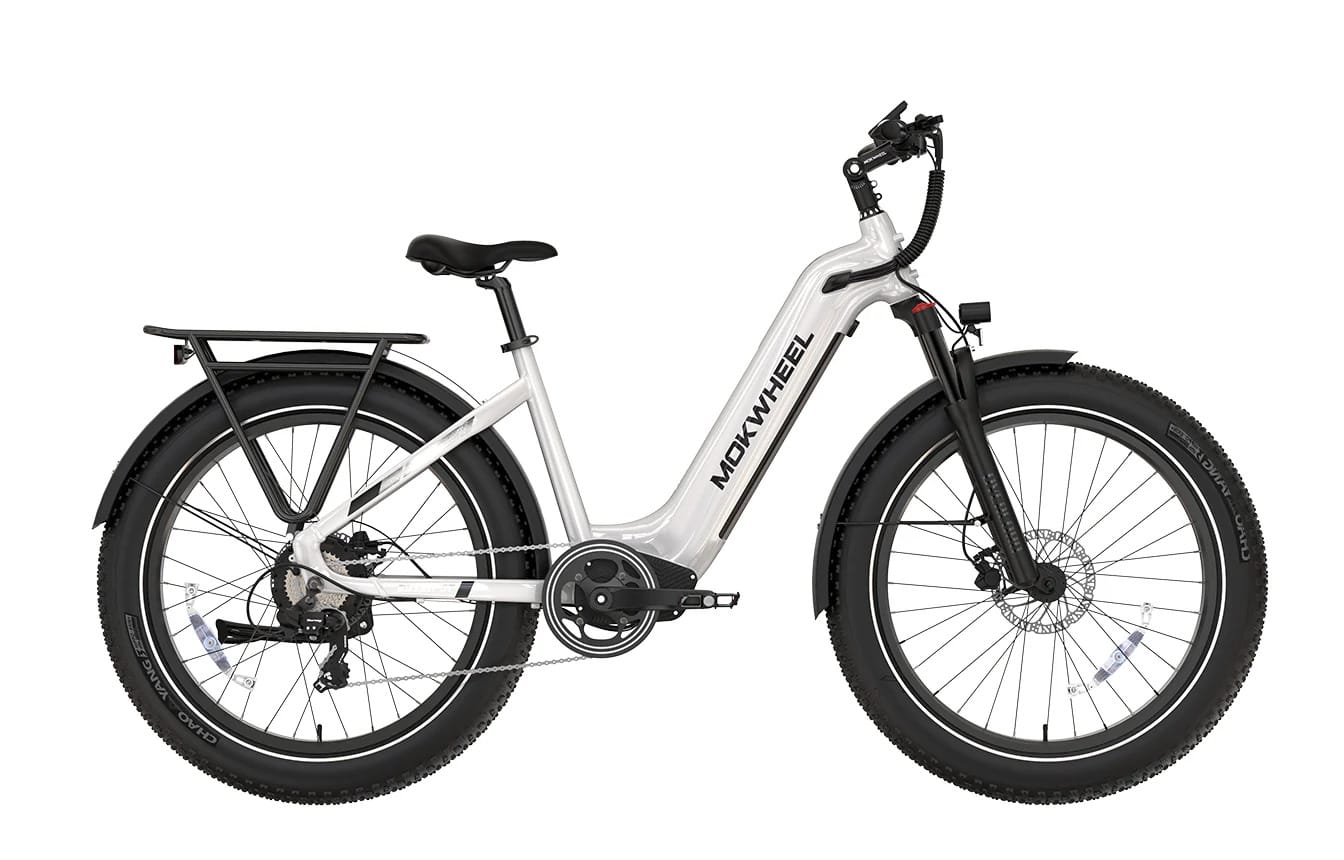
The Mokwheel Basalt ST 2.0 combines two things that work especially well together: a generous battery and a step-through frame that doesn’t require any impressive leg gymnastics every time you stop.
Its 48V, 19.6Ah battery works out to approximately 941Wh, just 19Wh shy of the Lectric. You also get a 750W rear-hub motor, selectable torque/cadence sensing, an eight-speed drivetrain, and 110mm of front suspension travel. That’s a useful setup for mixed-surface riding, especially if you appreciate easier mounting when carrying cargo or making frequent stops.
The important catch is that step-through doesn’t automatically mean lightweight or suitable for every height. The Basalt ST 2.0 weighs around 80 pounds, and Mokwheel’s published fit guidance starts around 5 feet 6 inches. Standard and Large frames give you some choice, but we’d check the measurements carefully.
Mokwheel also promotes optional solar and inverter accessories, which could appeal to riders planning camping trips or off-grid adventures. Just know those accessories aren’t included, and our previous Basalt ST review covers an earlier generation rather than this specific bike.
Our take: At its advertised sale price of $1,799.99, this is a tempting alternative to the Lectric if you want a large battery and step-through convenience. We’d choose between them based on fit, included equipment, and available service rather than splitting hairs over 19Wh.
Ride1Up Vorsa FT: A Fat Tire Ebike That Can Earn Its Keep
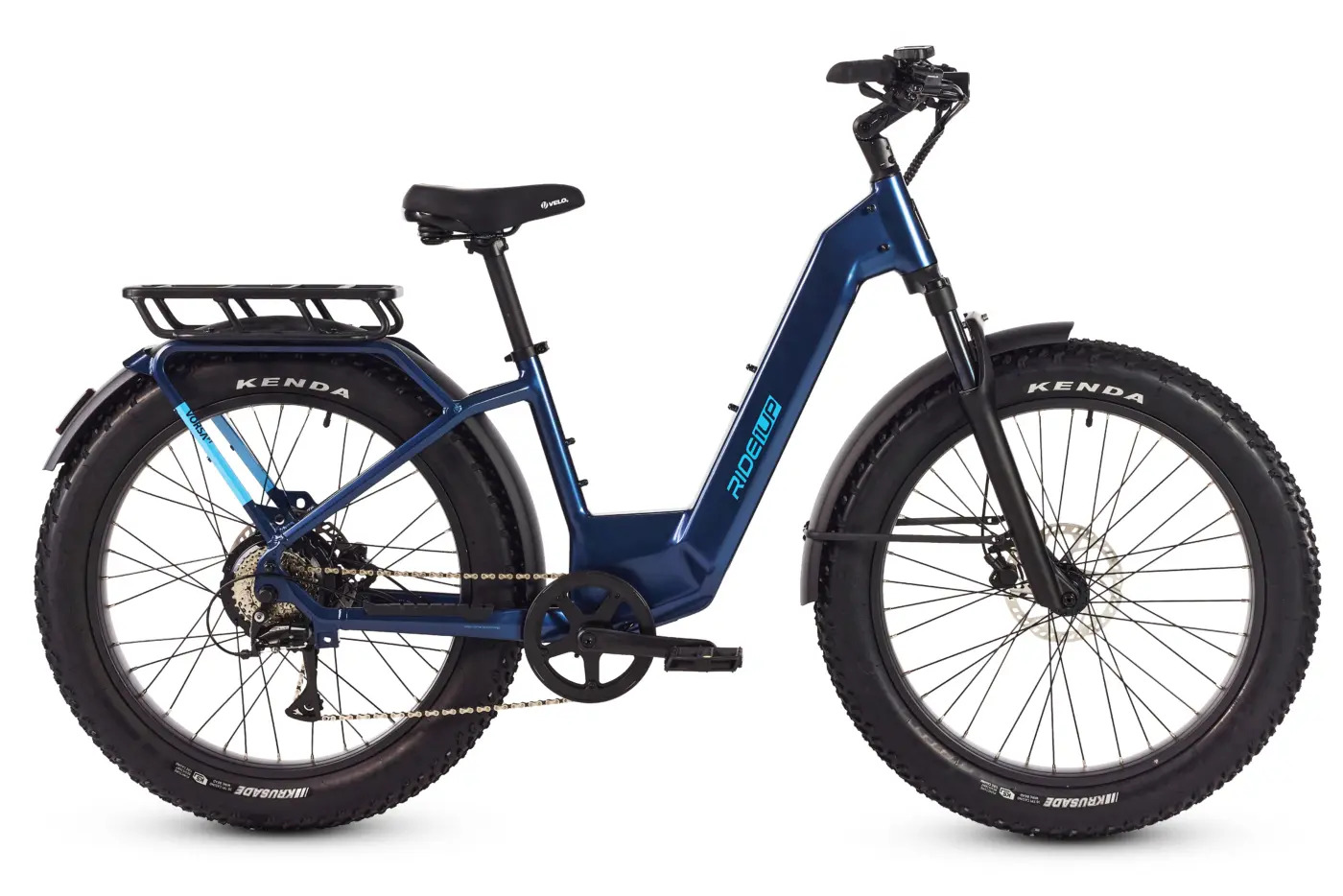
If your idea of adventure sometimes involves a grocery run, a trip to the garden center, or hauling half your belongings across town, the Ride1Up Vorsa FT deserves your attention.
Starting at a promotional price of $1,545, its standout feature is a rear rack rated for 150 pounds, considerably more than you’ll find on many conventional ebikes. Pair that with four-inch tires, front suspension, a 750W motor, and a 720Wh battery, and you’ve got a bike that’s happy on recreational rides but can also handle a serious grocery haul. Selectable torque/cadence assistance and an adjustable stem add some welcome flexibility.
It also has encouraging independent range results. Electric Bike Report recorded 39.3 miles in its high-assistance test and 87.7 miles in its low-assistance test. Not bad for a battery that’s considerably smaller than the Lectric’s, although those figures depend on the reviewer’s specific conditions.
There are compromises. ElectricBikeReview measured its test bike at approximately 84 pounds and felt four-piston brakes would have been preferable at that weight. The included 2-amp charger is also relatively slow. Ride1Up offers a compatible passenger kit for the Vorsa FT, but carrying a passenger still requires the approved setup and compliance with the bike’s load limits.
Our take: One of the most practical choices in this roundup, especially near its promotional price. If you want a fat tire bike that can double as a cargo-friendly commuter, the Vorsa FT is worth a serious look. Just make sure you’re selecting the FT, not one of the narrower-tire Vorsa models.
How to Choose the Right Fat Tire Ebike
When six bikes have similarly powerful motors, four-inch tires, and front suspension, the buying decision comes down to much more than the specifications they share.
Here are the differences worth paying attention to.
Be Realistic About Where You’ll Ride
Fat tires can be wonderful on broken pavement, gravel, firm dirt, and other uneven surfaces. Their width gives you a larger contact patch at suitable pressures, helping with traction and comfort. But four-inch tires don’t transform a heavy recreational ebike into a technical mountain bike.
If you plan on riding demanding singletrack, navigating rocky descents, or tackling steep trails, investigate the bike’s intended use, handling, components, and suspension design more carefully. The same goes for sand and snow, where tire pressure, tread, terrain, and rider technique still matter.
And if nearly all your riding happens on smooth pavement, take a look at conventional commuter ebikes before committing. You might find a lighter bike with narrower tires easier to handle and store.
Compare Battery Capacity, but Don’t Treat It Like a Range Guarantee
Battery capacity is measured in watt-hours (Wh), which tells you how much energy the battery can store. It’s useful for comparing bikes, but it doesn’t tell you exactly how far you’ll travel.
The Lectric’s 960Wh battery holds roughly one-third more energy than a 720Wh battery, but you shouldn’t assume it will deliver one-third more range. Motor programming, weight, tires, hills, and assistance levels all influence how quickly that energy gets used.
A 165-pound rider cruising in low assistance on flat pavement will get a very different result from someone climbing hills with cargo and relying heavily on the throttle. That’s why independent range testing is useful, particularly when reviewers explain their conditions. Manufacturer estimates are worth reading, but they shouldn’t be the only numbers you use to plan an important trip.
Don’t Forget You’ll Have to Move the Bike Yourself
Electric assistance does a wonderful job of hiding an ebike’s weight while you’re riding. It becomes considerably less helpful when you’re standing beside an SUV trying to figure out how to lift the bike onto a rack.
Most of the models here weigh somewhere around 75 to 87 pounds, depending on the configuration and how they’re measured. Before buying, think about where your bike will spend the other 23 hours of the day. Will it fit through your gate? Can you maneuver it around the garage? Does your vehicle rack support its complete weight and four-inch tires?
Pay attention to whether manufacturer weights include batteries and accessories. Removing the battery may make loading easier, but you’ll still need a suitable rack with enough capacity and a secure way to carry the bike.
Make Sure the Bike Fits You, Not Just Your Budget
Step-through frames, adjustable stems, and multiple sizes can make finding a comfortable fit easier, but none guarantees that a bike will work for your body.
Check the recommended rider height, saddle-height range, reach, and standover height. A low step-through frame can still have a saddle that’s too high, while an adjustable stem won’t fix a frame that’s fundamentally the wrong size.
If you can visit a dealer or try a demonstration bike, take advantage. A few minutes riding will tell you things a sizing chart never could.
Understand the Difference Between Payload and Rack Capacity
Fat tire ebikes often advertise impressive carrying limits, but those numbers don’t always describe the same thing.
A rear rack rating tells you what that structure can support. A rider limit applies to the person riding, while a total system limit may include the weight of the bike itself, the rider, cargo, and accessories.
For example, Trek lists a 440-pound total limit for the Borrego+, including the bike. Lectric’s 330-pound payload figure is defined differently and comes with separate rider and rear-rack restrictions. You can’t compare those numbers directly or add the rack allowance on top of the bike’s overall limit.
If you’re carrying children or other passengers, you’ll also need manufacturer-approved equipment. A strong rack is a good starting point, not permission to turn your ebike into a two-wheeled minivan.
Think About Service Before Something Goes Wrong
Warranty support isn’t terribly exciting when everything is working. It becomes a lot more interesting when your display stops communicating with the motor or the battery develops a problem.
Before ordering, find out who can service your exact model. Some brands have established dealer networks, while others rely more heavily on direct support and participating independent shops.
Ask whether a local provider handles warranty work, what labor costs apply, and how replacement parts are obtained. Don’t assume a shop willing to fix your brakes or tires will also diagnose proprietary electronics.
And check the actual warranty terms. Two brands advertising the same coverage period can offer very different protection.
Check the Legal Configuration Before Buying
Here’s a detail that deserves more attention than it usually gets in ebike roundups: a bike’s advertised capabilities don’t automatically tell you where you can legally ride it.
In the U.S., ebike classifications generally distinguish between pedal-assist bikes limited to 20 mph, throttle-assisted bikes limited to 20 mph, and qualifying higher-speed pedal-assist bikes limited to 28 mph. Exact definitions and access rules vary by jurisdiction.
California offers a useful example. According to the California Highway Patrol’s May 2026 guidance, Class 2 assistance must end at 20 mph, while Class 3 assistance operates while pedaling and ends at 28 mph, subject to narrowly defined low-speed exceptions.
Trek sells the standard 20 mph Borrego+ separately from the higher-speed Borrego+ S. Trek states that the S version cannot be sold or shipped to California under SB 1271.
Configurable models deserve even more attention. The Ride1Up Vorsa FT offers different speed configurations, including an off-road mode intended for restricted use. Independent testing also found the Velotric Nomad 2 exceeded 28 mph in a particular setup.
Before buying, check the exact model’s throttle operation, assisted speed, motor specifications, and available settings. Then confirm the rules for your state and the particular roads, paths, parks, or trails you intend to use.
And remember that permission to purchase an ebike isn’t the same thing as permission to ride it everywhere.

Final Thoughts
For sheer battery value, the Lectric XPeak 2.0 Long-Range is the first bike we’d investigate. The Ride1Up Vorsa FT is another standout if you want your fat tire ebike to handle a meaningful amount of everyday hauling without stretching your budget.
Beyond those recommendations, focus on the riding you’ll do most often and the compromises you’re willing to make. The best bike isn’t necessarily the one with the biggest battery or longest list of features. It’s the one that fits comfortably, works for your routes, and won’t become a headache to store, transport, or maintain.
After all, those four-inch tires can cushion a pothole, but they’re not much help with buyer’s remorse.
See you in the bike lane!
Frequently Asked Questions
Are fat tire ebikes good for everyday commuting?
They can be, especially if your commute includes uneven pavement, gravel paths, or other rough surfaces. The wide tires offer traction and comfort, although fat tire ebikes tend to be heavier and bulkier than conventional commuters.
If you regularly carry your bike or have limited storage, those compromises may outweigh the benefits.
Do I need to spend $3,000 on a good fat tire ebike?
Not necessarily. Several of the bikes in this roundup cost less than $2,000 and offer substantial batteries, hydraulic brakes, and useful everyday equipment.
Spending more may get you a different riding experience, additional technology, or better access to local service, but price alone won’t tell you which bike fits your needs.
Which fat tire ebike here has the largest battery?
The Lectric XPeak 2.0 Long-Range has the largest specified standard battery in this comparison at 960Wh, followed closely by the Mokwheel Basalt ST 2.0 at approximately 941Wh.
That doesn’t guarantee either bike will travel farther than every competitor under all conditions.
Does a suspension seatpost mean an ebike has full suspension?
No. A suspension seatpost helps cushion your body at the saddle, while full suspension includes a system that allows the rear wheel to move relative to the frame.
The Velotric Nomad 2, for example, has a suspension seatpost and front suspension, but it is not the same bike as the full-suspension Nomad 2X.
Can I carry a child on a fat tire ebike with a heavy-duty rear rack?
Only if the manufacturer explicitly approves the bike, rack, and child-seat combination.
A high rack weight rating alone doesn’t establish passenger compatibility. You also need to check the seat’s mounting requirements, the child’s readiness and weight, and the bike’s total load limit.
Are fat tire ebikes allowed on all trails?
No. Four-inch tires don’t automatically make an ebike trail-legal.
Land managers, parks, and local authorities may restrict ebikes by classification, motor capability, or trail type. Always check the rules for the specific location before riding.